Roman pasta alla Norma is the product of a specific agricultural economy: Catania in the late 19th century, when the slopes of Etna were producing eggplant in quantities and qualities that the city’s cooks had been developing recipes for since the Arabic-influenced cuisine of the medieval period first established the vegetable as a staple of Sicilian cooking. The pasta, the fried eggplant, the tomato sauce, the salted ricotta — these are four ingredients that belong to a regional food culture with distinct historical roots, and the dish’s quality depends on understanding those roots rather than treating it as a simple pasta recipe that happens to include eggplant.
The name “Norma” is attributed to a connection with Bellini’s opera, composed in Catania in 1831 — the legend (not historically confirmed) is that the playwright Nino Martoglio, on tasting the dish, exclaimed “è una Norma!” (this is a Norma), comparing it to what was then considered the greatest Sicilian opera. Whether or not the anecdote is accurate, the name has stuck, and pasta alla Norma is now both the most famous dish of Catanese cuisine and a lens through which to understand the broader Sicilian vegetable cooking tradition that produced it.
The Eggplant: Frying and Its Logic
The eggplant in pasta alla Norma is fried in olive oil — deeply fried, to a dark golden-brown that reads as almost burnt to anyone accustomed to the pale sautéed eggplant of Italian-American cooking or the Mediterranean roasted versions. The deep frying serves a purpose: it concentrates the eggplant’s flavour by reducing its water content, produces a surface that is crisp where the raw eggplant would be flabby, and creates a layer of caramelised compounds that the tomato sauce interacts with in ways that neither shallow-frying nor roasting produce.
The eggplant should be salted before frying — traditionally pressed under a weight after salting to draw out the excess water — and dried thoroughly. The oil should be at the correct temperature (180-190°C) when the eggplant goes in; if the oil is not hot enough, the eggplant absorbs it rather than frying in it, and the result is oily rather than crisp. The variety of eggplant matters: the Sicilian elongated eggplant (the violetta di Napoli or similar), with its thinner skin and firmer flesh, holds its shape better during deep frying than the large globe varieties that dominate northern Italian and international markets.
The fried eggplant is the element of pasta alla Norma that receives the least attention in condensed recipes but that distinguishes the correctly prepared dish from approximations most clearly. Eggplant that has been sliced thin, salted, drained, and fried properly produces a garnish with textural variety and concentrated flavour. Eggplant that has been quickly sautéed produces a soft, unremarkable addition to the pasta that contributes little beyond colour.
The Tomato Sauce: Simple and Specific
The tomato sauce of pasta alla Norma is a Sicilian tomato sauce rather than a Roman or Neapolitan one: ripe, sweet San Marzano-type tomatoes (or the Sicilian equivalent, which has a different flavour profile — more intensely flavoured, more acidic in the best examples) cooked briefly in olive oil with garlic and basil. The brief cooking preserves the brightness of the tomato rather than cooking it to the deeper, more concentrated sauce of a long-cooked southern preparation. Fresh tomatoes in summer, passata or good-quality canned in other seasons.
The specific Sicilian practice of flavouring the tomato sauce with basil added at the beginning of cooking (so it wilts and flavours the oil and the tomato from the start) rather than at the end (as is more common in Neapolitan preparations) produces a different flavour integration: the basil becomes part of the sauce rather than a fresh addition on top. The pasta is cooked in salted water, drained slightly before done, and finished in the pan with the tomato sauce — the standard Italian technique for ensuring that the pasta absorbs the sauce rather than sitting in it.
Ricotta Salata: The Defining Element
Ricotta salata — pressed, salted, and dried ricotta, firm enough to grate or shave — is the cheese component of pasta alla Norma, and it is the element that defines the dish most distinctly as Sicilian rather than Italian in a generic sense. Ricotta salata has a specific flavour profile: the mild, milky base of fresh ricotta concentrated by pressing and sharpened by salt, with a texture that allows it to be shaved in thin flakes or grated coarsely over the pasta.
The cheese is not Pecorino Romano, not Parmesan, not fresh ricotta. These substitutions produce different dishes — sometimes good dishes — but not pasta alla Norma. The specific contrast between the sweet fried eggplant, the bright acidic tomato sauce, the starchy pasta, and the salty, milky ricotta salata is the flavour architecture of the dish, and changing any element shifts the architecture in ways that lose the specific balance that generations of Catanese cooking produced.
Ricotta salata from the best Sicilian producers — made from the whey of sheep or goat milk, pressed into blocks, salted and dried for varying periods — has a quality that the mass-produced versions available in Italian-food sections of supermarkets do not replicate. In Sicily, where the cheese is made locally and sold fresh rather than shipped, the quality of the ricotta salata available in markets and small shops is the single most significant quality variable in the dish.

The Sicilian Vegetable Cooking Tradition
Pasta alla Norma is the most famous expression of a Sicilian vegetable cooking tradition that is the most diverse and sophisticated in Italy, reflecting the island’s unique agricultural and cultural history. The Arab presence in Sicily from the 9th to the 11th centuries introduced eggplant, caponata (a sweet-and-sour eggplant preparation), saffron, cinnamon, and the principle of combining sweet and savoury elements that runs through Sicilian cooking in ways that the continental Italian kitchen does not. The subsequent Norman, Aragonese, and Bourbon presences each added further elements, producing a food culture of unusual complexity.
Caponata — the classic Sicilian sweet-and-sour eggplant preparation with olives, capers, tomato, celery, and pine nuts — shares the same primary ingredient as pasta alla Norma but expresses a completely different culinary logic: sweet and sour, preserved and fresh, the vinegar-based preservation technique of the Arabic culinary tradition combined with the products of the Sicilian agricultural landscape. Eating caponata and pasta alla Norma in sequence gives a clearer picture of the range of the Sicilian eggplant tradition than either dish alone.
The Market Gardens of Etna
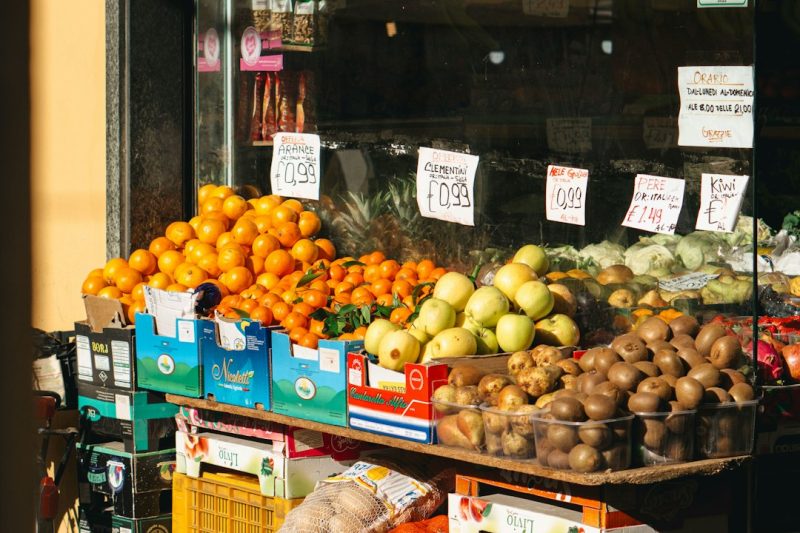
The market gardens on the lower slopes of Etna — where the volcanic soil, the irrigation from the mountain springs, and the specific microclimate produce vegetables of unusual quality — are the agricultural origin of the ingredients that give Catanese cooking its character. The eggplant, the tomatoes, the peppers, and the herbs grown in this zone have a flavour intensity that the same varieties grown in different conditions do not replicate. Visiting Catania’s fish and vegetable markets — particularly the Mercato della Pescheria in the historic centre, one of the great urban markets in Italy — and seeing the produce from these gardens alongside the extraordinary variety of Sicilian seafood gives the most direct sense of the raw material that pasta alla Norma and the broader Catanese table are built from.
Eating Pasta alla Norma in Catania
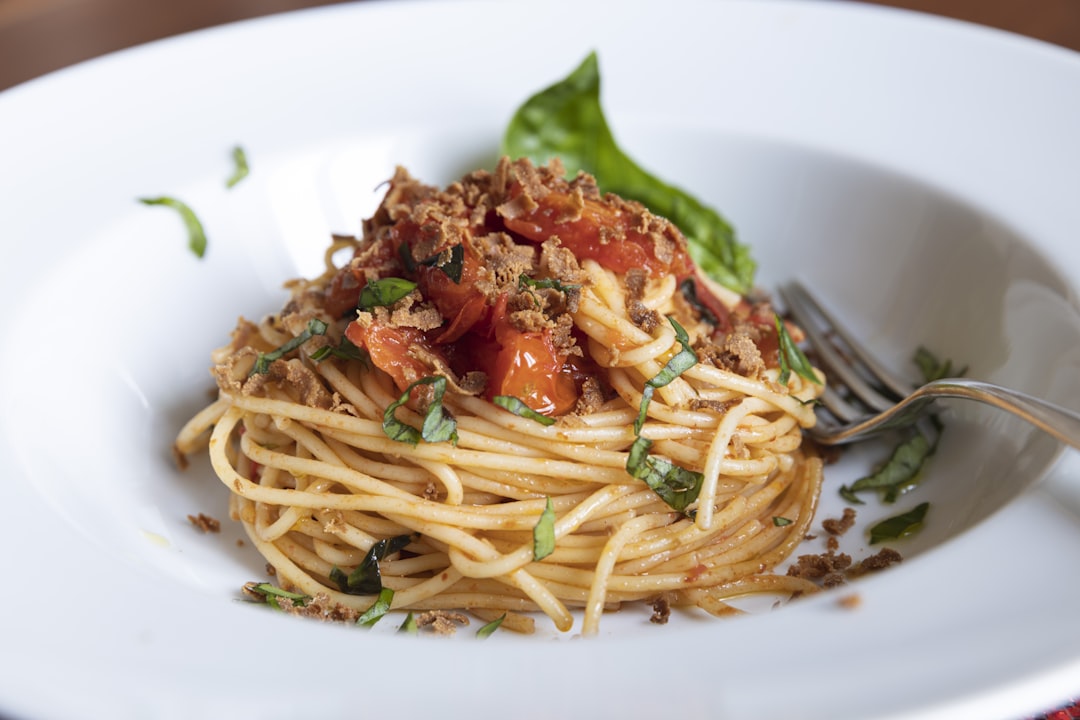
Pasta alla Norma appears on virtually every menu in Catania, but the quality varies substantially. The distinguishing factors are visible in the dish as served: the eggplant should be deeply coloured and crisp, not pale and soft; the sauce should be bright and slightly acidic, not dark and over-cooked; the ricotta salata should be freshly grated or shaved, not from a pre-grated industrial container; the pasta (typically rigatoni, though spaghetti and other formats appear in different versions) should be cooked to an appropriate resistance.
The best versions are found in the trattorie of the historic centre and in the restaurants around the fish market that take their ingredient sourcing seriously. Eating pasta alla Norma at a table in the historic centre in early evening, when the day visitors have thinned and the Catanesi are beginning their evening — the specific combination of the volcanic stone architecture of Catania’s baroque, the smell of the tomato sauce from the kitchen, the Etna silhouette visible in the direction of the setting sun — is as complete a sense of Sicilian place as the island offers. Expect to pay €12-18 for a plate of pasta in a good local restaurant.

Making Pasta alla Norma at Home
For 4 people: 400g rigatoni, 2 medium eggplants, 600g ripe plum tomatoes or good passata, 100g ricotta salata, 4 cloves garlic, generous bunch fresh basil, olive oil for frying (a light olive oil or a blend for the frying, your best extra virgin for finishing), salt.
Salt the eggplant (sliced into 2cm rounds or half-moons depending on preference) generously, press under a weighted plate for 30 minutes, then dry thoroughly with a cloth. Heat olive oil to 185°C in a deep pan and fry the eggplant in batches until deeply golden-brown. Drain on paper, salt lightly, and set aside.
For the sauce: heat olive oil in a wide pan, add garlic (sliced, not crushed) and a handful of torn basil. Add tomatoes (canned or passed fresh tomatoes), cook over medium-high heat for 12-15 minutes until the sauce has reduced and thickened but remains bright. Season with salt.
Cook pasta in generously salted water. Reserve a cup of cooking water. Drain 2 minutes before done, add to the sauce with a splash of cooking water, toss vigorously over high heat until the pasta is coated. Plate, top with fried eggplant, grate or shave ricotta salata generously over the top, add fresh basil. Finish with a thin pour of good olive oil.