Vermentino is a white grape variety that produces the most satisfying summer drinking wine of the Italian coast — not the deepest or the most complex white in the Italian repertoire, but the one whose combination of citrus aromas, saline mineral character, and refreshing acidity is most precisely calibrated to the Mediterranean landscape in which it has developed. It grows primarily in Sardinia and Liguria, with important plantings also in Tuscany’s coastal areas and on Corsica (where it is called Vermentino but is produced under French appellation law as Nielluccio’s white complement in Patrimonio and as the primary variety of Corsican white wines more broadly).
The debate about Vermentino’s origins — which the academic wine literature addresses with more heat than the resolution requires — is between those who believe it arrived in Sardinia via Spain (where a variety called Malvasia de Sitges or Vermentino may have been cultivated before the Spanish period in Sardinia, 1323-1720) and those who argue for a longer Sardinian or Ligurian presence. The historical question matters less than the current reality: Vermentino in Sardinia and in the Cinque Terre-Riviera zone of Liguria has evolved into a grape variety that produces wines with distinctly regional characters, different enough that Sardinian and Ligurian Vermentino are recognisably wines from different places even to a non-specialist palate.

Sardinian Vermentino: Two Denominations
Sardinia produces Vermentino under two denominations: the broader Vermentino di Sardegna DOC (covering the whole island) and the more prestigious Vermentino di Gallura DOCG (restricted to the granite zone of the northeast, around Tempio Pausania). The Gallura denomination, received its DOCG status in 1996, was the first in the island’s wine history and remains the reference point for the best Sardinian Vermentino.
The granitic soils of the Gallura — the same geological formation that produces the distinctive pink granite of the Costa Smeralda coastline and the boulder landscapes of the Aggius area — give the Vermentino di Gallura a specific mineral character that the sandy and limestone soils elsewhere on the island do not produce. The wines from the Gallura are typically more structured than those from the rest of Sardinia, with higher acidity, more pronounced mineral notes (a combination of iodine, flint, and a saline quality that seems to echo the proximity to the sea), and a capacity for some bottle ageing (2-4 years) that the lighter Vermentino di Sardegna rarely possesses.
The aromatics of Sardinian Vermentino are distinctive: white peach, citrus blossom, a bitter almond note in the finish, and a characteristic hint of Mediterranean herbs (the macchia that covers the Sardinian hills, including the same cistus, rosemary, and myrtle that the island’s cheeses and meats take on as flavour) that distinguishes it from the Ligurian version. The alcohol is typically higher than Ligurian Vermentino, reflecting both the warmer southern climate and the tradition of harvesting at full ripeness that the Sardinian winemaking culture favours.
Ligurian Vermentino: Pigato and the Cinque Terre Whites
In Liguria, the relationship between Vermentino and a variety called Pigato is the subject of ongoing genetic and sensory debate. DNA analysis suggests that Pigato and Vermentino are the same variety; Ligurian producers and consumers insist that wines produced from the two give distinctly different results, and that the Pigato of the Riviera Ligure di Ponente (the Savona and Imperia coastal areas west of Genoa) has a different character from the Vermentino produced elsewhere in Liguria.
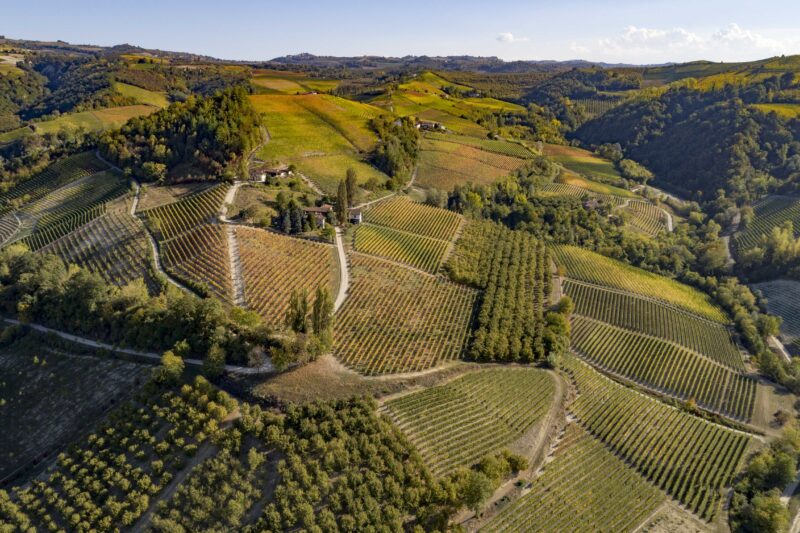
The Vermentino and Pigato of the Ligurian Riviera are produced in the same difficult conditions: the terraced vineyards carved into the steep Ligurian hillsides, with limited mechanisation possible and the harvest done almost entirely by hand, produce wines whose quality reflects the effort required to grow grapes in this landscape. The Ligurian versions are generally lighter, more delicate, and more aromatic than the Sardinian, with more pronounced floral notes (jasmine, acacia) and a more prominent citrus character (lemon, bergamot — the bergamot that flavours the Ligurian riviera kitchen appears as a detectable note in the wine of the same area).
The Cinque Terre DOC — the most internationally famous of the Ligurian coastal wine denominations, though not the most reliable in quality — produces a white wine from Bosco (the primary variety, specific to this area), Albarola, and Vermentino that expresses the extreme terroir of the terraced cliffs above the sea. The vineyards of the Cinque Terre, maintained by a small number of producers with heroic effort on slopes that in some cases exceed 45 degrees, are a cultural landscape of UNESCO recognition. The wine they produce — light, saline, with the specific floral aromatics of the Ligurian macchia — is best understood as a geographical expression rather than a technical achievement, and drinking it in a Cinque Terre village with the view of the terraced cliff vineyards in front of you provides a context that the same wine consumed elsewhere cannot replicate.
Vermentino in Tuscany: The Maremma Expression
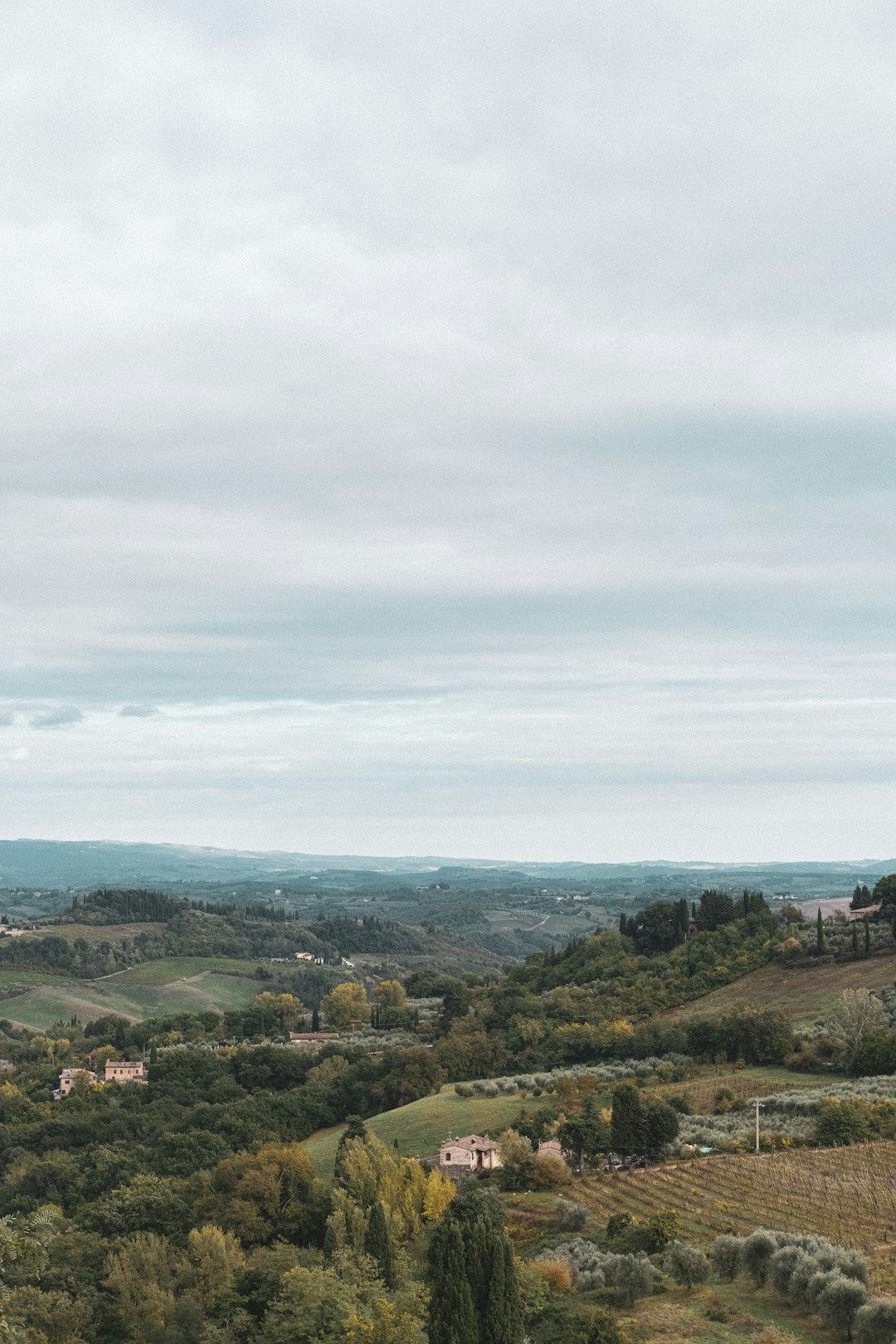
The coastal Maremma of Tuscany — the area between Grosseto and the sea, covering the hillsides of the Morellino di Scansano zone and the coast toward Monte Argentario — produces Vermentino under the Maremma Toscana DOC denomination. The Tuscan versions generally fall between the Sardinian and Ligurian in character: more aromatic and delicate than Sardinian Gallura but with more body and structure than the Cinque Terre whites.
The most interesting Tuscan Vermentino comes from the Bolgheri area — the stretch of coast between Livorno and Grosseto where the IGT wines of the Sassicaia estate first established the coast’s reputation and where the full range of Tuscan coastal white production now finds its most sophisticated expression. The combination of maritime influence, well-drained coastal soils, and the specific mesoclimate of the Bolgheri zone produces Vermentino with a concentration and mineral definition that distinguishes the best examples from the simple, pleasant, but unremarkable coastal whites that dominate the tourist restaurants of the area.
Drinking Vermentino: Context and Pairing
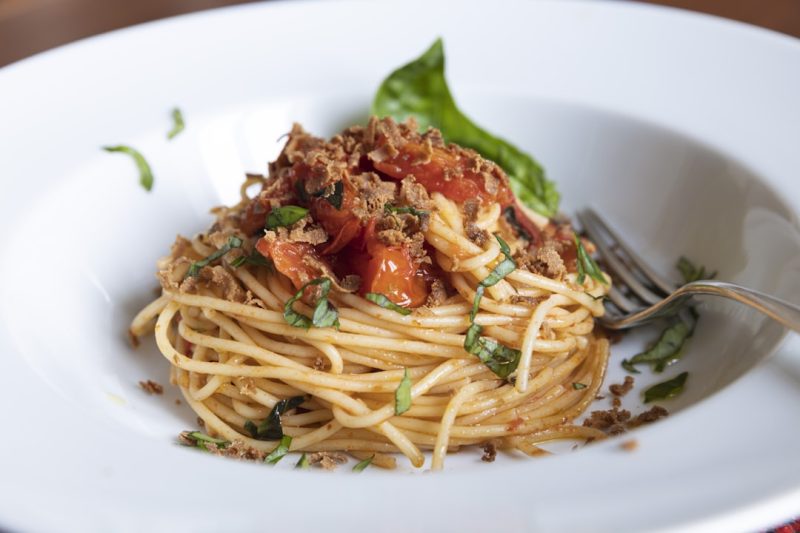
Vermentino is a wine that asks to be drunk with food and with sea in the background — metaphorical or literal. The pairing logic is straightforward: the saline mineral character and the citrus aromatics of the wine work with the full range of seafood and fish preparations of the Italian coast, from the simplest Ligurian pasta al pesto (where the bright acidity of the wine cuts the fattiness of the pine nuts and oil in the sauce) to the more elaborate Sardinian seafood dishes.
The temperature at which Vermentino is served matters more than for many Italian whites: too cold (below 8°C, as many tourist restaurants serve white wine) and the aromatics are suppressed and the wine tastes thin; at 10-12°C, the citrus and herbal aromatics open up and the mineral character becomes more present. The wine should not be kept too long in ice — removing it from the wine cooler for 10 minutes before the meal is appropriate.
Vermentino di Gallura Superiore — the wines from the best Gallura producers, aged for a few months on the fine lees and sometimes given brief exposure to large oak — can handle a wider range of food pairings than the basic version: grilled fish with olive oil and herbs, the bottarga (cured grey mullet roe) preparations of Sardinia (where shaved bottarga over pasta, dressed with good olive oil and citrus, is one of the classic food-wine pairings of the island), the various preparations of Sardinian shellfish.

Other Italian Coastal Whites Worth Knowing
Vermentino is the entry point to a broader family of Italian coastal white wines that share its general characteristics — saline minerality, aromatic freshness, food-pairing versatility — while expressing distinct regional characters.
Greco di Tufo DOCG, from the volcanic hills of Irpinia in Campania, produces whites of unusual depth and mineral complexity from the Greco variety grown on the tufa soils around Tufo. The wines are more structured than Vermentino, with higher acidity and a specific mineral character (the white peach and mineral notes of Greco are distinctive) that makes them among the most interesting southern Italian whites. Fiano di Avellino DOCG, from the same Campanian hills, produces whites of still greater aromatic complexity — the Fiano variety giving wines with hazelnut, honeyed notes, and a richness that allows the best examples to develop interestingly in bottle for 5-8 years.
Falanghina del Sannio DOC, produced in the hills around Benevento in Campania from the ancient Falanghina variety (one of the oldest documented grape varieties in the Italian south, possibly the wine of the ancient Romans), produces wines of characteristic citrus and mineral character at a price point that makes it one of the better everyday white wines in the Italian south. The combination of these Campanian whites with the seafood and fish preparations of the Neapolitan coast constitutes one of the most coherent regional food-and-wine pairings in Italy, demonstrating that the best pairings are almost always those that come from the same place as the ingredients.