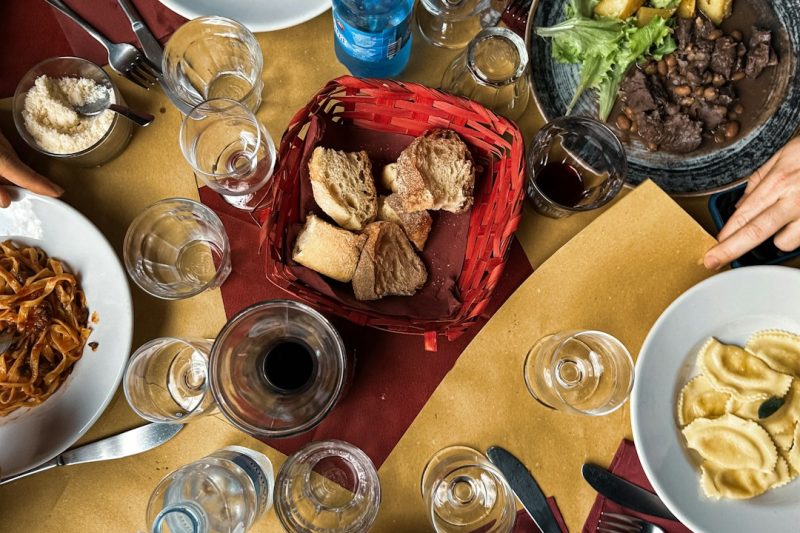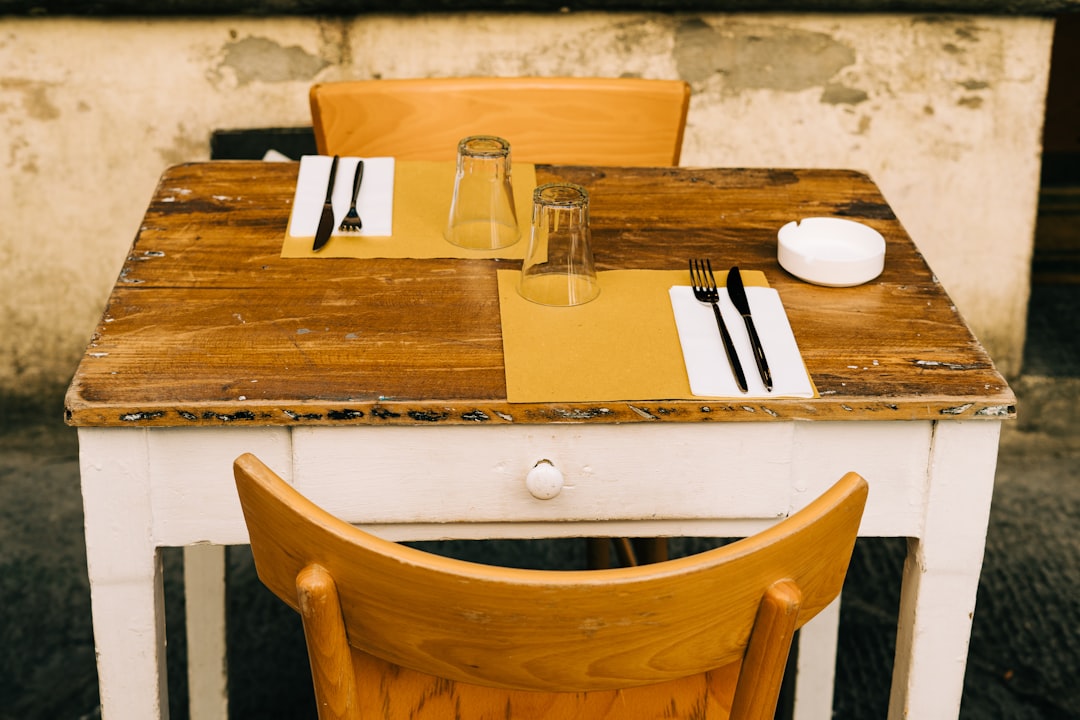
There is a category of Italian restaurant that exists at the precise intersection of tradition and excellence — establishments where nothing on the menu has changed in thirty years, where the owner is also the cook and the sommelier, where the table has a paper cloth and the wine list is handwritten in ballpoint pen, and where the food is so good that you find yourself counting the months until you can return. These places are disappearing. Finding them requires effort, local knowledge, and a willingness to drive down roads that no navigation system has charted. But they remain Italy’s most irreplaceable dining institutions.
The Langhe: Osterie Worth the Drive
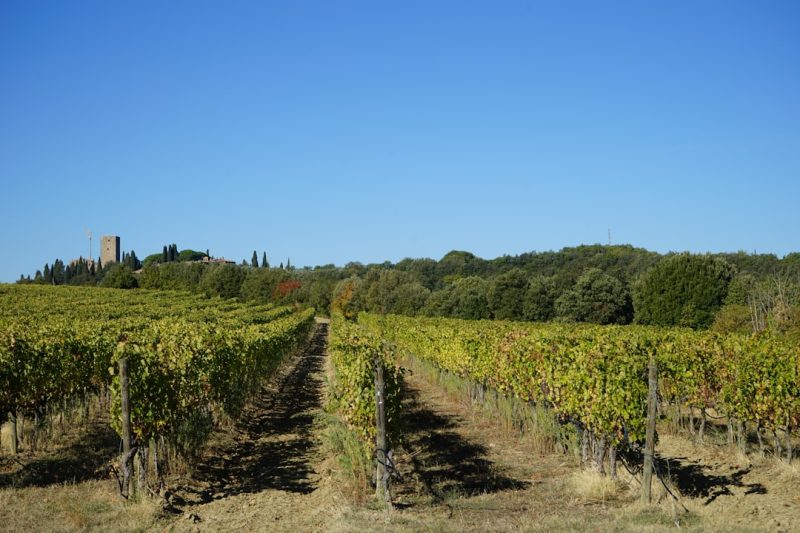
In the Langhe hills of Piedmont, the osterie of Barolo, La Morra, and Castiglione Falletto serve dishes that have evolved over centuries alongside the Nebbiolo grape. Tajarin — egg pasta cut to almost transparent thinness — with a meat ragù that has been simmering since morning. Veal tonnato, a preparation so counterintuitive (cold veal, tuna sauce) that it should not work and yet is one of the great achievements of the Italian kitchen. Plin: tiny, pinched pasta parcels filled with braised meat and herbs, served with sage butter so golden it approaches amber. The wine — often Barolo or Barbaresco — poured from bottles representing the work of farmers who have tended these vines for generations, costs a fraction of what it would in any city restaurant in the world.
Emilia-Romagna: The Gastronomic Heartland
In Emilia-Romagna — the region that has contributed more to Italian gastronomy than perhaps any other — the best dining happens not in Bologna’s famous restaurants but in the countryside. The tiny osterie of the Apennine foothills serve tigelle — small round breads cooked on stone and eaten with cured meats and squacquerone — followed by tortellini in brodo so perfectly executed that each little pasta parcel represents a lifetime of practice. The broth alone, long-simmered from local free-range chickens, is worth the journey from wherever you started.
Rome’s trattorias in the Testaccio neighbourhood, built over the ancient slaughterhouses, maintain a carnivorous tradition that has defined the city’s cucina povera for two centuries. Coda alla vaccinara — oxtail braised with cocoa and pine nuts in a sauce of extraordinary complexity. Trippa alla Romana, cooked with tomato, mint, and pecorino. Rigatoni con la pajata, pasta with the intestines of milk-fed veal: a dish that Romans of a certain generation eat with the devotion of a religious observance. These are not dishes for the food trend-follower. They are for anyone who wants to understand how a city eats when no one is watching.
The search for Italy’s extraordinary tables is itself one of the pleasures of travel here. Ask your hotel owner where they eat on their day off. Stop in village squares and note which bar has the most local customers at lunchtime. Pick up the Slow Food Osterie d’Italia guide and follow its recommendations into the countryside. And read up on how Italian restaurants actually work before you arrive, because understanding the codes — the sequence of a meal, the difference between a ristorante and an osteria — makes every table better.