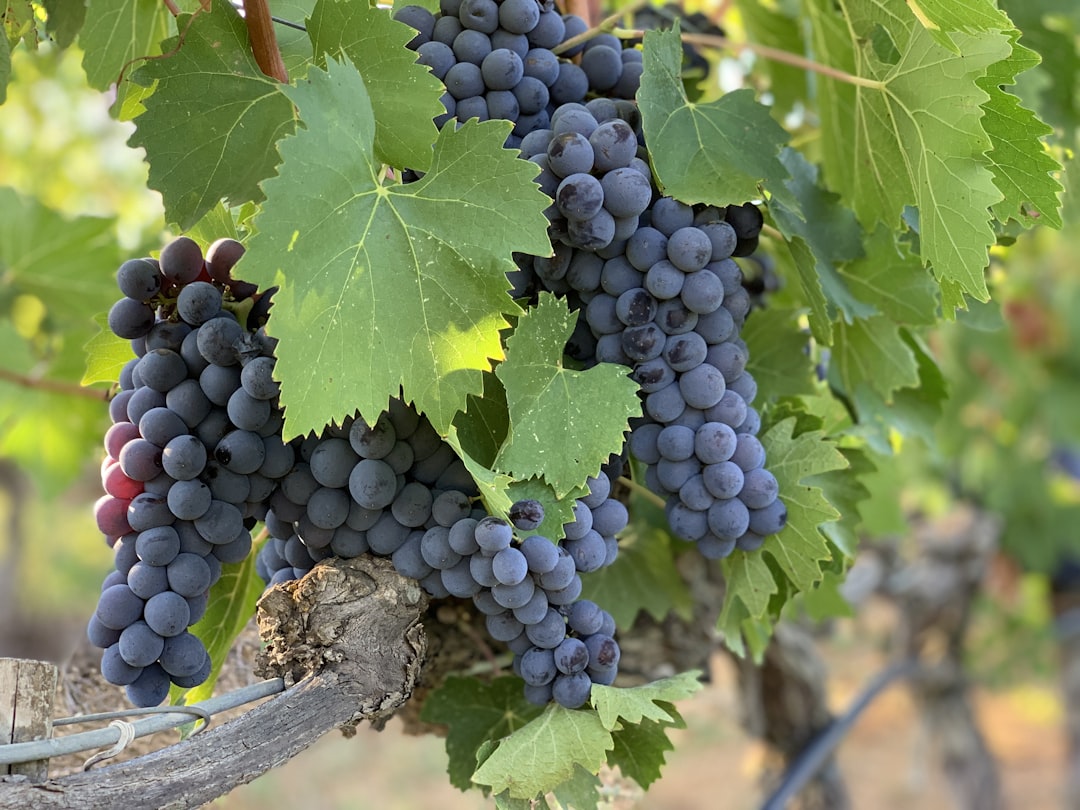
Brunello di Montalcino is made from a single grape variety — Sangiovese Grosso, known locally as Brunello — in a zone that occupies the hills around the town of Montalcino in the province of Siena, and it is one of the two or three wines that any honest discussion of the greatest Italian reds must include. The Italian wine was effectively invented in its current form by a single family — the Biondi Santi — in the second half of the 19th century, when Ferruccio Biondi Santi identified a specific Sangiovese clone growing on his estate (the Greppo) that, with long maceration and extended oak ageing, produced wines of unusual depth, colour, and longevity. The wines he made in 1888 and 1891 were still being served in the 1960s at dinners that became defining moments in the Italian wine discussion, confirming that Brunello di Montalcino was capable of ageing on a timeline comparable to the greatest wines of Bordeaux and Burgundy.
That demonstration of longevity — wines of 70 and 80 years still in good condition, still developing in the glass — established the wine’s identity and the expectation that has shaped Brunello production ever since. The wine is not made for immediate consumption. It is made for time, for cellaring, for the patience required to allow the hard tannins and the high acidity of the young wine to integrate into the complexity that ten, fifteen, or twenty years of bottle ageing produces. The producers who have remained faithful to this long-term vision have consistently produced the most interesting Brunello; those who have chased early-drinking accessibility at the expense of structure have produced wines that are pleasant in their youth and unremarkable thereafter.
The Montalcino Zone: Terroir and Geography
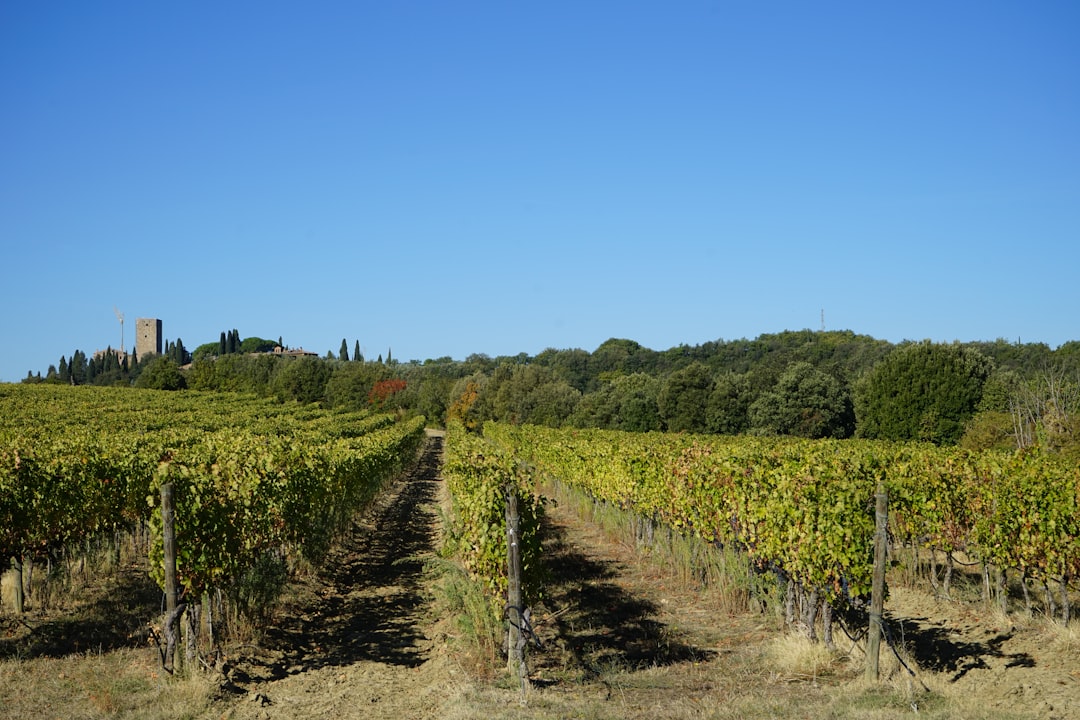
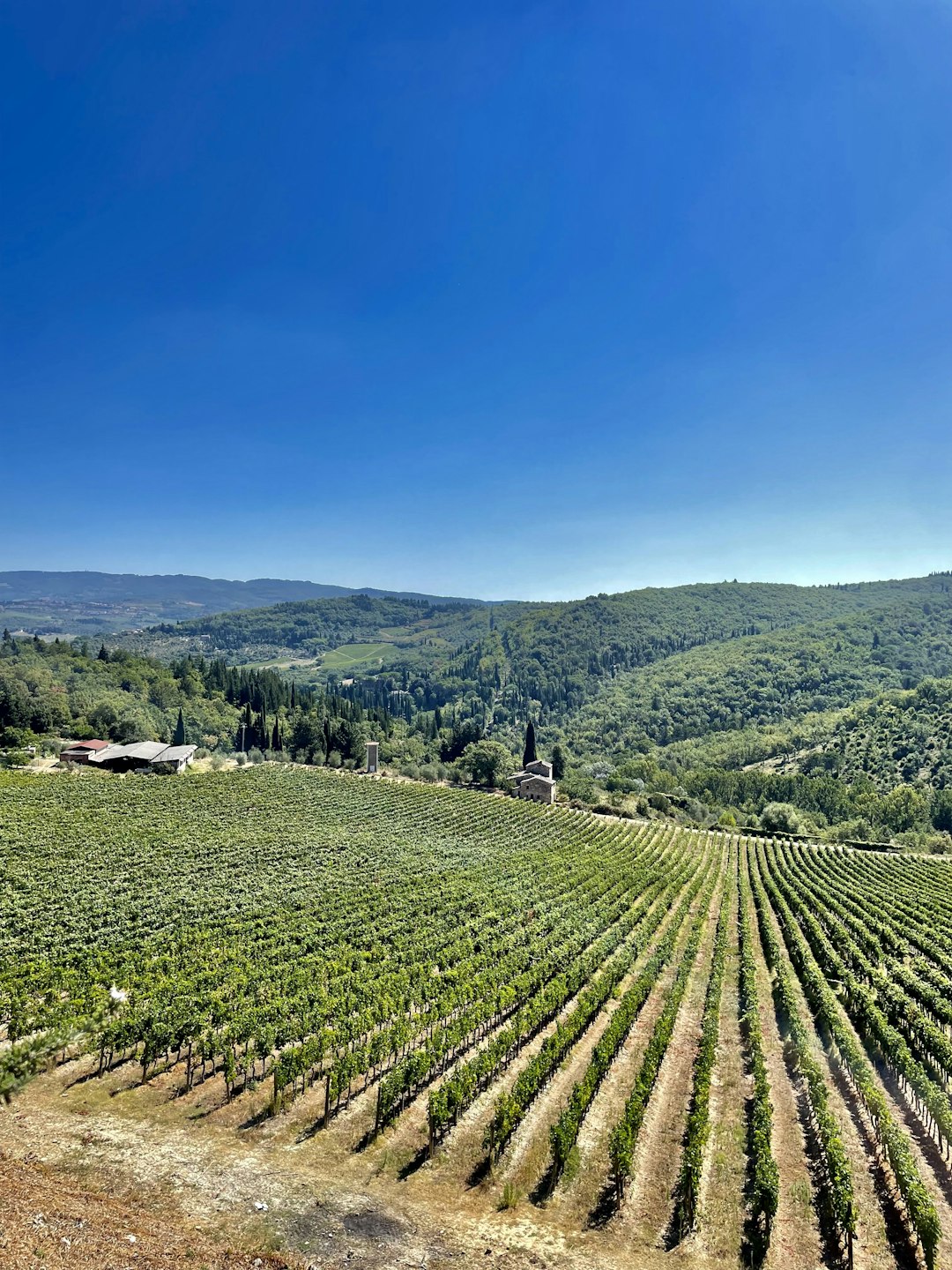
Montalcino is a medieval hilltop town south of Siena, surrounded by the Crete Senesi — the chalk and clay hills of the Siena province that give the landscape its distinctive pale, rolling character. The hill on which Montalcino sits rises to approximately 600 metres above sea level, and the vineyards of the Brunello zone are distributed across the slopes of this hill at altitudes ranging from 120 metres in the valley to 600 metres at the highest plantings.
The altitude variation within the zone produces wines of different character, and the ongoing debate about which sectors of the zone produce the finest Brunello follows a geography that Barolo producers would recognise from their own arguments about Serralunga versus La Morra. The northern sectors (the Montosoli, the high slopes facing toward Siena) are generally associated with wines of greater finesse and aromatic complexity; the southern sectors (the Castelnuovo dell’Abate area, the slopes toward the Maremma) with wines of greater richness and concentration. Both produce outstanding Brunello when managed well; neither is categorically superior.
The soil of Montalcino is predominantly galestro — a friable, well-drained limestone and schist mixture — and alberese, a compact clay-limestone. The galestro soils are associated with more elegant, aromatic Brunello; the alberese with more structured, tannic wines. These distinctions, like all terroir descriptions, are tendencies rather than absolutes, and the best producers make wines that reflect their specific plots rather than textbook soil descriptions.
The Regulations: Tradition Encoded in Law
The Brunello di Montalcino DOCG regulations are among the most restrictive in Italian wine law, and they are restrictive for good reason: they encode the production conditions that have been found, through 150 years of experience, to produce wines of the specific character that makes Brunello worth its price and reputation.
The regulations require: 100% Sangiovese (no other varieties permitted — an unusual restriction for Italian wine law, which typically allows blending); a minimum of five years ageing from harvest before release for standard Brunello, six years for Riserva (with at least two years in oak); maximum yields of 52 hectolitres per hectare (lower than many comparable Italian denominations); minimum alcohol of 12.5% (which Sangiovese at Montalcino’s altitudes achieves without difficulty in normal vintages).
The oak ageing requirement has been a point of argument: the original regulations required Slavonian oak casks (the large format botti of the Biondi Santi tradition), and some producers have moved to smaller French oak barriques or a combination of the two. The argument between those who prefer the slower, gentler ageing in large Slavonian botti and those who favour the more concentrated effect of small French oak parallels the Barolo Wars in structure, though the Brunello debate has been less publicly acrimonious. The best wines from both camps are excellent; the stylistic difference is real and detectable.
Rosso di Montalcino: The Accessible Entry Point
The Rosso di Montalcino DOC — produced from the same Sangiovese in the same zone as Brunello, but with shorter ageing requirements and typically from younger vines or declassified fruit — provides an accessible introduction to the flavour profile of the zone at a fraction of the Brunello price. The best Rosso di Montalcino from serious producers (those who use it to represent their terroir rather than simply as a declassified product) is a genuinely good wine that shows the bright cherry fruit, the firm acidity, and the structural clarity of Montalcino Sangiovese before the longer ageing adds the tertiary complexity of the Brunello.
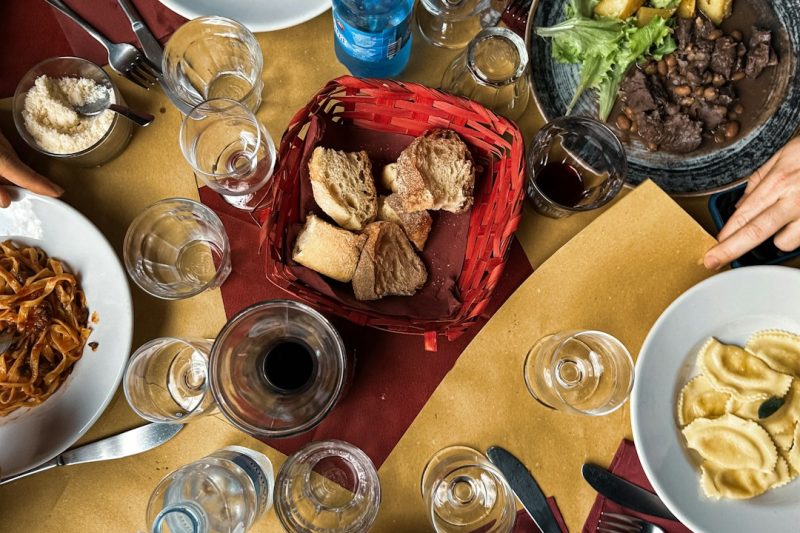
The Rosso is also the practical wine for drinking with the food of the Sienese table — the pici pasta (a thick, hand-rolled spaghetti specific to the Siena province), the wild boar preparations, the grilled Chianina beef that the Valdiciana produces — where the concentration and tannic weight of a young Brunello would overwhelm rather than complement the food. A well-made Rosso di Montalcino at four or five years from vintage is one of the more satisfying value propositions in Tuscan wine.
The Producers: Tradition and New Voices
The Brunello producer list spans from the historic estates that created the denomination to the new voices that have emerged since the 1980s and 1990s, when the international success of Brunello attracted investment and talent to the zone.
The historic estates — Biondi Santi (whose Il Greppo remains the canonical expression of traditional Brunello), Barbi, Costanti, Pertimali (now Livio Sassetti) — represent the continuity of the traditional approach, with wines that require the patience their regulations demand. The newer generation of high-quality producers — Soldera (whose Case Basse wines became legends before the estate’s catastrophic sabotage incident in 2012), Cerbaiona, Pian dell’Orino, Il Paradiso di Manfredi — work with similar dedication to specific sites and natural winemaking approaches that have added new reference points to the Brunello canon.
The volume producers — those making Brunello in quantities that require sourcing from throughout the zone and blending across multiple sites — are not necessarily inferior in quality (some of the best-known names in Brunello fall into this category), but their wines typically express the character of the denomination rather than the specific character of a single site, which is where the most interesting Brunello expression lies.
The Brunello Scandals: Brunellogate
The Brunello zone was the subject of an investigative scandal in 2008 — the “Brunellopoli” or “Brunellogate” affair — in which a group of producers were alleged to have added international varieties (Merlot, Cabernet Sauvignon, Syrah) to their Brunello in violation of the 100% Sangiovese requirement. The affair resulted in investigations, withdrawals of wines from the market, and a significant reputational impact on the denomination, though the producers who had remained faithful to the regulations were unaffected in terms of wine quality and quickly benefited from the renewed attention to traditional production methods.
The scandal’s most useful legacy was a strengthened commitment to transparency in production documentation and a clearer consumer awareness of which producers were working in the traditional manner. The wines produced in strict compliance with the regulations and the spirit of the denomination have been consistently rewarded by the market since then, and the zone’s reputation, after a period of difficulty, has returned to its pre-scandal level.
Visiting Montalcino
Montalcino is a compact hilltop town with a medieval centre, a 14th-century fortress (the Rocca), and a Piazza del Popolo that functions as the social centre in the Italian manner. The fortress houses an enoteca with a comprehensive selection of the zone’s wines available for tasting and purchase — a useful introduction to the range of Brunello before committing to cellar visits with individual producers. The town has a good selection of restaurants, and the combination of the Sienese culinary tradition with the local Brunello and Rosso di Montalcino gives the dining experience a specific quality that the wine towns of the Langhe match but that few others do.
Montalcino is approximately 40 km south of Siena (approximately 45 minutes by car). It is accessible from Siena by bus (infrequent service), but a car is necessary for exploring the estates distributed throughout the zone. The best approach to the zone is to spend two nights in the town, visit two or three producers by appointment, eat at the local restaurants, and use the time to understand the landscape that the wine comes from before or after tasting it.