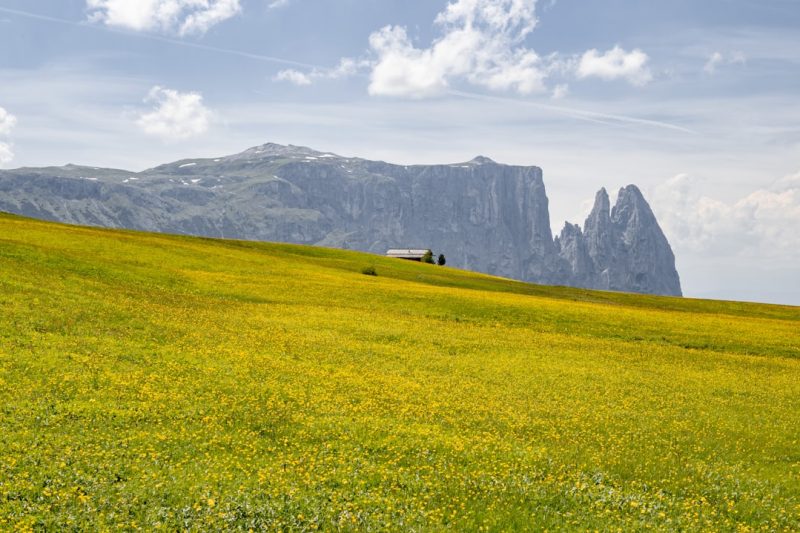
Umbria’s nickname — il cuore verde d’Italia, the green heart of Italy — describes something real about the landscape while leaving the most important things unsaid. The greenness is genuine: the region’s forests cover a higher proportion of its territory than any other in the country, the hills roll in a way that is uninterrupted by significant coastal or lowland areas, and the spring and early summer colour of the land has a quality that photographers come from across Europe to attempt to capture. But the heart of the name suggests something about centrality and character that the landscape qualifier misses entirely.
Umbria sits at the geographical centre of the Italian peninsula, surrounded on all sides by other regions and lacking the obvious identifying feature of a coastline or a single overwhelming famous landmark. This absence of a single defining hook has, paradoxically, given the region a kind of profile diffusion that works in its favour for the traveller who is not following a curated itinerary. Tuscany has Siena and San Gimignano and Chianti. Umbria has Perugia and Assisi and Spoleto and Gubbio and Orvieto — all of them excellent, none of them the only reason to go, all of them embedded in a landscape of olive groves, forest, and hilltop villages that constitutes the actual experience of being in the region.

The Silence as a Resource
Umbria’s most distinctive offering is something that becomes apparent only after arrival: a level of quietude that is genuinely rare in central Italy. The region does not have the tourist numbers of Tuscany. The smaller hill towns that would be destinations in their own right if located in Chianti — Bevagna, Montefalco, Spello, Trevi, Montone — are navigable without the crowd management that equivalent Tuscan towns require. The roads between them, moving through land that the Romans surveyed and cultivated two millennia ago and that has been farmed, more or less continuously, ever since, have a quality of rural permanence that the more trafficked routes of Tuscany have partially surrendered.
This silence is not vacancy. The region has a density of population in its major centres and a food and agricultural economy that functions independently of tourism. Perugia is a university city with a serious cultural life; the chocolate industry based there has a history and international presence that is entirely about quality production rather than tourist sales. The smaller towns have their markets, their patron saint celebrations, their seasonal rhythms of olive harvest and truffle season that operate regardless of visitor numbers.
The Olive Oil: Umbria’s Liquid Gold
The olive oil produced in Umbria — particularly in the DOP zones of the Colli Assisi-Spoleto and Colli Martani — is among the finest in Italy and, unlike the Tuscan equivalent, is consistently available at prices that reflect production cost rather than premium positioning. The Umbrian variety — primarily Moraiolo, Frantoio, and Leccino cultivars — produces oil with a characteristic green-gold colour, pronounced fruitiness, and a pronounced peppery finish that indicates high polyphenol content and genuine freshness.
The olive harvest in Umbria runs from late October to early December, depending on altitude and year. It is still largely done by hand — nets spread under the trees, the olives stripped from branches by hand or by small rakes — and visiting a working grove during the harvest is an experience that connects the landscape to its agricultural function in a way that pure scenic appreciation does not. The oil pressed immediately after harvest — olio nuovo — has a particular intensity and freshness that lasts only a few weeks before the more muted character of the bottled product asserts itself. Finding it at a local mill or agricultural cooperative during the harvest period is one of the genuine seasonal pleasures the region offers.
The Truffle Country
Umbria contains some of the most productive truffle territory in Italy, particularly for the Tuber melanosporum — the black Perigord truffle — in the Valnerina around Norcia and Spoleto, and for the summer truffle (Tuber aestivum) throughout the hill country. The white truffle (Tuber magnatum pico) also grows here, though in smaller quantities than in Piedmont and at lower prices. The truffle season for the black truffle runs from December to March, with the best material typically found in January and February when the cold has concentrated the aroma. The summer truffle, less intense but available from June to September, gives the hill town restaurants a truffle option across much of the year.
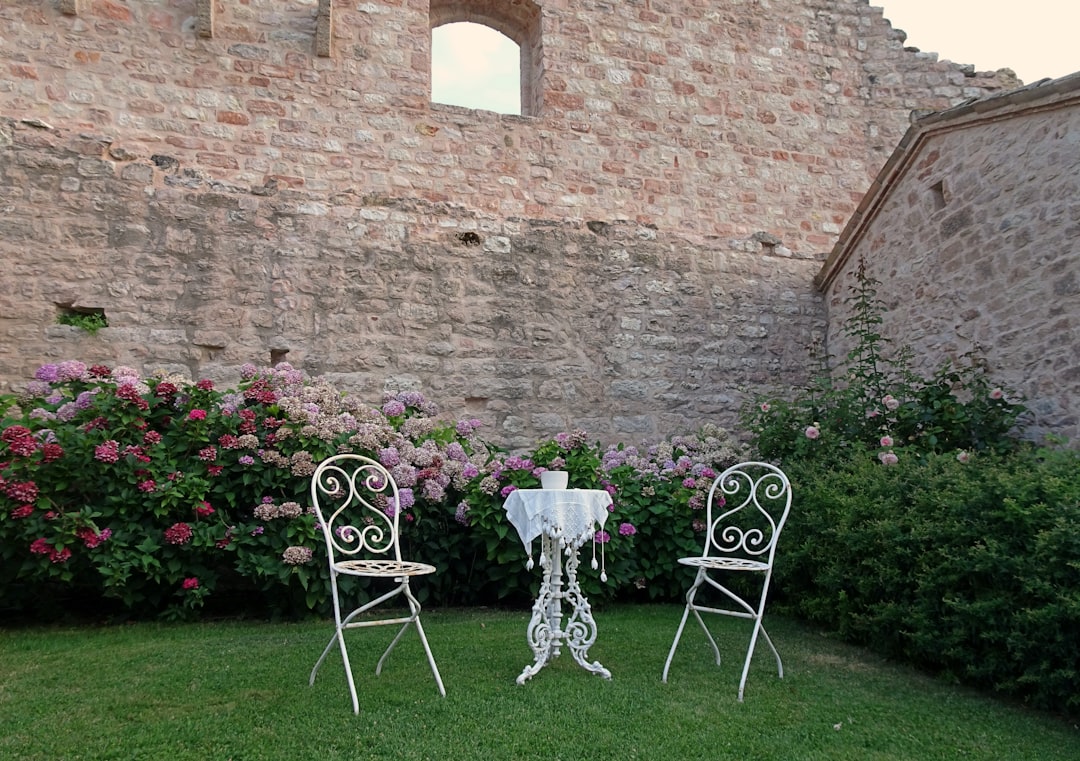
The town of Norcia is the truffle capital in the popular imagination — it is also the source of one of the finest cured meat traditions in Italy, including the norcineria tradition of pork butchery that has given the word “norcino” to the Italian language as the general term for a skilled sausage and salami maker. The 2016 earthquake that struck the Valnerina severely damaged Norcia and the surrounding villages. Reconstruction is ongoing and the town is functioning, but some of the most characteristic buildings are still in the process of restoration. Visiting in this moment is not a compromised experience — it is an encounter with a community in the process of rebuilding something that matters to them.
The Major Towns
Assisi’s pilgrimage character — the town receives millions of visitors annually, most of them coming for the Basilica of Saint Francis — gives it a specific atmosphere that is neither purely tourist nor purely local but something in between: a town organised around a spiritual destination, with the commercial layer that implies and the occasional moments of genuine devotion visible among the programmed tourism. The frescoes in the basilica — attributed to Giotto and Cimabue among others — are among the most important in Italian art history and are better preserved than their equivalents in most other locations. The queue management system is professional and the visits are timed to prevent overcrowding. Outside the basilica, Assisi has a medieval centre of genuine quality that rewards exploration independently of its famous building.
Perugia, the regional capital, offers a different kind of engagement: a city with its own complexity, its university bringing contemporary life to medieval bones, its Etruscan foundations visible in the massive walls that predate Rome, its National Gallery of Umbria containing works by Perugino and Pinturicchio and Piero della Francesca. The Corso Vannucci that runs through the old centre functions as the principal passeggiata route and the focus of the bar culture that makes an evening in Perugia significantly more interesting than a night in a smaller hill town.
Spoleto in June and July hosts the Festival dei Due Mondi — a performing arts festival of international standing that brings theatre, music, and dance to a medieval hilltop town in a combination that is difficult to replicate anywhere else in Italy. The rest of the year, Spoleto is a quieter but architecturally exceptional place, with the Ponte delle Torri — a medieval aqueduct bridge spanning a gorge south of the town — providing one of the most dramatic single views in Umbria.
The Food: Understated Excellence
Umbrian cooking does not perform. It does not make claims about itself, it does not arrive with elaborate presentations, and it does not participate in the kind of culinary tourism promotion that has made Emilia-Romagna or Piedmont famous for food internationally. What it does is deliver, with considerable consistency, the results of a long tradition of cooking that emphasises the quality of raw ingredients, the patience of slow preparation, and the restraint that knows when to stop.
The cured meats of the Valnerina — pork in all its preserved forms, from the simple dried ham to the more complex norcineria preparations — are the backbone of the antipasto tradition. The pasta tradition centres on strangozzi (a dense, chewy pasta made without eggs, dressed simply with truffle or meat sauce) and umbricelli (similar to bigoli, a thick spaghetti-like pasta from hand-rolled dough). The bean tradition — the Castelluccio di Norcia lentils, among the finest in Europe for flavour and texture — appears in soups and stews that are particularly appropriate to the highland climate of the interior.

The wine of Umbria is best known through Orvieto — the crisp, neutral white from the volcanic tufa on which the town sits — and through Sagrantino di Montefalco, a red of exceptional structure and longevity made from a variety found nowhere else in the world. Sagrantino has the highest polyphenol content of any Italian red grape and produces wines that require significant ageing to become approachable but that, at maturity, offer a combination of power and complexity that ranks with the finest in Italy. The Montefalco production zone is small, and visiting the town and its surrounding vineyards gives access to wines that are difficult to find outside specialist wine shops even in the major Italian cities.
Expect to spend €15-28 per person for a full meal with wine in a mid-range establishment. The smaller hill towns tend toward the lower end of this range; Perugia and Assisi, with their higher visitor volumes, toward the higher.
Getting There and Practical Matters
Umbria is well connected by rail — the main Florence-Rome line passes through the Tiber valley, with connections to Perugia via the FCU regional line. Direct trains from Rome to Perugia take approximately two hours and twenty minutes; from Florence somewhat less. Assisi has its own station on the main line. Within the region, a car provides significantly better access to the smaller towns and the olive and truffle country, but the main visitor circuit (Perugia, Assisi, Spoleto, Orvieto) is manageable by public transport with careful planning.
When to Come
Spring (April and May) and autumn (October and November) are the optimal periods for most visitors. The olive harvest in October-November gives the landscape and the local markets a particular energy. The truffle season in winter (December-March) draws food enthusiasts. Summer is warm and popular, particularly around the Spoleto festival dates, but the higher hill towns provide relief from the heat of the valleys. Christmas and the period around the Feast of Sant’Ubaldo in Gubbio (May) are the most important local celebration dates for visitors interested in traditional festivals.