The Dolomites have a summer reputation that is partially obscured by their fame as a winter ski destination. The same peaks that in winter define some of Europe’s most prestigious ski terrain become, between June and October, a landscape for walking that has no direct equivalent elsewhere in the Alps: dramatic in a way that depends on vertical limestone faces rather than glacial ice, accessible at a range of difficulty levels that makes genuine alpine experience available without technical mountaineering, and connected by a network of rifugi — mountain huts — that function as social spaces where the culture of the mountains reveals itself most directly.
The three-day premise of this guide — not a ski pass, but plenty to fill three days — understates the potential of the Dolomites in summer: a week here would be insufficient to exhaust what is available. The aim is to identify what makes three days of genuine engagement with this landscape possible and rewarding for visitors who are not mountaineers and who are arriving without ski equipment but with proper walking boots and a reasonable level of fitness.
Understanding the Landscape
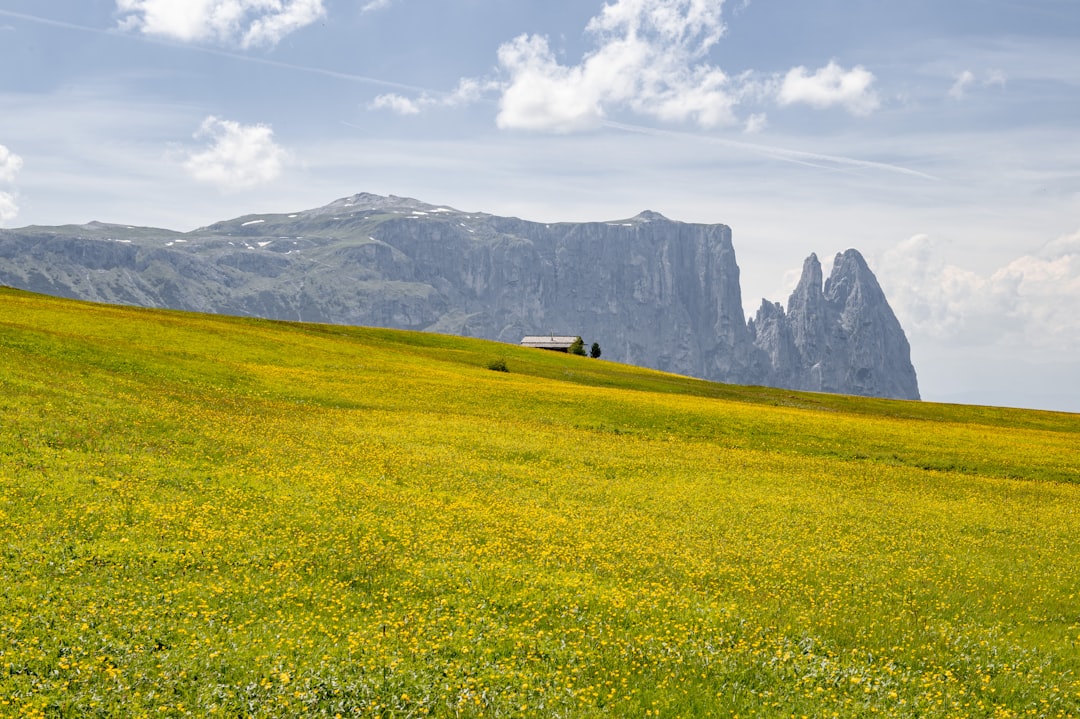
The Dolomites were formed from ancient coral reefs — the calcium carbonate that built those reefs over millions of years was compressed, uplifted, and eroded into the distinctive vertical towers, faces, and ridges that characterise the range. The rock is pale — almost white in certain lights — and contrasts with the green of the lower meadows and the dark green of the conifer forests in a way that produces the quality of almost artificial drama that has made the Dolomites a subject for painters, photographers, and landscape writers since the first Alpine tourists arrived in the 19th century.
The Dolomites UNESCO World Heritage Site, inscribed in 2009, covers nine separate systems of peaks distributed across three provinces — Trentino, Bolzano (Alto Adige/South Tyrol), and Belluno (Veneto). The most famous individual groups — the Tre Cime di Lavaredo, the Odle above Val Gardena, the Cinque Torri above Cortina, the Marmolada (the glacier-topped queen of the Dolomites) — are distributed across this area, and visiting all of them in three days requires a car and a commitment to driving that cuts into the time available for being in the landscape rather than moving through it.
Day One: Arrival and Orientation from Cortina
Cortina d’Ampezzo is the most famous town in the Dolomites and serves as the main visitor hub for the Ampezzo Dolomites in the northeast of the range. It is a resort town — the facilities, the shopping, the restaurant prices reflect this — but its position, surrounded on all sides by peaks of extraordinary scale, makes it one of the most visually powerful bases in the range. The Dolomiti Bus network and a series of cable cars make it possible to gain significant elevation without walking, which is the correct approach on the first day when the body is adjusting to altitude and the mind is still processing the visual.
The Faloria cable car ascends to 2,123 metres and opens a plateau of easy walking from which the views take in Cortina below, the Cristallo massif to the north, and the Marmarole range to the east. The walking from Faloria to the Lago di Ciadin — approximately two hours round trip on an easy path — covers genuinely alpine terrain at high altitude with no significant technical difficulty. The return to Cortina by cable car closes a satisfying first day.
Evening in Cortina
Cortina’s Corso Italia is the place where the passeggiata happens in the late afternoon — a pedestrianised street with a concentration of bars, restaurants, and the kind of mountain luxury retail that reflects the town’s long history as a destination for wealthy Italians and European visitors. Eating well here requires choosing slightly away from the main tourist circuit — expect to spend €30-50 per person for a full dinner with local wine at a mid-range establishment. The food tradition is a combination of Venetian (Cortina is in the Belluno province of the Veneto) and Tyrolean influences, with a particular emphasis on game, aged cheeses, and polenta preparations.
Day Two: Tre Cime di Lavaredo
The Tre Cime di Lavaredo — three limestone towers rising to approximately 2,999 metres — are the defining visual symbol of the Dolomites and the single most walked destination in the range. The circuit path around the base of the three towers, approximately 10 kilometres with modest elevation gain, is classified as an easy mountain walk and rewards the effort with views of the towers from every angle, including the north face — the most dramatic side, shaded and dark against the sky — that the usual approach from the south does not reveal.
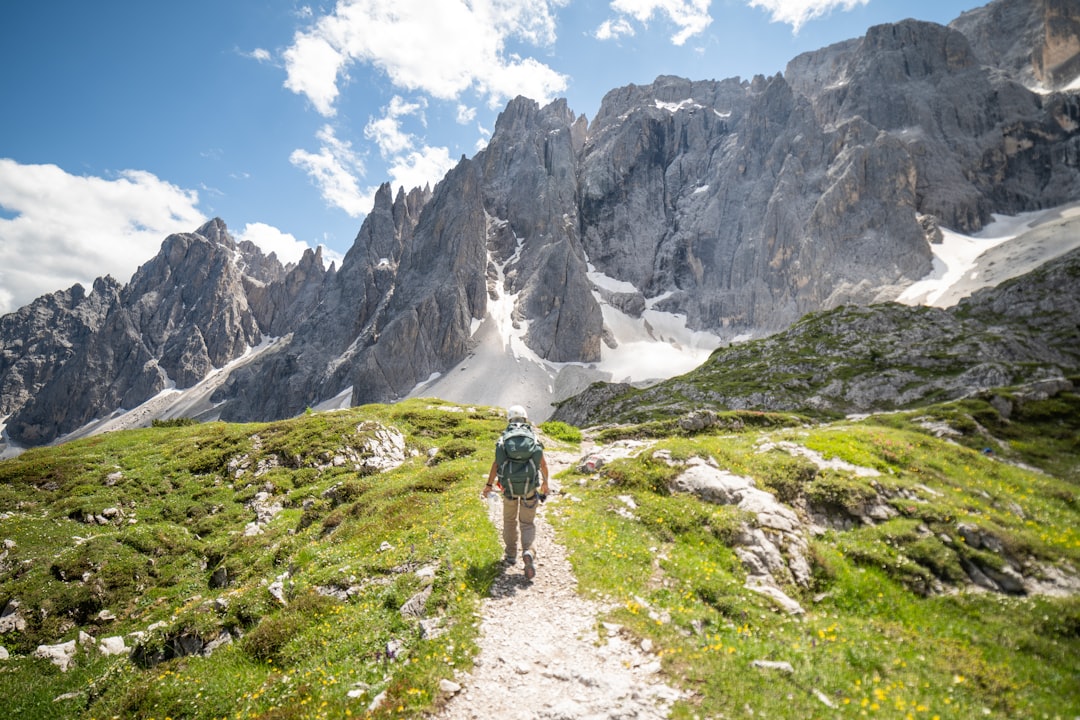
The approach to the Tre Cime from the Auronzo side involves a toll road that charges for access to the rifugio at 2,320 metres (approximately €30 per car in season). From the rifugio, the circuit is on foot and takes three to four hours at a comfortable pace. The alternative approach from Dobbiaco via the Fischleintal valley (from the north, in Alto Adige) is longer and less busy — adding two or three hours to the day but allowing an ascent that encounters significantly fewer people than the road approach from the south.
Crowds at the Tre Cime in peak summer (July-August) are significant. The most effective strategy is to arrive at the rifugio by 7:00 or 7:30 in the morning, complete the circuit before the peak influx of mid-morning, and descend before noon. The dawn light on the towers, in the first hour after sunrise, is the best photographic condition and the quietest walking period.
Day Three: Val Gardena and the Odle Group
Val Gardena — the valley running south from Bolzano through Ortisei, Santa Cristina, and Selva — is the most densely developed of the Dolomite valleys in terms of tourist infrastructure and the most linguistically interesting: the valley population speaks Ladin, a Rhaeto-Romance language distinct from both Italian and German, and the three villages maintain a cultural identity that is genuinely different from the surrounding Alpine context. The woodcarving tradition here — producing religious figures, animals, and decorative objects — has been practised for centuries and the quality of the best contemporary work continues that tradition with craft integrity rather than tourist compromise.
The Odle group — the jagged ridge of towers above the Funes valley, visible in dramatic profile from Selva and from the high paths above the valley floor — provides the day’s primary landscape encounter. The Seceda cable car from Ortisei (or from Santa Cristina, a shorter option) ascends to a high plateau from which the Odle towers are visible at their most dramatically backlighted in the morning. The path along the Seceda ridge toward the Geisler Alm takes approximately two to three hours one way and covers terrain with consistently spectacular views without requiring technical mountaineering skills.
The Rifugio Culture
The rifugi — mountain huts — that punctuate the Dolomite paths are part of the experience rather than simply an amenity. At their best, they provide a warm, solid room, a meal that reflects the food culture of the surrounding valley, and a social space where walkers from different backgrounds converge on the shared experience of altitude and landscape. The Dolomite rifugi range from very basic to surprisingly comfortable; booking in advance is advisable for overnight stays, particularly in July and August. A lunch stop at a rifugio — typically a plate of pasta, a bowl of soup, or a plate of local cheese and speck with bread — costs €12-20 per person and provides calories for the return journey.
Practical Information
The Dolomites are accessible by car from Venice (approximately 2 hours to Cortina), Verona (2.5 hours), or Innsbruck (1.5 hours to the Bolzano area). Public transport exists but is limited in scope for independent exploration of multiple areas in three days. Summer bus services connect the main valley towns and the most popular hiking starting points, but a car provides significantly greater flexibility.
Accommodation ranges from private rooms in mountain farms (masi) — often the best value-for-quality option, typically €50-90 per room with breakfast — to mid-range hotels in the valley towns at €80-150, and the resort hotels in Cortina at considerably more. Booking accommodation in advance for July and August is essential; May-June and September offer both better availability and more favourable pricing.
Equipment: proper walking boots are non-negotiable for any walking above the valley floor. The paths are generally well maintained and waymarked but can involve loose rock, steep gradients, and — above 2,000 metres — conditions that change rapidly with weather. A lightweight waterproof layer is essential even in summer; afternoon thunderstorms are common in July and August and develop quickly. Starting walks early and descending before early afternoon is the correct approach to managing this risk.