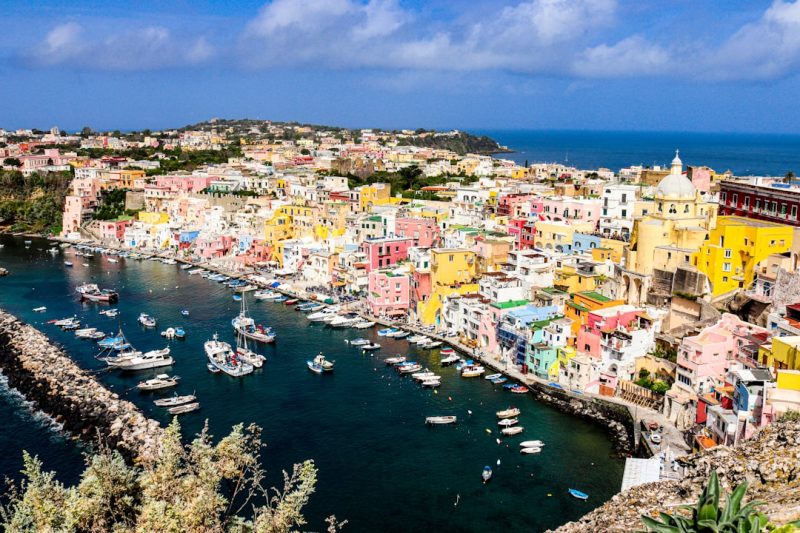
The hydrofoil from Termoli on the Molise coast takes forty minutes to reach San Domino, the largest of the Tremiti Islands. There is no bridge, no causeway, no regular car ferry — to reach the Tremiti, you take a boat. The island system, which consists of five outcrops in the central Adriatic forty kilometres north of the Gargano peninsula of Puglia, is not on the way to anywhere. It requires a specific decision to go there and back. This inconvenience is, for the visitor who makes it, the principal advantage: the islands do not have the casual day-trip traffic of the Aeolian islands or the scheduled tourist circuits of Capri and the Amalfi coast. They receive approximately 70,000 visitors per year, a number that the most popular single beaches in Italy exceed in a single August weekend.
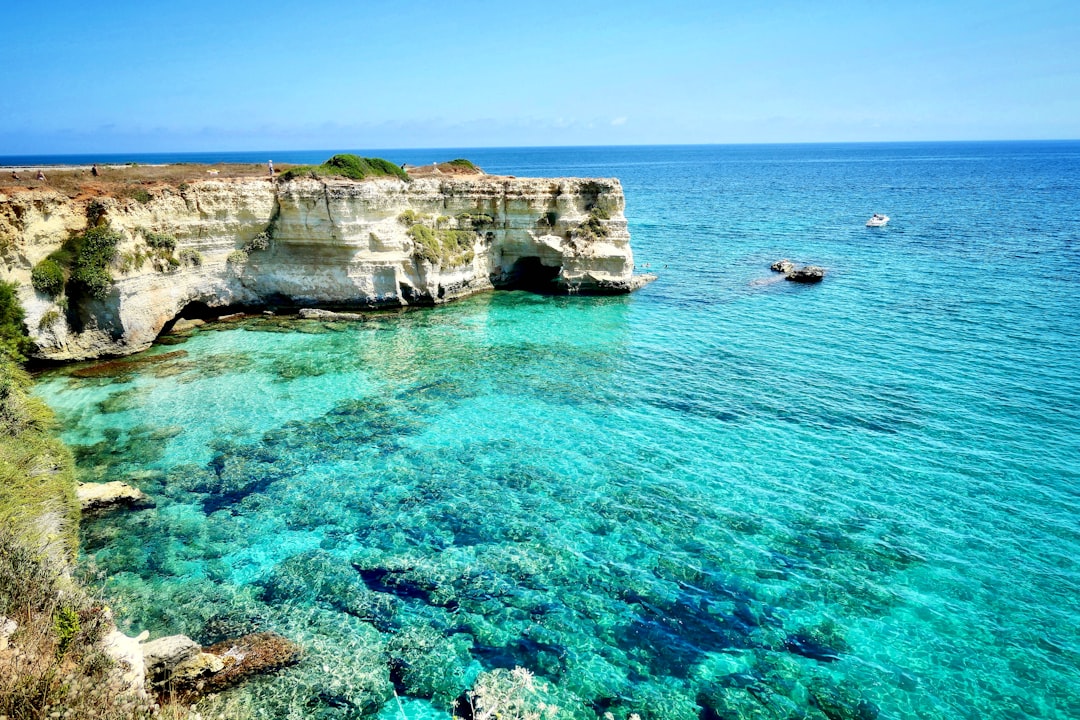
The sea clarity around the Tremiti is exceptional even by Adriatic standards. The islands sit on a submarine platform of Jurassic limestone whose porous rock filters the water around it to a transparency that gives the sea bottom ten or fifteen metres down a visibility rarely encountered in the central Mediterranean. The underwater topography — sea caves, rock arches, walls that drop steeply from the surface — makes the islands one of the better diving locations in Italy for those with the equipment and certification. Snorkelling from the rocky shores of San Domino is productive for the same reason.

San Nicola and the Abbey
San Domino is the larger island — pine forests, rocky coastline, the majority of the hotels and restaurants. San Nicola, smaller and higher, is the historically significant island: it contains the fortified medieval settlement that has been occupied continuously since at least the eighth century AD, when Benedictine monks established a monastery on this Adriatic outcrop.
The Abbey of Santa Maria a Mare on San Nicola stands inside a fortified enclosure that has been rebuilt, extended, and damaged over fifteen centuries of occupation, siege, and earthquake. The current structure — a mix of Romanesque, Gothic, and post-earthquake reconstruction — contains a mosaic floor from the eleventh century and a wooden polyptych attributed to the Veneziano workshop of the fifteenth century that somehow survived the various catastrophes that the island has experienced. The abbey is still maintained by a small monastic community.
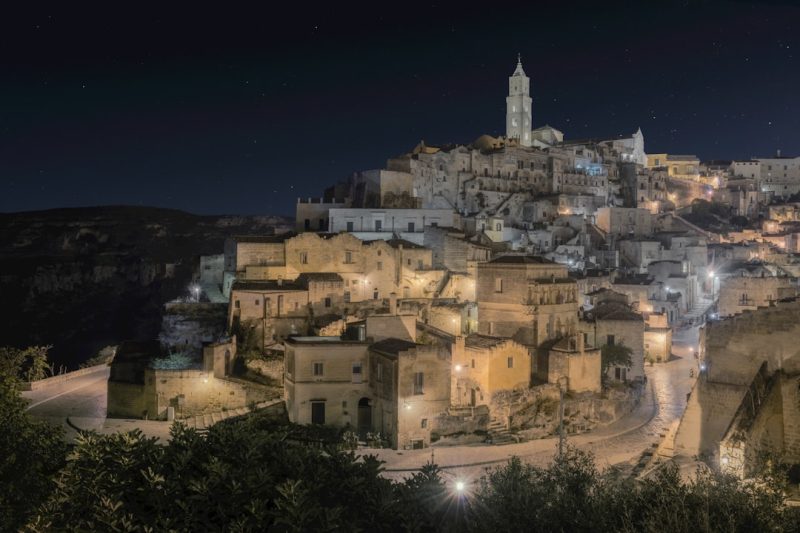
The fortified village of San Nicola, which surrounds the abbey inside the walls, has been inhabited for at least a thousand years. The houses are constructed directly against each other and against the rock, with no space between them and no space around them — the entire island is effectively a single building. The streets are stone-paved, narrow, covered in places by arches that connect buildings across the passage. The permanent population is small; most of the buildings are used seasonally or maintained without regular occupation.
The Historical Weight
The Tremiti Islands have been used as a place of banishment and exile throughout Italian history. Augustus exiled his granddaughter Giulia to the islands in AD 8. Mussolini used them as a political prison in the 1920s, incarcerating Albanians, Croats, and political opponents on San Nicola under conditions that were isolated rather than violent. The combination of beauty and isolation that makes them attractive to visitors was, for their involuntary residents, the precise condition of their confinement.
Getting There and Staying
Year-round ferry and hydrofoil services run from Termoli (Molise) and, in summer, from Vieste and Manfredonia on the Gargano. The journey from Termoli takes forty minutes by hydrofoil, ninety minutes by ferry. Accommodation on San Domino ranges from modest pensions to one or two better-quality hotels; advance booking from June through August is essential. May, early June, and September are ideal: the sea is swimmable, the crowds are manageable, and the boat connections run reliably.
Photo: Massimo Virgilio on Unsplash