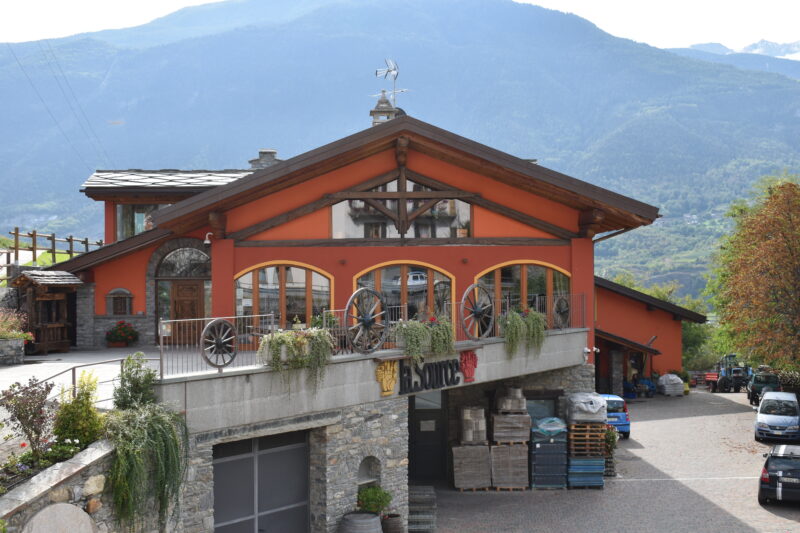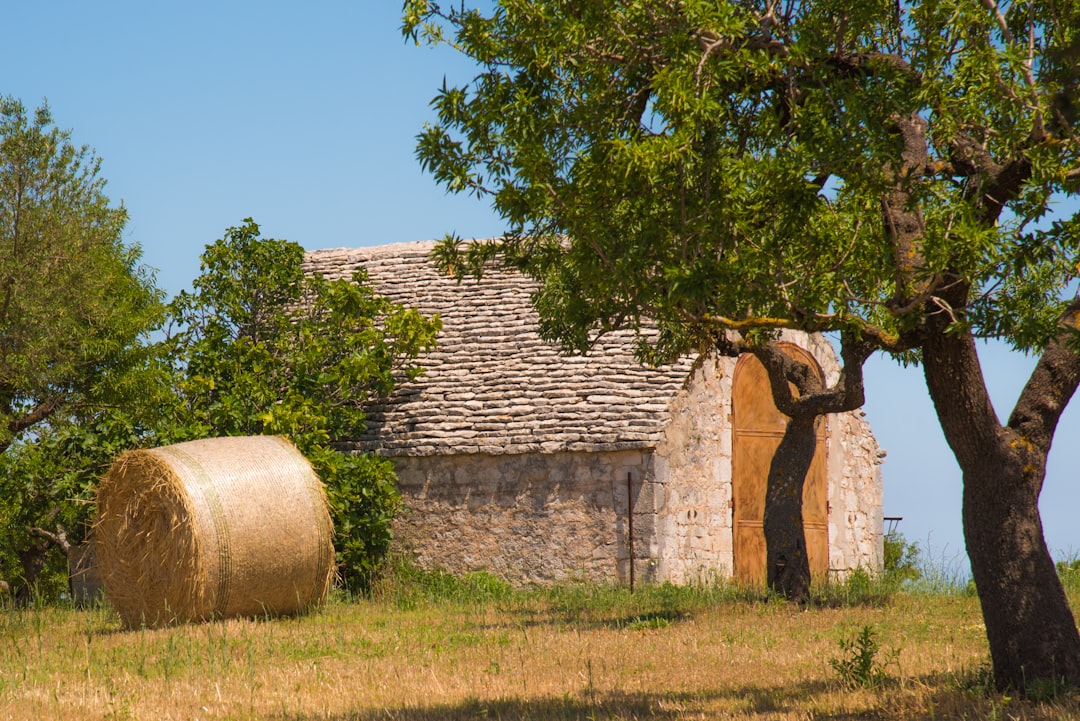
The masseria was not, originally, a comfortable place. Built from the sixteenth century onward across the flat limestone interior of Puglia, these large agricultural estates were designed as much for security as for farming. The threat came from bandits, from Ottoman coastal raids, from the general disorder of a contested territory under Spanish Bourbon administration. The architecture responded: high perimeter walls, towers for lookout, a central courtyard that could be sealed, accommodation for farm workers within the walls rather than scattered across the property. The farms produced olives, grain, almonds, and citrus from soil that looked inhospitable but rewarded irrigation and careful management.
The transformation of the masseria from working farm to hotel typology began in the 1980s and accelerated through the 1990s as agricultural income declined and Puglia began to develop as a domestic tourism destination. The physical properties of the masseria made conversion logical: the thick stone walls provided natural insulation, the enclosed courtyard became a natural social space, and the agricultural outbuildings offered flexible conversion to guest rooms. The best conversions preserved the agricultural function — most masserie hotels still produce olive oil, wine, or vegetables on the surrounding land — while adding the infrastructure that contemporary hospitality requires.
What the Masseria Experience Offers
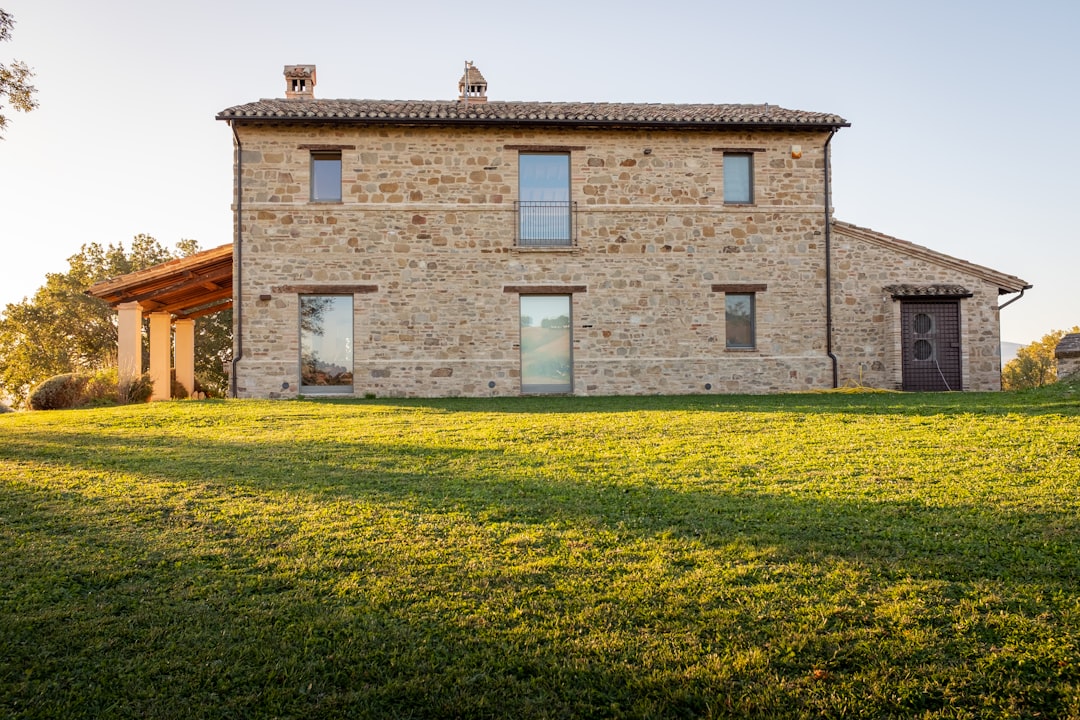
The masseria hotel is fundamentally different in character from a city hotel or a coastal resort. The defining qualities are space, quiet, and connection to the agricultural landscape. Rooms are large by Italian hotel standards — conversion from stone storehouses and workers’ quarters produces volumes that purpose-built hotels rarely have. The courtyards and gardens provide outdoor spaces that feel genuinely private rather than managed. The cooking, at the best properties, draws directly from the estate’s production: olive oil pressed in October, vegetables from the kitchen garden, eggs from the courtyard chickens.
The social structure of the masseria stay is also distinctive. Guest numbers are limited — most properties have between ten and thirty rooms — and the shared spaces encourage the kind of casual interaction between guests that larger hotels suppress. Communal dinners at long tables, cooking classes in the estate kitchen, olive harvest participation in October and November — these activities are structured around the agricultural rhythm of the property rather than the hospitality industry’s assumption that guests want infinite buffet options and a swimming pool.
How to Choose
The range of quality and character among masserie hotels is enormous. At one end are properties where the masseria name is a marketing label for a conventional rural hotel with whitewashed walls and a pool. At the other are historic estates where the architecture, the food, and the agricultural context are coherent and genuine. The distinction is not always easy to identify from photographs, but some indicators help.
Properties with documented agricultural production — olive oil, wine, or vegetables with identifiable estate origins — are more likely to have the food quality and connection to place that the masseria concept implies. Properties owned and operated by families with generational connections to the estate are usually more coherent than those managed by hotel groups. Age of the buildings matters too: a masseria built in the seventeenth or eighteenth century has accumulated the patina, the slight irregularities, and the spatial complexity that new construction cannot replicate.
The Itria Valley — the zone of trulli landscape between Martina Franca, Alberobello, and Locorotondo in the Bari province — has the highest concentration of masserie hotels. The coastal zone south of Lecce, in the Salento, has a more dispersed but equally interesting set of properties in a different landscape: the flatter, more austere Salentine plain rather than the undulating olive country of the Valle d’Itria. Both are worth considering depending on what the rest of the Puglia itinerary requires.
Photo: Gianluca Carenza on Unsplash