The standard hotel model concentrates its guest rooms in a single building, which allows economies of scale in service delivery but necessarily creates an island — a hospitality bubble separated from the surrounding context. You sleep in the hotel, eat in the hotel, and the town outside is something you pass through rather than inhabit. The albergo diffuso inverts this logic entirely. The guest rooms are distributed across multiple buildings — former houses, palaces, farmhouses, craft workshops — throughout a historic village or urban district, connected by a shared reception, shared communal spaces, and a common management. Guests live, effectively, in the village rather than beside it. (See also: Cittaslow)
The concept was developed in the early 1980s in Friuli Venezia Giulia, in response to a specific problem created by the 1976 earthquake that devastated much of the region. The reconstruction programme rebuilt the physical fabric of damaged villages but could not prevent the economic and demographic decline that followed. Villages whose historic centres had been restored but whose populations had moved to new apartments on the periphery were technically preserved but functionally empty. The albergo diffuso — a term coined by academic and consultant Giancarlo Dall’Ara, who has been its principal theorist — proposed using the restored buildings as hotel accommodation while keeping the remaining residents in place, creating a model in which the guest experience depended on the continued vitality of the community.
What the Experience Involves
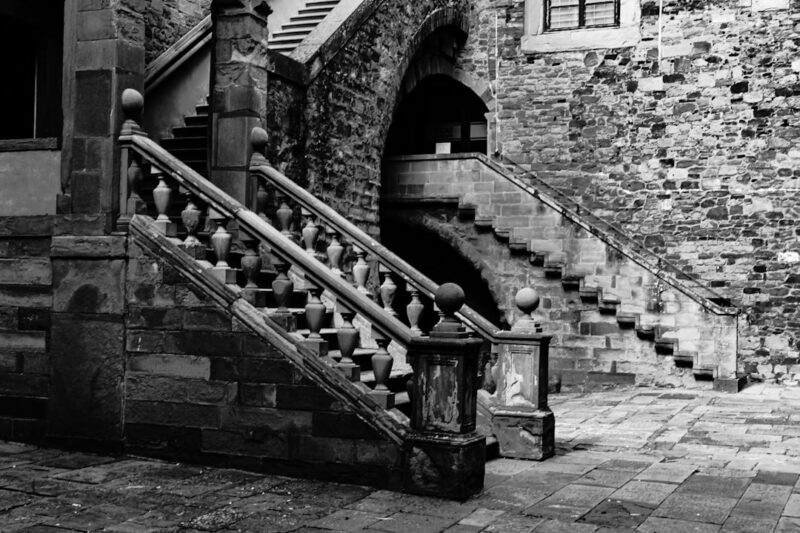
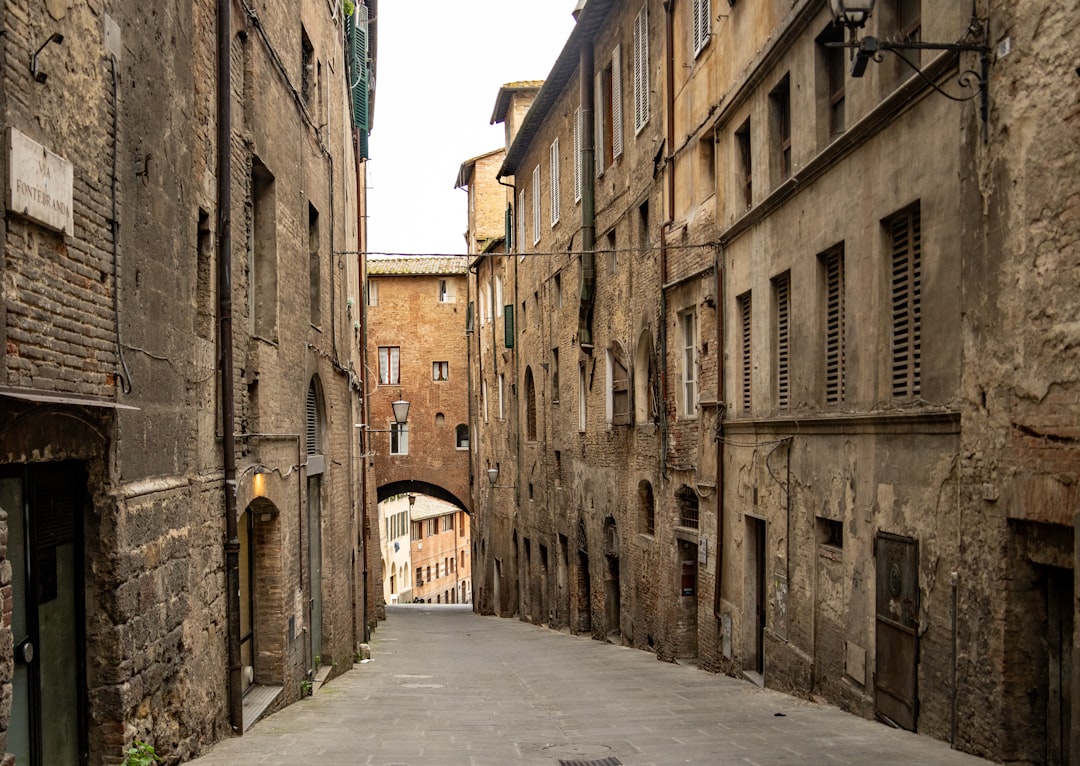
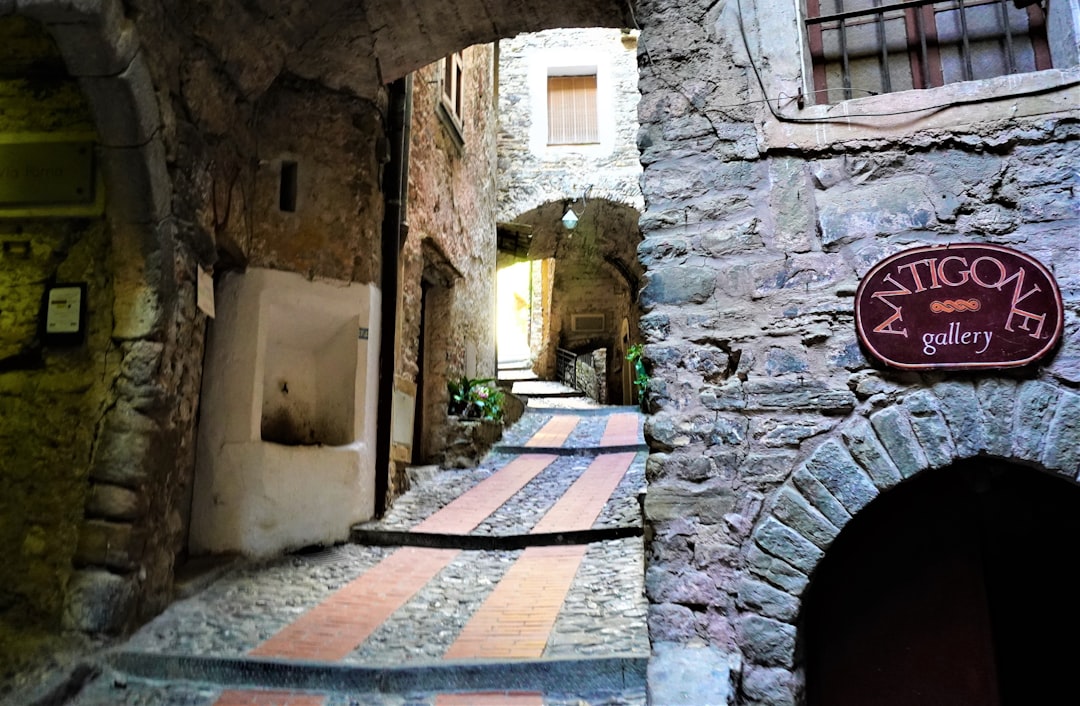
Checking into an albergo diffuso means receiving a key to a room in a building that may be fifty or two hundred metres from the reception and the breakfast room. The walk between the two, morning and evening, passes through the actual life of the village — the bar where residents drink their morning coffee, the elderly woman hanging laundry from a balcony, the cats on the stone steps. This is not staged authenticity. It is the village as it is, and the guest is temporarily part of it rather than an observer of it.
The communal spaces of the albergo diffuso — typically in the most central or historically significant building — serve both guests and residents. The ground-floor wine bar or restaurant is patronised by the village as well as the guests. The courtyard or piazza where breakfast is served is the same space where children play after school. The integration is the point: the albergo diffuso survives and thrives only if the village does, and the village benefits from the economic activity the albergo generates.
Where to Find Them
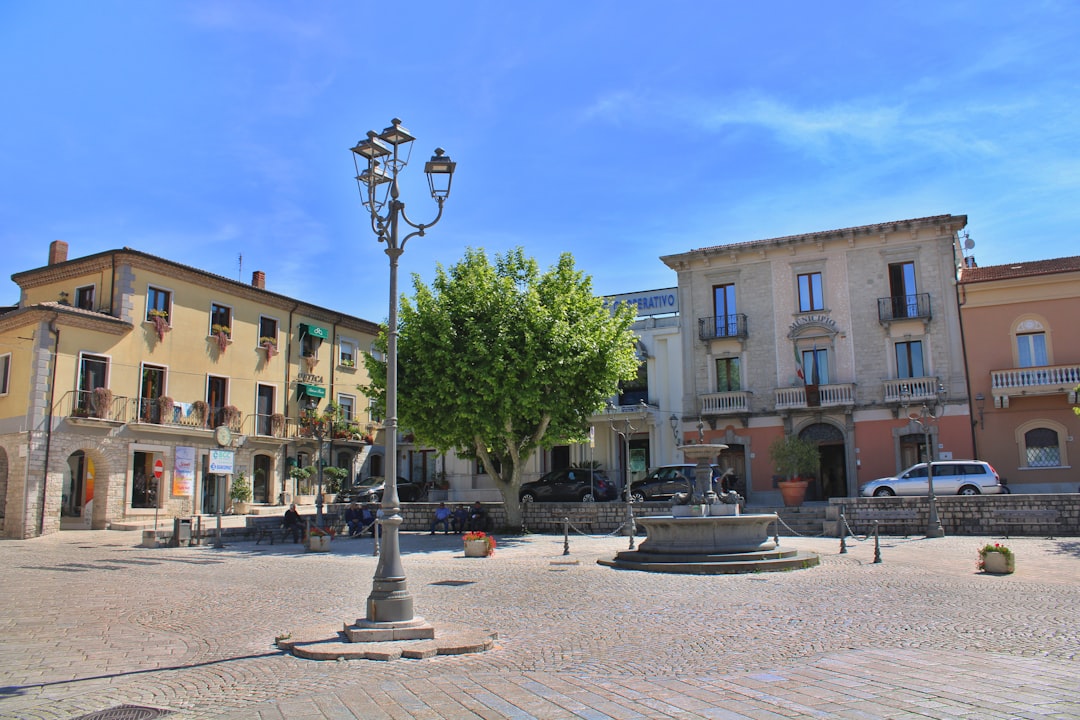
Alberghi diffusi are concentrated in the regions of Italy where small historic villages face the greatest demographic pressure: Friuli Venezia Giulia, Marche, Basilicata, Calabria, Sardinia, and parts of Abruzzo and Molise. The Association of Alberghi Diffusi maintains a national register of certified properties. Not all properties that use the term meet the full criteria — some are essentially bed-and-breakfasts in multiple buildings without the community integration that defines the genuine concept — but the association’s registered members have been assessed against consistent standards.
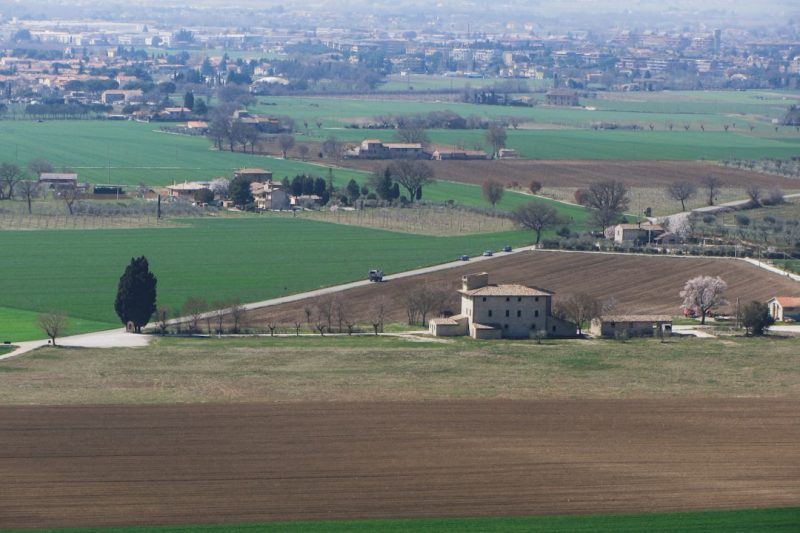
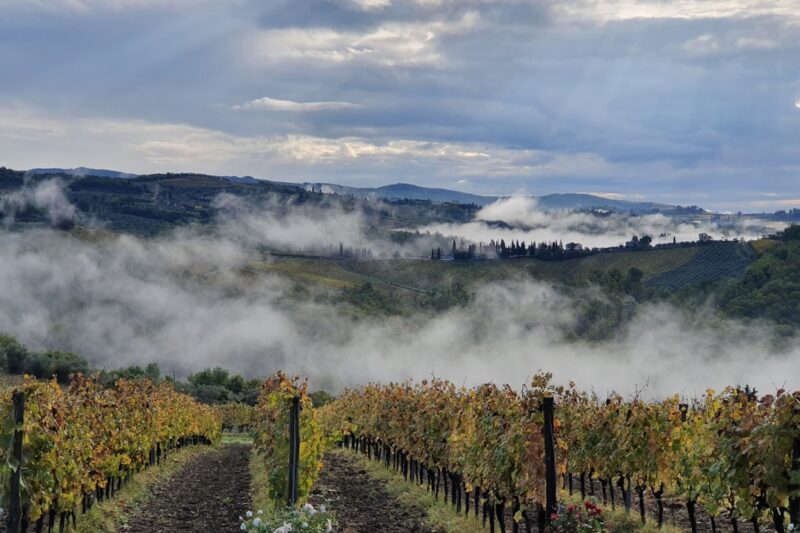
The albergo diffuso at Alberona in Puglia, in the Daunia hills, occupies a medieval village whose population had fallen to a few hundred before the conversion. The one at Torgiano in Umbria integrates the Lungarotti family’s wine estate with the village infrastructure. Frattura di Scanno in Abruzzo, Bosa in Sardinia, and several Calabrian mountain villages have developed the model in different regional contexts. Each offers a different landscape, a different food tradition, and a different kind of quiet. The quality that connects them is that the experience is inseparable from its setting.