What the Brochure Sells
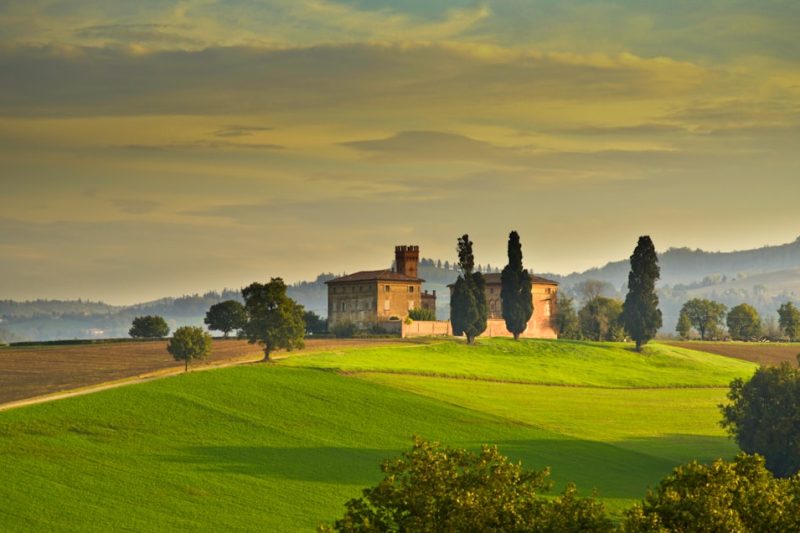
The masseria — the large Apulian farm complex, typically built in the seventeenth or eighteenth century, whose agricultural function has been supplemented or replaced in many cases by the hospitality function that the agriturismo legislation made possible — is one of the defining images of contemporary Puglia tourism. The brochure version is consistent: stone walls the colour of old honey, an olive grove whose trees are ancient enough to have individual personalities, a swimming pool that blends into the landscape rather than contradicting it, a breakfast table laid on a terrace with views across the flat Apulian plateau to the Adriatic. The image is accurate in its details and deceptive in its overall effect.
What the brochure does not convey — cannot convey, because the conventions of hospitality marketing are not designed for accurate description but for attractive proposition — is the range of experience that the masseria category actually contains. For the landscape and life that surrounds these properties, the guide to slow living in the trulli valleys of Puglia covers the social and agricultural context that the brochure leaves out. The masseria that the brochure describes is real; there are masserias of great quality and genuine character in the Apulian countryside, and they are, at their best, among the finest places to stay in Italy. But the masseria category also contains properties whose conversion from agricultural to hospitality use has been recent, rapid, and carried out with a fidelity to the brochure image rather than to the quality of experience it implies.
The Building and Its History
The masseria as a building type is the product of a specific agricultural economy: the large-scale olive cultivation of the Apulian plateau, which from the sixteenth century onward produced olive oil for the Venetian and Genoese markets that consumed it in large quantities and paid prices that made large-scale production economically rational. The masseria was the organisational centre of this production: the oil press at its heart, the accommodation for the seasonal workers in its lateral buildings, the defensive tower that protected the stored oil from the brigandage that the plateau’s isolation made a persistent risk.
The architectural logic of this history is still visible in the best-preserved masserias: the central courtyard that organised the agricultural activity, the vaulted oil press room whose structural engineering was determined by the weight of the millstones, the worker accommodation whose proportions are functional rather than comfortable. Understanding this history changes the experience of staying in a masseria that has preserved it: the thick walls that keep the summer heat out are the same walls that kept the oil secure; the courtyard that now holds the breakfast tables was the same courtyard where the donkeys turned the press.
What the Stone Tells You
The material quality of the masseria building is the most reliable indicator of its age and its conversion quality. The local stone — the golden limestone of the Apulian plateau, cut in large regular blocks by the craftsmen who built the best examples — ages in ways that are visible to the attentive eye: the patina of exposure, the consolidation of the mortar, the subtle settling of the structure that produces the slight irregularities that give old buildings their character. The masseria whose walls are genuinely seventeenth or eighteenth century has a material quality that the converted structure of more recent date cannot replicate, regardless of the quality of the conversion work.
This distinction — between the genuinely old building and the building that presents itself as old — matters not because age is intrinsically valuable but because the experience of inhabiting an old building, one made for purposes quite different from the ones you are bringing to it, is qualitatively different from the experience of inhabiting a new building dressed in old materials. One is an encounter with the past; the other is a stage set for an encounter that does not quite happen.
The Questions to Ask Before Booking
Several practical questions help to distinguish the masseria that will deliver on the brochure’s implicit promise from the one that will merely deliver the brochure’s image. Is the masseria still working land — still producing olive oil, wine, or agricultural products — or has it been entirely converted to hospitality? A working masseria has a relationship to the land that a converted one does not, and this relationship is perceptible in the experience of staying there: in the rhythm of agricultural activity visible from the terrace, in the food that comes from the estate rather than from the wholesale market, in the quality of attention that a family operation brings to hospitality as a supplement to its primary purpose.
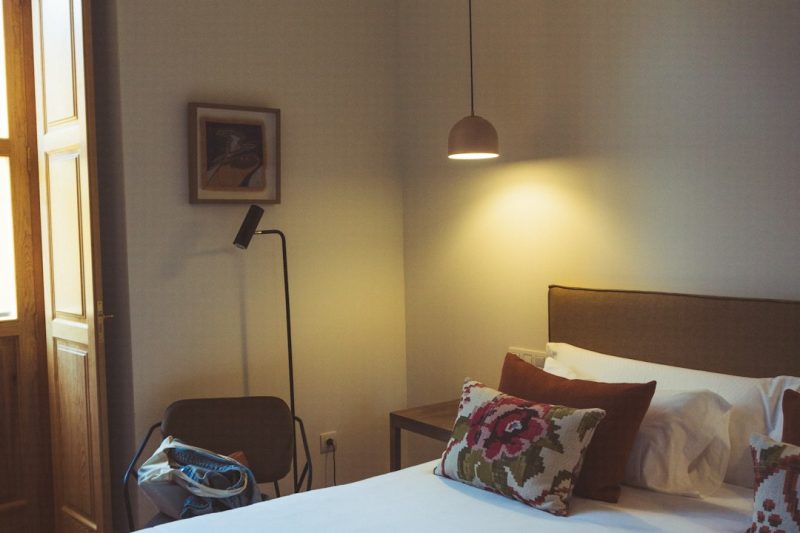
What is the history of the building, and how much of the original fabric has been preserved in the conversion? The best conversions retain the architectural character of the original building while providing the practical comforts that contemporary guests require; the worst conversions gut the original interior and install a generic hotel environment in a historic shell. The photographs on the property website, examined critically, usually reveal which category a property falls into: the genuine conversion shows the irregularities and proportions of the original building; the gutted property shows smooth new surfaces in old walls.
The Landscape Beyond the Property
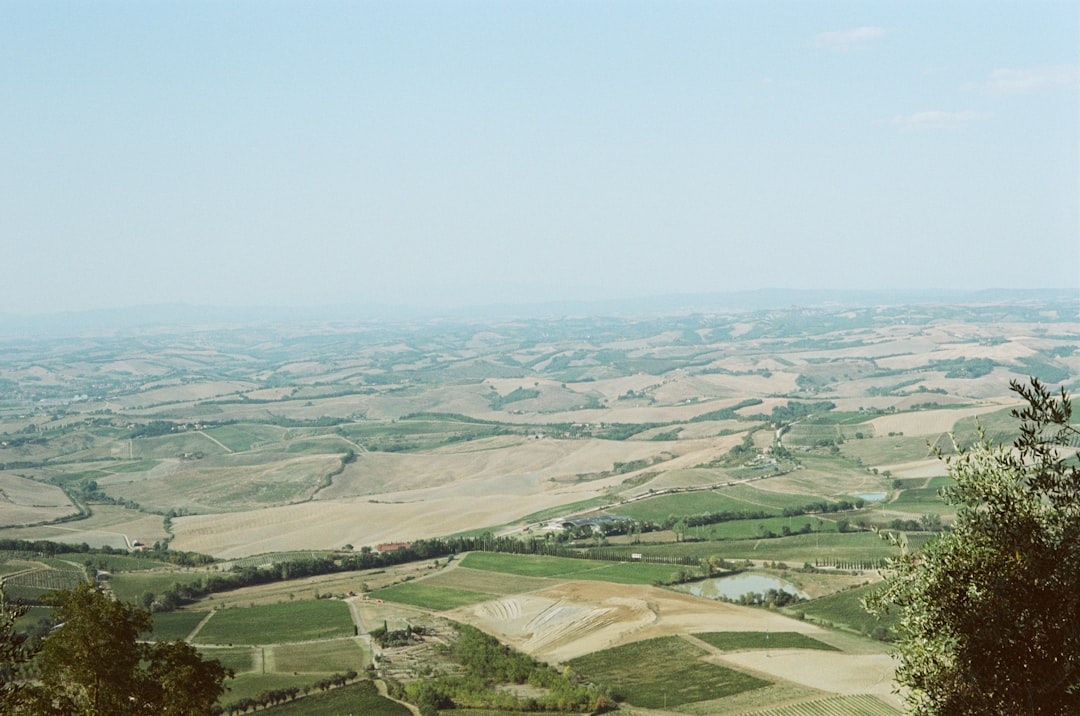
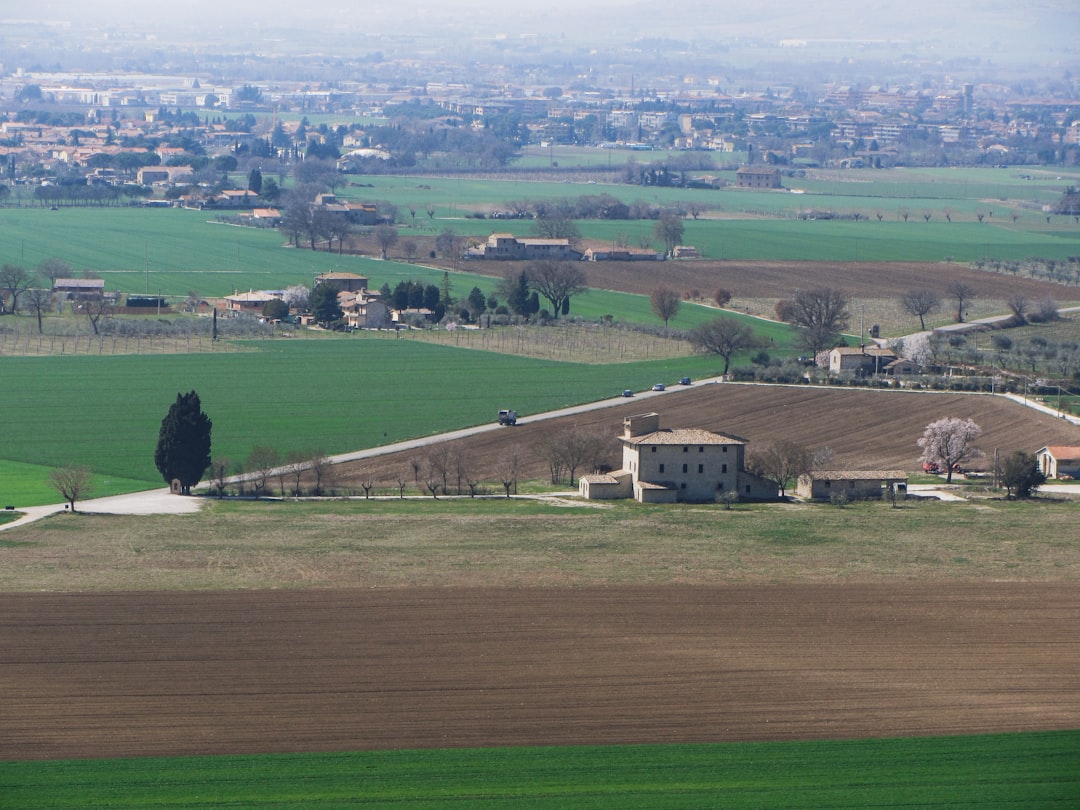
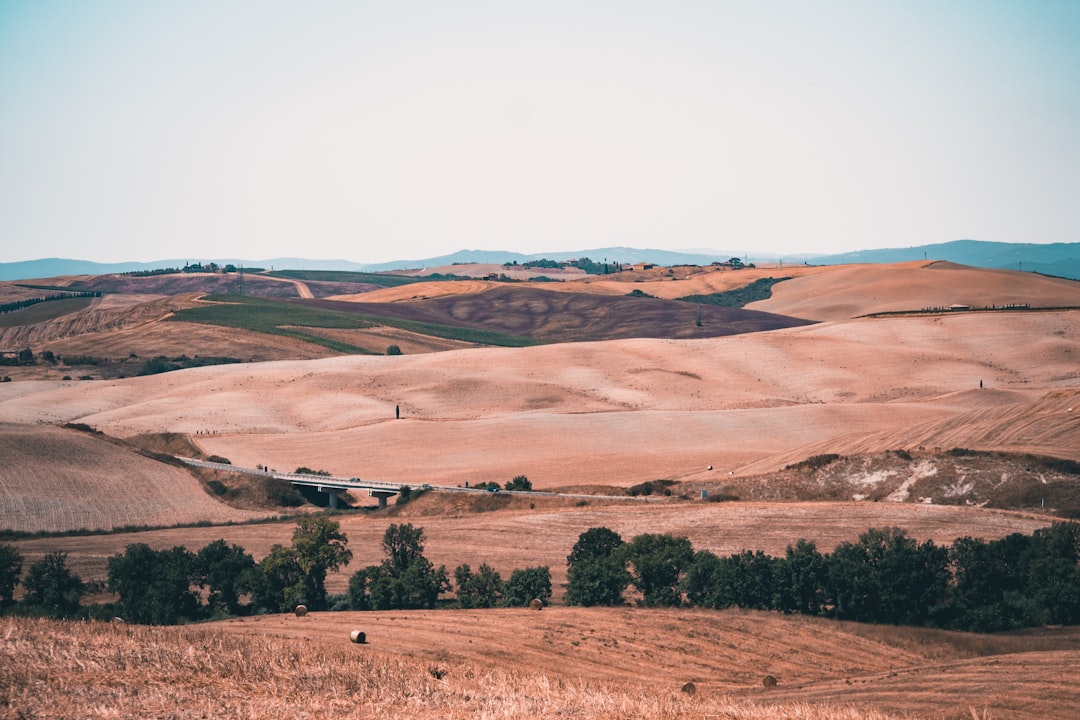
The masseria experience is not only about the property; it is about the landscape in which the property sits, and the landscape of the Apulian plateau varies enormously in character depending on where on the plateau you are. The trulli zone of the Valle d’Itria — the shallow basin between Alberobello, Martina Franca, and Locorotondo — has a very different character from the flat, open plateau of the Tavoliere further north; the olive grove landscape of the Terra d’Otranto in the south is different again from the vineyards of the Primitivo zone around Manduria. A masseria sitting in a landscape of ancient olive trees, some of them centuries old and of a gnarled monumentality that commands the same attention as a significant sculpture, is a different experience from a masseria on the open plateau with views to the horizon in every direction.
The proximity to the coast is another variable that the brochure tends to elide. Many masserias are marketed as coastal properties when they are in fact in the agricultural interior, with the coast accessible by car rather than on foot. This is not necessarily a disadvantage — the Apulian interior has its own considerable qualities — but it is a condition that should be understood before arrival rather than discovered on the first morning.
The Food Question
The masseria that produces its own food — its own olive oil, its own vegetables, its own cured meats from pigs raised on the estate — delivers on the experiential promise most fully. The breakfast table that holds the estate’s own oil, the bread baked that morning, the preserves made from the garden’s excess, is not a performance of Apulian hospitality; it is its substance. The distinction between the estate-produced and the purchased is immediately perceptible to anyone who has experienced both, and it extends to the dinner table in properties that operate a restaurant: the same ingredients, sourced in different ways, produce food of different quality and different meaning.
The questions to ask about food are the same questions that apply to any agricultural hospitality: where does the oil come from? Where do the vegetables come from? Is the menu seasonal in the sense that it changes with what the land produces, or seasonal in the sense that it incorporates seasonal references into a menu that is otherwise fixed? The answers to these questions — given honestly, which the best properties will give — tell you more about the character of a masseria than any amount of brochure prose. A comparable set of questions applies to the farmhouse agriturismos of the Emilian Apennines, where the same argument between genuine agriculture and performed agriculture is being resolved in different terrain.