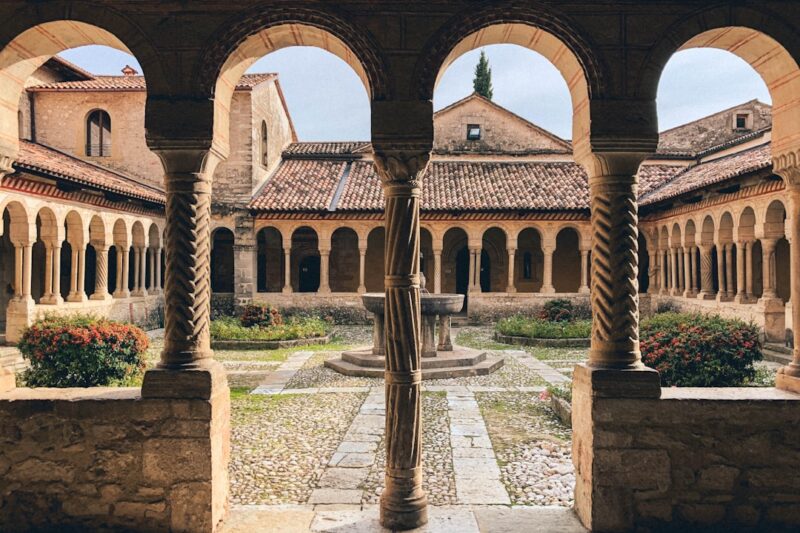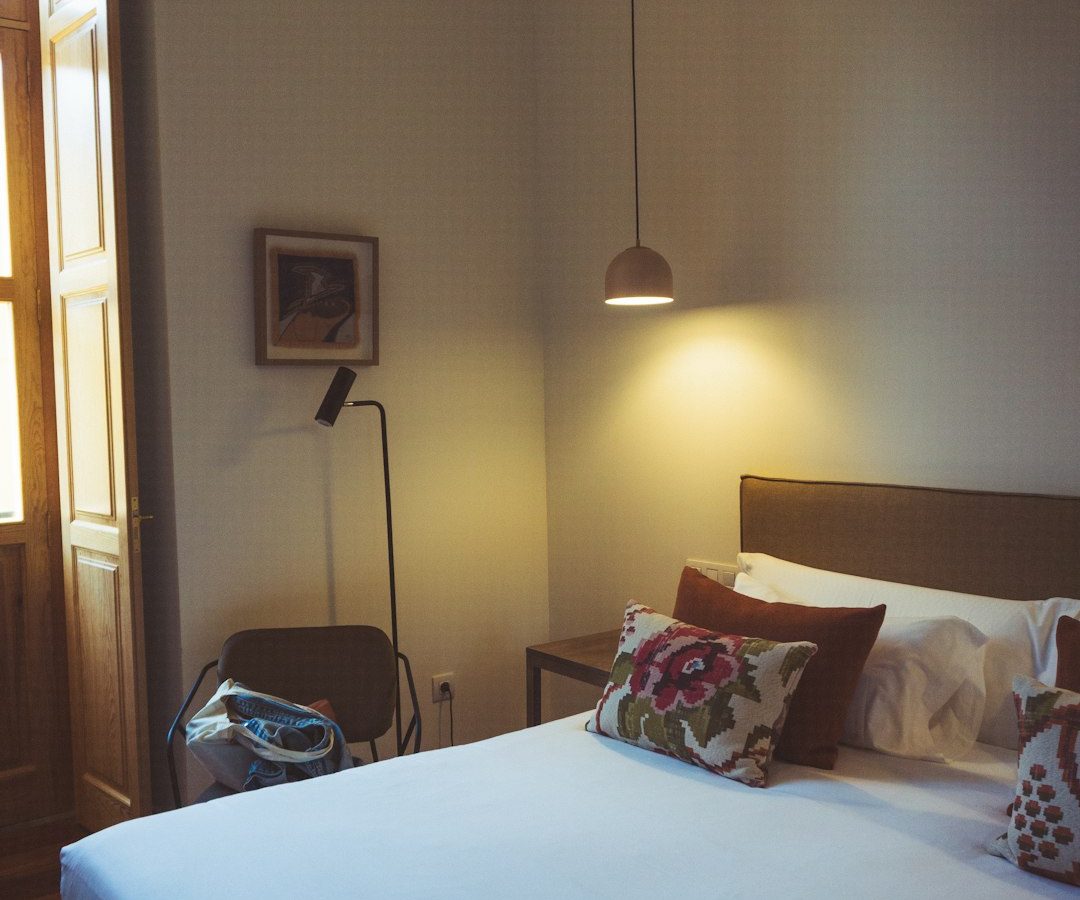
The Italian small hotel — the boutique property, the family-run pensione with character, the restored palazzo with twelve rooms and an owner who knows your name by the second morning — represents one of the genuinely distinctive accommodation experiences of European travel. Italy’s hotel landscape spans the full range from the global luxury brands occupying converted monasteries and lakeside villas to the budget hostel with a shared bathroom and a view of a brick wall, but between these extremes lies a category of small, independent, often family-run hotels that constitute the most rewarding accommodation for the traveller who wants to understand Italy through the places where they sleep.
The Italian bed and breakfast (B&B) — technically a residential property offering a maximum of three rooms for rent under Italian law — is a distinct category from the small hotel, though the distinction in practice is often invisible to the guest. The B&B has grown significantly as a category since the regulatory reform of 2001 made it easier to register a private home for the purpose, and the range it now encompasses is vast: from the single spare bedroom in an apartment (the functional and affordable entry point) to the carefully designed guestrooms of a historic palazzo with a garden terrace and a breakfast table laid with the owner’s own products. The quality of the breakfast is often the clearest indicator of whether a B&B is taking its hospitality seriously: an Italian B&B that serves its breakfast from a supermarket tray is not making the same investment as one that lays a table with local cheeses, house-made jam, and a freshly baked tart.
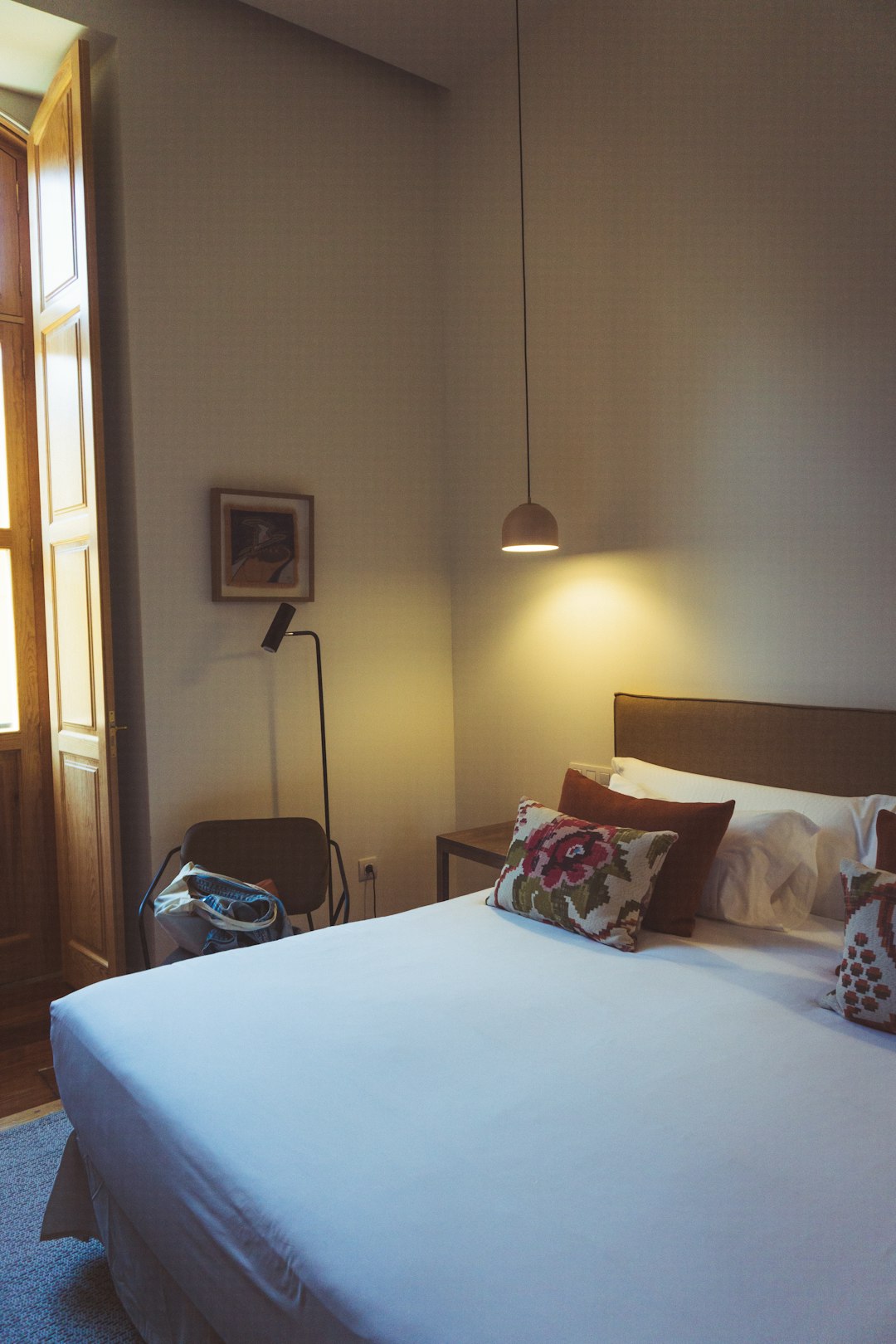
The Relais: Italy’s Most Distinctive Small Hotel Category
The relais — the country house hotel, typically a converted farmhouse, manor, or small palazzo that has been transformed into an accommodation property while retaining the character of the original building — is the Italian small hotel category with the most established international reputation. The Relais & Châteaux association, which certifies properties across Europe and whose Italian members include some of the finest small hotels in the country, provides the most widely recognised quality standard for the category, though independent relais properties of equivalent quality exist outside the association.
The best Italian relais properties — Borgo San Felice in the Chianti, the Locanda dell’Amorosa near Sinalunga, the Castello di Vicarello in the Maremma — are genuinely extraordinary places to stay: the combination of historic architecture (the medieval village structure of Borgo San Felice, the Renaissance manor of the Locanda dell’Amorosa) with high-quality food (typically the estate’s own wine and olive oil, a kitchen that takes the local culinary tradition seriously), and the specific quality of being located in the Italian agricultural landscape rather than in a city, creates an experience that the city hotel cannot replicate. The price premium that these properties charge is substantial, but it reflects a genuinely distinctive product.
The less celebrated tier of the Italian relais — the converted farmhouse with four or six rooms, the hill town palazzo converted by its owners with their own hands and limited resources, the coastal property where the wine is the owner’s own and the breakfast is cooked by the same person who checked you in — is often more interesting than the polished, internationally certified version, and considerably less expensive. Finding these properties requires more research: they are not always on the major booking platforms, their online presence may be minimal, and their English-language communication skills may be limited. The research effort is repaid by an experience that is more genuine and more directly connected to the owner’s personal relationship with the place.
The City Boutique Hotel
The Italian city boutique hotel — the small independent property that occupies a historic building in the centro storico, typically with between ten and thirty rooms, owned and operated by a family or individual with a specific design vision or hospitality philosophy — is a category that has grown significantly in the past fifteen years in the major Italian cities. In Florence, Rome, Venice, Naples, and Palermo, there are now properties that compete with the international luxury brands on quality while offering a character and individuality that the brands cannot replicate.
The Florentine small hotel landscape is particularly rich: the tradition of the pensione in the historic palazzo (a category that goes back to the 19th century, when the pensione catered to the Grand Tour visitor and the expatriate long-term resident) has evolved into a contemporary boutique hotel scene that retains the essential character of the Florentine pensione — the family ownership, the historic building, the breakfast table that feels like someone’s home — while bringing the facilities and design quality to contemporary standards. The streets around Santa Croce, the Oltrarno neighbourhood, and the area between the Duomo and Santa Maria Novella are the most rewarding areas to look for small hotels that genuinely reflect the Florentine character.
Venice offers the most consistently rewarding small hotel experience in Italy, partly because the city’s unique spatial conditions — no car access, the only logistics are by boat and on foot — have kept the large international hotel chains from dominating the central areas in the way they have in Rome and Milan, and partly because the Venetian building stock (the Gothic and Renaissance palazzi, the converted warehouses, the courtyard houses of the outer islands) provides material of extraordinary quality for conversion. A small hotel in a Venetian palazzo overlooking a canal, with stone floors and painted ceilings and the sound of water lapping at the foundations, is an experience that is specific to Venice and available at every price point from modest to extravagant.

The Albergo Diffuso: A Specifically Italian Innovation
The albergo diffuso — the “scattered hotel,” a hospitality concept invented in Italy and now applied in dozens of locations across the peninsula — is a response to the specific challenge of regenerating partially abandoned historic villages: instead of concentrating accommodation in a single building, the albergo diffuso distributes rooms among multiple restored buildings in the village, with a central reception and communal facilities (breakfast room, common spaces) that serve all the distributed units. The guest sleeps in a room that may be across the piazza from the reception or up a narrow staircase from the village’s only street, but has access to hotel services through the central hub.
The concept was first developed in Friuli Venezia Giulia in the 1980s as a tool for the regeneration of villages damaged by the 1976 earthquake, and has since been applied successfully in dozens of Italian villages — in the Abruzzo Apennines, in the Basilicata interior, in the Sicilian mountain villages, in Sardinia — where the albergo diffuso model has provided both an economic rationale for restoring historic buildings and a distinctive accommodation experience that draws visitors who want to live inside a village rather than just visit it. Staying in an albergo diffuso means becoming, temporarily, a resident: buying your morning coffee at the only bar in the village, buying bread from the baker who opens at seven, walking to dinner through the empty village streets. The experience is unlike any other accommodation category.
Practical Notes for Booking Italian Small Hotels
The booking landscape for Italian small hotels is different from that for the international chains, and navigating it well produces both better prices and a more rewarding experience. The major platforms (Booking.com, Expedia, TripAdvisor) carry most Italian small hotels, but the properties listed there typically pay commissions of 15-20%, which is factored into the room rate. Many small Italian hotels — particularly the relais properties and the owner-operated B&Bs — will offer a slightly lower rate for direct booking, either by phone or email, and the direct booking also establishes a personal relationship with the owner that can be useful in understanding the property’s specific character and in requesting particular rooms or arrangements.
The small Italian hotel typically has a flexible attitude toward enquiries — call or email with specific questions about the rooms, the breakfast, the location, the parking — and the response will tell you a great deal about the property’s hospitality philosophy. A property that answers a specific question with the specific information requested is different from one that responds with a form letter; the difference in attitude extends to the stay itself.
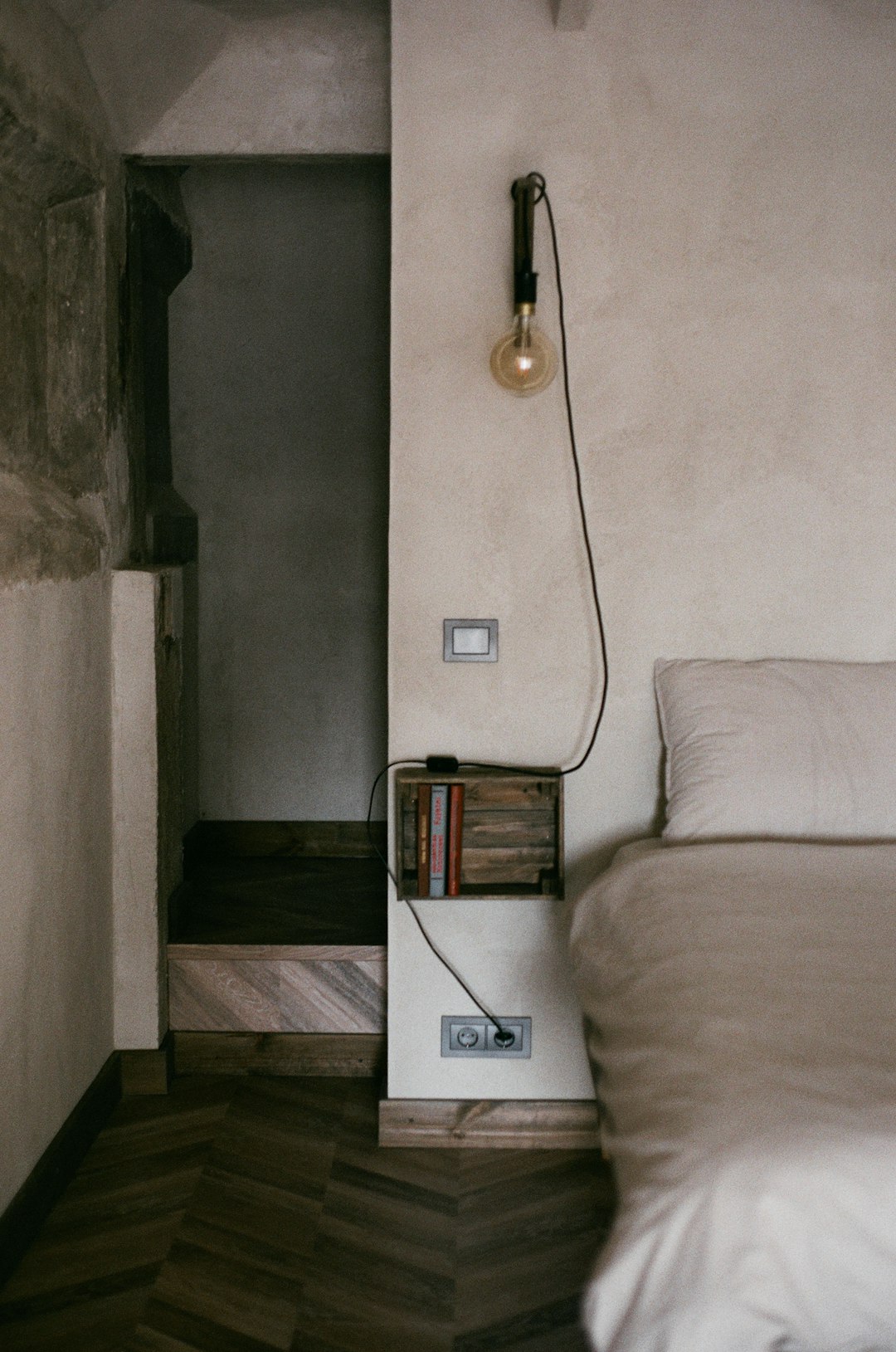
The Italian B&B and small hotel landscape is at its most interesting in the second-tier cities and in the countryside, where the international hotel brands have less presence and the independent properties have not been forced to compete on the terms of the global hospitality market. Lecce, Matera, Orvieto, Lucca, Ferrara, Mantua — these are cities where the small hotel experience is at its most genuine and where the gap between the independent property and the international brand is most pronounced in favour of the independent. The visitor who chooses the small, owner-run hotel in one of these cities over the chain hotel at the edge of town will find that the accommodation itself becomes part of the experience of the place, rather than a generic container for the experience of the place. This is the specific gift of the Italian small hotel at its best.