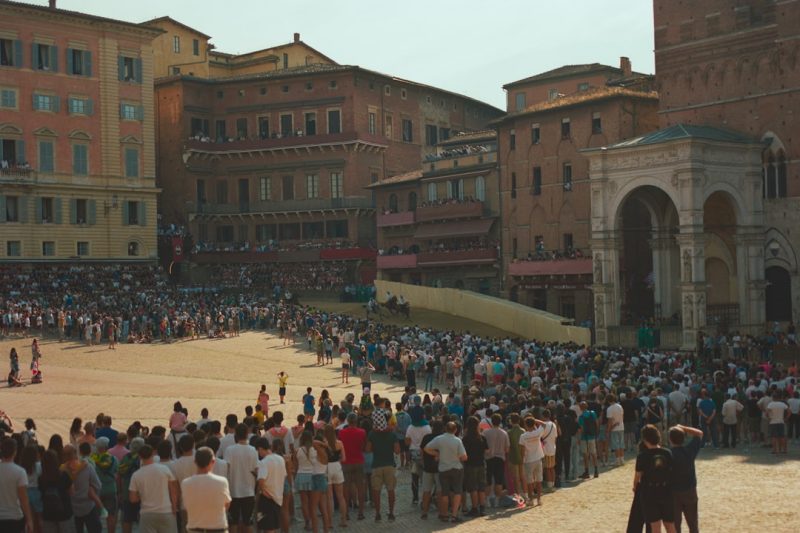
The Uffizi Gallery in Florence is both one of the greatest art museums in the world and, on a busy summer morning, one of the most exhausting places to be in Italy. The queues begin forming at dawn. Tour groups move through the principal rooms in dense, camera-brandishing formations. The Botticelli rooms, where the Birth of Venus and the Allegory of Spring hang in their golden frames, can be so crowded that it becomes physically impossible to stand still and look. The experience of the art is mediated through crowds, through noise, through the constant pressure of other people’s itineraries.
Beyond the Main Tourist Circuit
And yet. Step out of the main tourist current, turn down one of the corridors that most visitors skip, and the Uffizi becomes a different institution — one of the most extraordinary spaces for the contemplative encounter with art that exists anywhere. The early Flemish masters in rooms 22 and 23, including Hugo van der Goes’s magnificent Portinari Altarpiece, reward extended study with a quality of painted light that influenced every Florentine painter who saw it. The Caravaggio rooms, where the Medusa and the Sacrifice of Isaac hang in relative tranquillity, offer one of the most direct and visceral encounters with that painter’s genius available anywhere.
The Vasari Corridor and the Self-Portrait Collection
The Vasari Corridor, the elevated passageway that connects the Uffizi to the Pitti Palace across the Ponte Vecchio, contains a collection of self-portraits spanning five centuries of European art history — Raphael, Rembrandt, Velázquez, Ingres, Delacroix, right up to Orsoline Mura and contemporary artists. Access is limited and requires advance booking, but the experience of walking through this private elevated world while the tourists below make their way across the bridge is unforgettable.
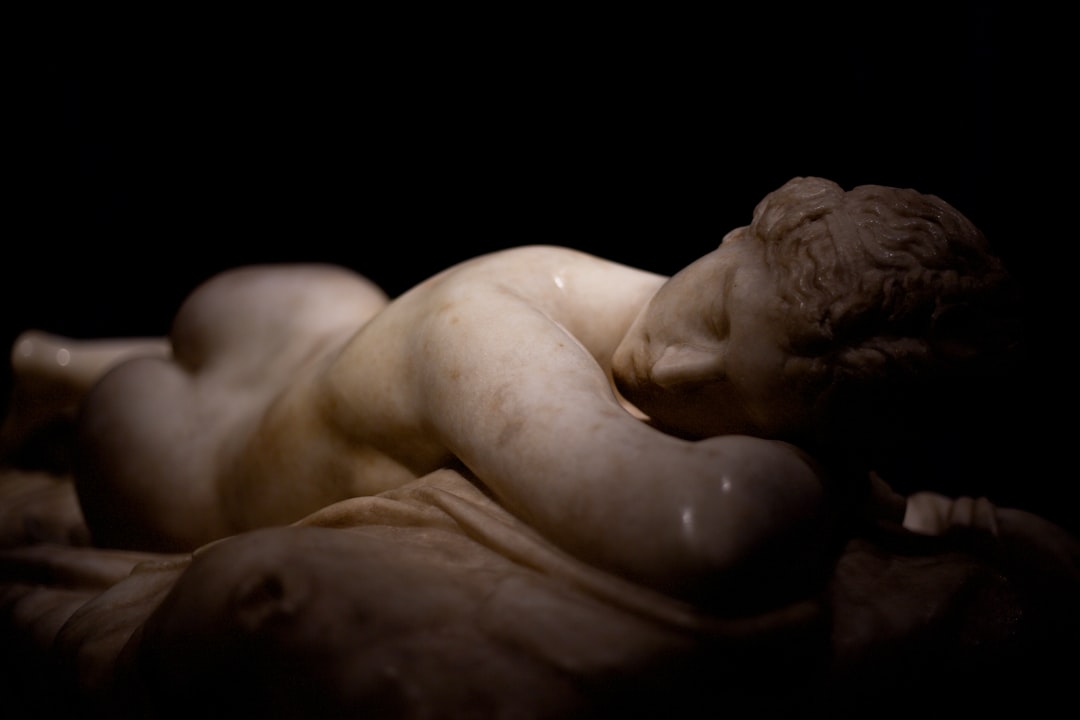
The museum’s collection of Roman and Greek sculpture, occupying the first floor rooms that most visitors pass through without stopping, contains works of extraordinary quality — including the Medici Venus, which influenced every academic sculptor from the Renaissance onwards, and the Wrestlers, a Hellenistic group of such energy and anatomical precision that it seems about to topple from its pedestal. These rooms are often nearly empty even in the height of summer.
Practical Tips for Visiting the Uffizi
The practical advice for the Uffizi is simple: book tickets months in advance, arrive at opening time, spend the first hour in the less-visited rooms, and save the Botticellis for late morning when the initial rush has dispersed. Better yet, visit in November or February, when Florence belongs to the Florentines and the galleries can be experienced at the unhurried pace they deserve. Those travelling further into Tuscany will find that the walk from Lucca to Siena passes through landscapes that appear, unmistakably, in the backgrounds of many paintings inside.
Art of the quality assembled in the Uffizi — the product of centuries of Medici patronage, of competitive acquisition, of a city that considered the support of art a civic and moral duty — demands time, silence, and the willingness to stand before a painting for ten minutes rather than ten seconds. End the day over a bowl of ribollita in a Florentine trattoria, and the city’s double gift — beauty on the walls and beauty on the table — becomes something close to overwhelming.