Ribollita is a Tuscan bread soup that has been reboiled. The name is the instruction: ribollire, to reboil, because the original preparation — a soup of stale bread, cannellini beans, Tuscan kale, and whatever vegetables the garden provided — was cooked on one day and then heated again the next, the reboiling thickening the bread further and concentrating the flavours in a way that made the second day’s version better than the first. This is not a culinary philosophy. It is a practical response to the reality of stale bread and a cold kitchen in a Tuscan winter, repeated over generations until the accidental discovery became a specific preparation with defined elements and a recognisable result.
The cucina povera of Tuscany — the poor kitchen, the food of the contadini who worked the land under the mezzadria system that shaped Tuscan rural society until the mid-20th century — produced several dishes of this kind: preparations where the starting point was necessity (nothing wasted, everything used) and the result was flavour that the ingredient list does not obviously promise. Ribollita is the most famous of them, but the same principle produces panzanella (stale bread salad with tomatoes), pappa al pomodoro (bread and tomato soup), acquacotta (“cooked water,” a sparse vegetable soup thickened with bread and egg), and the other dishes that constitute the Tuscan bread soup tradition. Understanding ribollita as one expression of a broader food logic, rather than as an isolated preparation, clarifies both what it is and why it is the way it is.
The Ingredients: What They Must Be
The bread of ribollita is unsalted Tuscan bread — pane sciocco, the saltless loaf that is one of the more distinctive aspects of Tuscan food culture. The bread is unsalted because the salt in the cured meats and cheeses that historically accompanied it provided all the salt a meal needed; using salted bread in ribollita produces a soup that is too salty by the time the bread has absorbed the stock and the flavour of the vegetables has concentrated through cooking. The bread should be stale — two to three days old, beginning to dry rather than fresh.
The beans are cannellini — the white kidney bean that is the fundamental legume of Tuscan cooking. Dried beans soaked overnight and cooked from scratch give a different result from canned: a firmer texture that holds up to the reboiling without becoming paste, and a cooking liquid that is itself flavoured and contributes to the soup. The bean cooking liquid, combined with stock (vegetable or light chicken), constitutes the liquid base of the soup. The beans should be cooked to done but not mushy before being added to the soup.
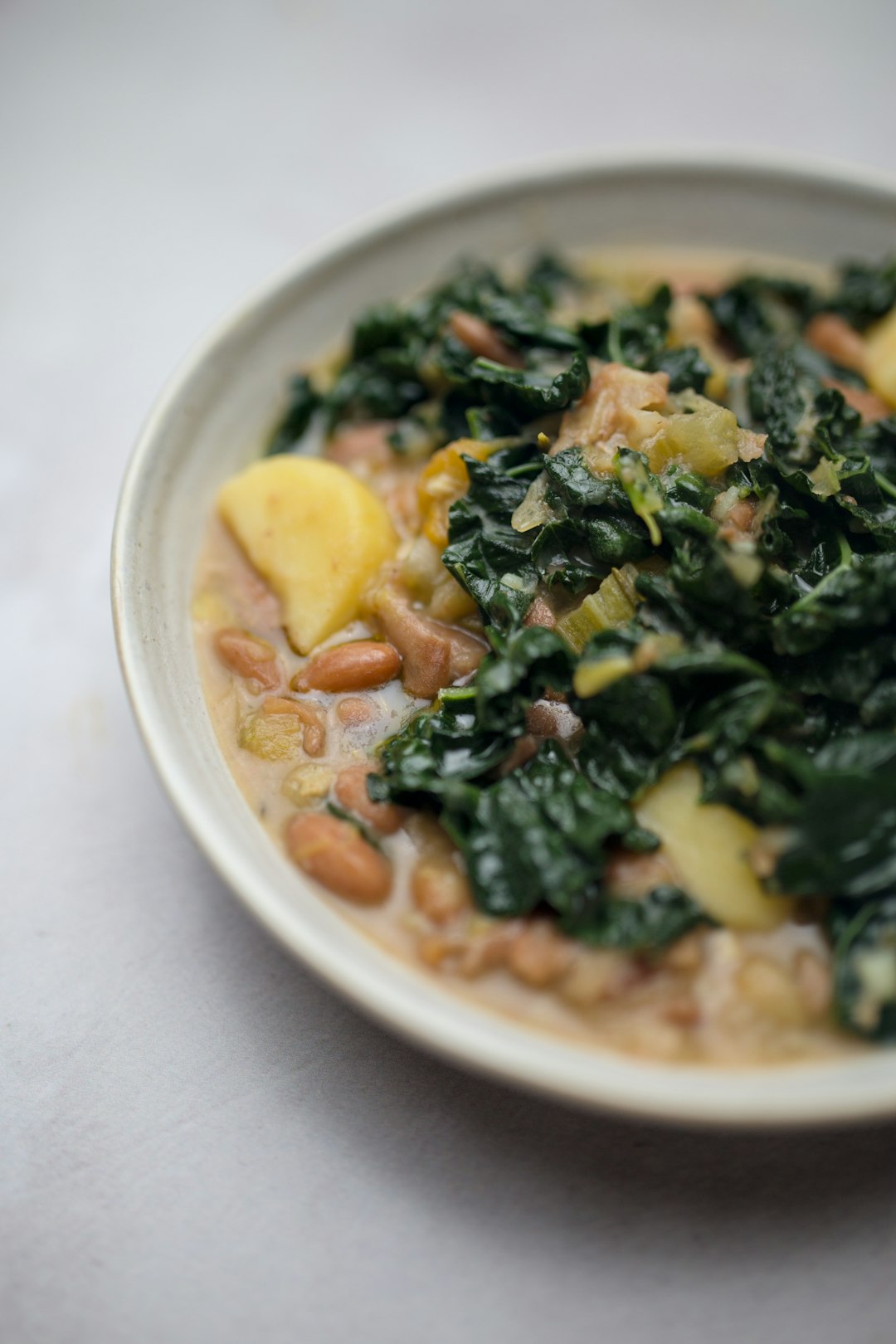
The signature vegetable is cavolo nero — Tuscan kale, a dark, dinosaur-kale relative with a more intense flavour and a tougher texture than the curly kale that appears in most non-Italian markets. Cavolo nero is important to ribollita not only for flavour but for texture: it holds up to long cooking in a way that other leafy vegetables do not, and its bitterness provides the counterpoint to the sweetness of the cooked onion and carrot base. Where cavolo nero is not available, curly kale can substitute, though the result is different in flavour.
The other vegetables — celery, carrot, onion, leek, potato, sometimes tomato (fresh in summer, canned or passata in winter) — constitute the soffritto base and the body of the soup. The combination varies by family and season; the traditional winter version leans toward the root vegetables and kale, while an autumn version might include pumpkin or squash. The variation within a defined set of parameters is the mark of a genuine traditional recipe rather than a fixed formula.
The Technique: Time and Heat
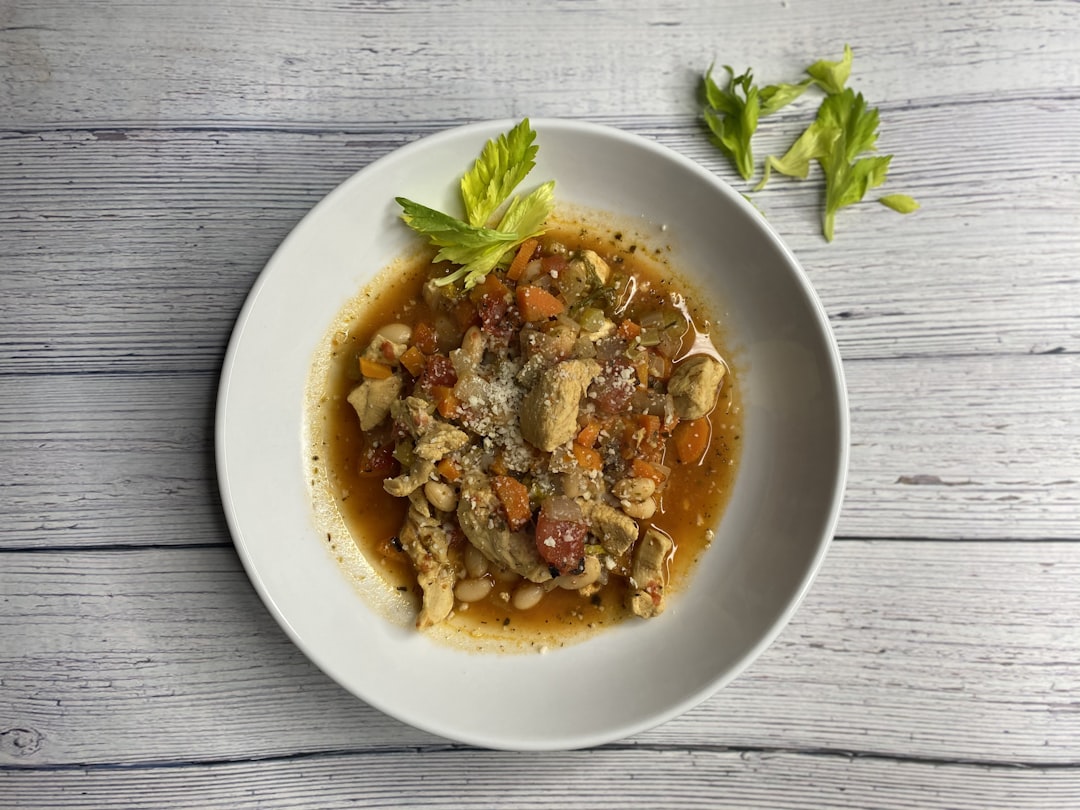
The first cooking of ribollita begins with a soffritto: onion, carrot, and celery sweated slowly in olive oil until soft and beginning to colour. The other vegetables are added progressively by cooking time required — harder vegetables first, leafier ones later. The beans (some whole, some roughly mashed to thicken the soup) and the bread (torn into pieces) go in last, and the whole is cooked gently until the bread has absorbed the liquid and the soup has thickened to the consistency of a dense porridge rather than a thin broth.
This is the first ribollita. It can be eaten at this stage — and it is good at this stage — but it is not at its best. The second cooking happens the following day: the cold, thickened soup (which will have solidified overnight in the refrigerator) is reheated slowly, adding a little more olive oil and adjusting the consistency with additional stock if it has become too solid. The reboiling re-emulsifies the olive oil throughout the soup, concentrates the flavours further, and produces the specific texture — dense, thick, the bread completely integrated into the liquid — that distinguishes ribollita from the first-day bread soup.
The quality of the olive oil matters more in ribollita than in almost any other preparation, because it is added at the beginning (soffritto), at the end of the first cooking, and again at the reboiling — and the oil’s flavour is a continuous presence in the final dish. A good Tuscan olive oil — the extra virgin oils of the Chianti hills or the Colline Lucchesi, with their characteristic green colour, grassy aroma, and peppery finish — makes a noticeable difference in a dish this simple.
The Bread Soup Tradition in Context
Ribollita sits within a broader Mediterranean tradition of bread soups: the Spanish migas, the Portuguese açorda, the gazpacho that began as a bread-and-vegetable preparation rather than the cold tomato soup it has become, the French panade and its descendants. All of these are products of the same logic — stale bread as a food resource, not a waste product — and all demonstrate the same principle: bread cooked in liquid and fat becomes something different from bread, and that something is often better than the bread it came from.
The Tuscan version of this tradition is distinctive in its emphasis on beans (the protein source that makes bread soup a complete meal rather than a side dish), its use of the unsalted local bread (which absorbs flavour more readily than salted bread), and its insistence on the reboiling as a specific technique rather than a pragmatic reheating. The ribollita that is served the next day in the best Florentine trattorie is the same ribollita that was made the previous morning, stored overnight, and reheated specifically to produce the second-day version — not a different batch started fresh, but the original preparation at the stage of its maximum expression.
Pappa al Pomodoro: The Summer Variant
Pappa al pomodoro — bread and tomato soup — is ribollita’s summer equivalent and operates on the same principle with a different vegetable base. The ripe summer tomatoes of Tuscany, cooked down with olive oil, garlic, and basil and then combined with stale Tuscan bread and more olive oil, produce a thick, sweet, intensely tomato-flavoured preparation that is the direct counterpart of the winter ribollita. It can be served warm or at room temperature (the Tuscan summer temperature makes warm preparations optional), and the quality of the summer tomatoes — the ones grown in the gardens and smallholdings of the Tuscan countryside, not the commercial greenhouse tomatoes that appear in supermarkets — is as decisive for pappa al pomodoro as the cavolo nero is for ribollita.
Where to Eat Ribollita
The ribollita in Florentine tourist restaurants is often a simplified, one-cooking version that is prepared fresh each day rather than reboiled. It is still typically good — the flavour logic of the ingredients survives even without the second cooking — but it is not ribollita in the strict sense, and the difference is detectable.
The version that most directly expresses the traditional form is found in the trattorie of the Florentine working-class neighbourhoods (the Oltrarno on the south side of the Arno, Sant’Ambrogio, the areas around the San Lorenzo market), in the farmhouse restaurants of the Chianti and the Mugello hills, and in the agriturismi of the Sienese hills and the Maremma. These are the places where ribollita is made in the traditional manner — prepared the day before, reboiled to order — and where the olive oil is likely to be the producer’s own rather than commercial.
The season matters: ribollita is a winter and autumn preparation, and ordering it in August (when cavolo nero is not in season and the warm soup is uncomfortable to eat) is a reliable indicator of a restaurant that is not making it correctly. The best ribollita appears on menus in October through March, when the cavolo nero is fully developed and the temperature makes a dense, hot bread soup the appropriate preparation.
Making Ribollita: A Method
For 6 people (ribollita is not worth making for 2): 300g dried cannellini beans soaked overnight, 400g cavolo nero, 300g stale Tuscan bread, 2 large onions, 3 stalks celery, 2 large carrots, 1 leek, 2 medium potatoes, 400g canned plum tomatoes, 4 cloves garlic, generous Tuscan extra virgin olive oil, vegetable stock, salt and pepper.
Cook the beans from scratch in unsalted water until completely tender. Reserve the cooking liquid. Make a soffritto with the onion, celery, carrot, and leek in a generous pour of olive oil over low heat for 20-25 minutes until completely soft. Add garlic and cook 2 minutes more. Add the potato (cubed), tomatoes, half the beans (roughly mashed), and the cooking liquid plus stock to cover. Cook 20 minutes. Add cavolo nero (stripped from stems, roughly chopped) and remaining whole beans. Cook 15 minutes more. Add the bread in torn pieces, stir thoroughly, cook another 10 minutes until bread is completely absorbed. Adjust consistency with stock if needed. Rest overnight.
The next day: reheat gently over low heat, adding a generous pour of fresh olive oil and stirring continuously. Taste and adjust. Serve drizzled with more olive oil and coarsely ground black pepper. The finished soup should be very thick — spoon-standing thick, closer to a porridge than a soup — with the bread completely integrated and the olive oil glossy throughout.