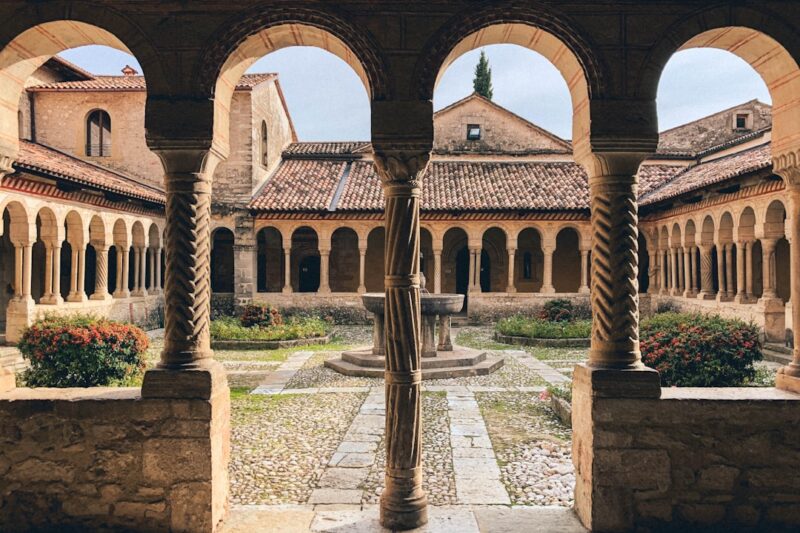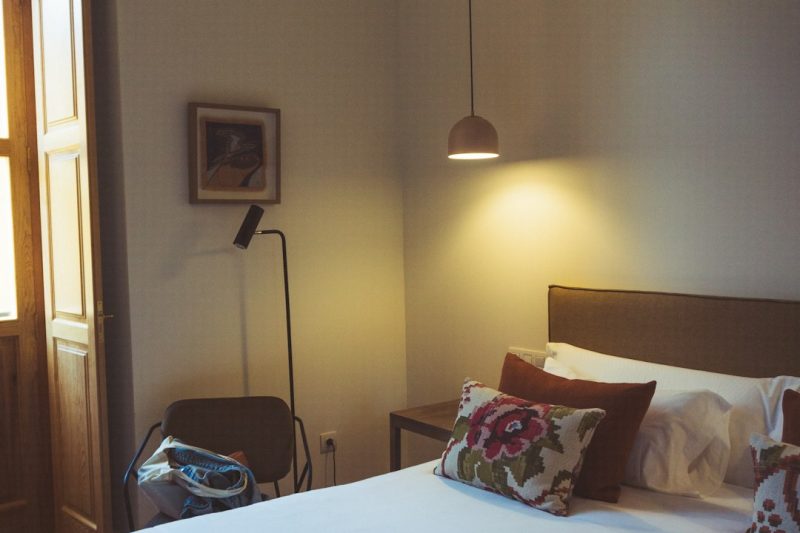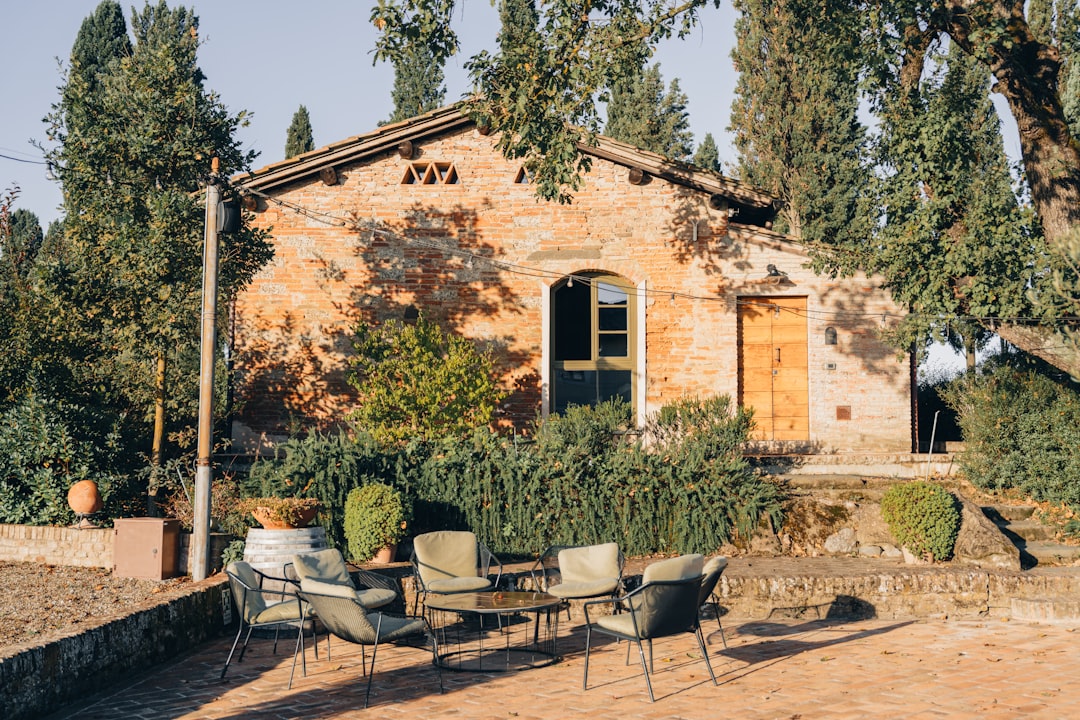
The agriturismo as a formal institution dates from a 1985 Italian law that allowed farmers to host paying guests as a way of supplementing agricultural income and keeping the countryside populated. Nearly four decades later, the category contains multitudes — from simple rooms above a Tuscan olive oil producer to supremely designed five-bedroom villas with infinity pools overlooking Umbrian valleys, from Sicilian wine estates where guests attend the vendemmia to Alpine dairy farms where children can watch the cheese being made each morning.
What Makes a Great Agriturismo
What unites them, at their best, is an authenticity of experience that conventional hotels cannot manufacture. When the olive oil on your breakfast table was pressed from trees that you can see from your window, when the honey is from the hives in the meadow below the terrace, when the eggs were laid that morning by the chickens whose noise woke you at six, the food acquires a directness of connection to place that transforms eating into something more than nourishment.
The Best Regions for Agriturismo
Tuscany has the highest concentration of excellent agriturismo in Italy — for the full selection, see our complete guide. Partly because the Tuscan landscape is the one that visitors most want to be immersed in, and partly because decades of agriturismo culture have refined the offering to a very high standard. The golden rule is to look for places where farming is still the primary activity — where the owner is actually producing something from the land rather than simply using an agricultural classification to run a boutique hotel. The difference in atmosphere between a genuine working farm and a luxury property that happens to have a few vines planted for appearances is immediately apparent.
Umbria’s agriturismo culture is less polished than Tuscany’s but often more rewarding for it. Around Spoleto, Norcia, and the Valnerina, small family-run estates offer simple accommodation in stone farmhouses alongside food that draws from the extraordinary larder of the Apennine foothills: truffles, wild boar, mountain cheeses, lentils from the Piano Grande of Castelluccio. The cooking is not designed for Instagram but for sustenance, and the flavours of a simple supper of pasta e fagioli eaten at a long table with other guests on a September evening, much like the Italian Sunday lunch tradition made communal, with a carafe of local Sagrantino on the table and the Umbrian hills visible through the window, are among the most satisfying available to the traveller in Italy.
How to Choose and Book
Choosing the right agriturismo requires research. The Slow Food movement’s accommodation listings are reliable. The Agriturist organization, which certifies genuine agricultural establishments, provides a useful filter. Word of mouth from people who have visited remains the most reliable recommendation of all. Avoid the aggregator sites that present all establishments equally regardless of quality, and read the recent guest reviews on the booking platforms with attention to the specific things that matter to you.
When to Visit
Book well in advance for the summer and harvest seasons, and consider the shoulder months — April, May, early June, September, October — for the most rewarding combination of weather, availability, and authenticity. The agriturismo that is half-empty in May because the season is still beginning often becomes the setting for your most treasured Italian memory precisely because of the unhurried, personal quality of an establishment before it has hit its summer stride.