The agriturismo — the Italian farm stay, the system by which agricultural properties offer accommodation and meals as a secondary activity alongside their farming — is one of the more successful innovations in Italian rural policy, and also one of the more genuine travel experiences available on the peninsula. Introduced by legislation in 1985 to provide an additional income stream for Italian farmers and to maintain the inhabited rural landscape, the agriturismo network has grown from a handful of farm guesthouses to more than 24,000 registered properties across Italy, ranging from the modest room in a working farmhouse to the restored medieval monastery with a Michelin-starred kitchen and a spa.
The range within the category is enormous, and this range is the most important thing to understand before booking. The agriturismo at its best is exactly what its name suggests: a genuine agricultural property, producing wine or olive oil or cheese or salumi, that offers accommodation in a farmhouse or converted outbuilding and meals cooked from the farm’s own products and the local tradition. The agriturismo at its worst is an ordinary rural B&B that has obtained the agriturismo licence because the legal framework is convenient, uses no farm products, and offers no agricultural experience whatsoever. Both are legally agriturismi; only one merits the name. Choosing between them requires knowing what to look for.

What to Look For in a Good Agriturismo
The first indicator of a genuine agriturismo is active agricultural production. If the property grows grapes and produces wine, or presses olives and produces oil, or raises animals and produces cheese or meat, then the food you will eat there has a direct connection to the land you are sleeping on. This connection — between the landscape, the agricultural work, and the food on the table — is the specific experience that the agriturismo is supposed to provide, and it is entirely different from the experience of staying in a rural hotel, however charming. When the oil on the breakfast table comes from the trees outside the window, the meal has a narrative that restaurant food cannot replicate.
The second indicator is the kitchen. A serious agriturismo kitchen cooks according to the local tradition, using the farm’s own products and seasonal ingredients from local suppliers. The menu does not change weekly — it changes with the seasons, with what is available, and with the logic of using what the farm produces. The pasta is typically handmade; the salumi may be from the farm’s own pigs; the dessert may be made with the farm’s own honey or preserved fruit. This cooking is rarely sophisticated in the restaurant sense — the agriturismo kitchen is a domestic kitchen, not a professional one — but at its best it has an authenticity and a straightforwardness that professional cooking often loses.
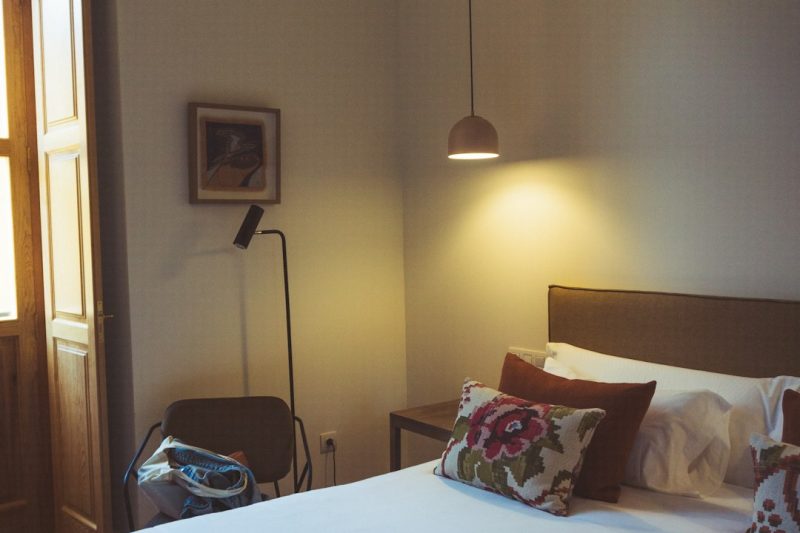
The third indicator is the accommodation itself. A genuine agriturismo has typically converted existing agricultural structures — barns, stables, cellars, outbuildings — into accommodation rather than building new structures. The stone walls, the terracotta floors, the beamed ceilings, and the agricultural artefacts that appear in the renovated spaces are genuine elements of the building’s history rather than decorative additions. The renovation quality varies: some agriturismi maintain extraordinary standards of restoration, working with local craftsmen and traditional materials to produce spaces of genuine beauty; others achieve something more modest but honest.
Regional Agriturismo Traditions
The agriturismo experience varies significantly by region, reflecting both the agricultural traditions of the area and the different ways that rural hospitality has developed. Tuscany has the most developed agriturismo culture in Italy — the combination of international tourism, high-quality wine and olive oil production, and the prestige of the Tuscan landscape has created an enormous range of farm stays, from the simplest to the most luxurious. The Chiantishire phenomenon (the British concentration in the Chianti zone, so dense that it earned the ironic English nickname) has brought both investment and attention to Tuscan agriturismi, with results that range from genuinely excellent restored farmhouses to excessively tourist-oriented establishments that have lost their Italian character.
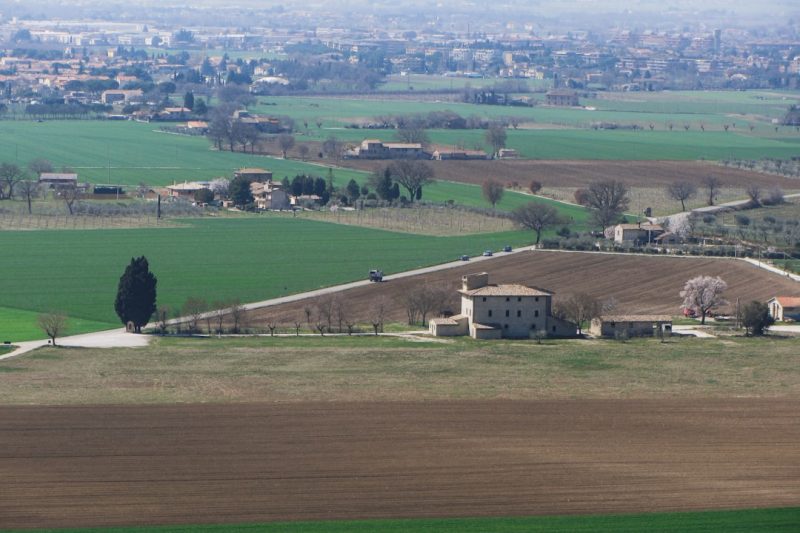
The Umbrian agriturismo is generally less internationally known and more authentically Italian than the Tuscan equivalent: the region’s lower international profile means that its farm stays are more likely to be serving Italian visitors and the local market, and the food tends to reflect the Umbrian tradition (truffles, lentils, pork products, the local olive oil from the Spoleto valley) more directly. The best Umbrian agriturismi — in the hills around Norcia, in the Valnerina, in the area around Assisi and Spello — offer a version of central Italian rural life that the Tuscan equivalent has partly lost to the pressures of international tourism.
The Pugliese agriturismo has a specific character rooted in the masseria tradition — the large, fortified farm complexes of the Puglia interior and coast, built by the Angevins and the Aragonese for agricultural management and defence, which have been converted into some of the most spectacular rural accommodation in Italy. The masseria is larger and more architecturally imposing than the typical Tuscan farmhouse, with its stone walls, its cistern, its chapel, and its tower; the best masserie around Alberobello, Ostuni, and Lecce offer an accommodation experience that is genuinely exceptional in the quality of the architecture and the landscape. The Pugliese food tradition — the orecchiette, the burrata, the ciceri e tria, the fava bean purée with wild chicory — is among the most distinctive in Italy, and the agriturismi that cook it well are among the best places to encounter it.

The Wine Estate Agriturismo
The wine estate agriturismo is a specific and important sub-category of the Italian farm stay: the vineyard property that offers accommodation alongside its winemaking activity, allowing guests to stay among the vines during harvest, participate in tastings, and understand the relationship between the landscape and the wine that comes from it. The wine regions of Italy — the Langhe in Piedmont, Chianti Classico in Tuscany, Valpolicella in the Veneto, the Etna slopes in Sicily — have developed significant agriturismo offerings centred on the winery experience, and the best of these offer not just a place to sleep near a vineyard but a genuine engagement with the process of making wine.
The harvest period (vendemmia) — September and October in most of Italy, though earlier in the south and on the Etna slope — is the most atmospheric time to stay at a wine estate agriturismo. The activity of the harvest, the smell of the fermenting must, the long days in the vineyard, and the communal meals that accompany the harvest work create an experience that the normal hotel stay cannot replicate. Some wine estates offer the opportunity to participate in the harvest — picking grapes is physical work, but it produces an understanding of viticulture and of the wine that drinking alone cannot provide.
The Agriturismo Meal
The most distinctive aspect of the genuine agriturismo experience is the meal: the set menu, typically served communally in a farmhouse dining room or under a pergola, that the hosts cook from their own produce and the local tradition. The meal is not typically a restaurant meal in the sense of individual choices from a menu — it is closer to a family meal, with the same dishes for everyone, cooked in the quantities that the evening requires, and served with the farm’s own wine (sometimes in unlabelled bottles from the cantina, poured from the demijohn).
The agriturismo meal at its best is among the most satisfying eating experiences in Italy: the direct connection between the place, the food, and the people cooking it creates a context that gives the meal a significance beyond the food’s individual qualities. A bowl of pasta made from the farm’s own eggs, dressed with the farm’s own tomatoes and olive oil, eaten at a table surrounded by the fields where those products were grown, has a narrative completeness that the same dish in a restaurant cannot match. The food need not be brilliant — it needs to be honest, seasonal, and produced with care, and those qualities, in the best agriturismi, are reliable.
Practical Notes for the Agriturismo Visitor
The agriturismo booking requires more research than booking a hotel, because the category contains such a wide range of quality and authenticity. The most useful approach is to find recommendations from people who have stayed at the specific property — travel writers, food specialists, guidebook editors with regional expertise — rather than relying on aggregator platforms, which cannot easily distinguish between the genuine farm stay and the rural B&B with an agriturismo licence. Look for properties that describe their agricultural production specifically and with detail; properties that offer meals cooked from their own produce; and properties with a kitchen philosophy that reflects the local tradition rather than a generic Italian menu.
Booking for Sunday lunch is a specific opportunity at many agriturismi: even properties that do not offer full accommodation often open their dining rooms on Sunday for the traditional multi-course lunch, and this is one of the most direct ways for a visitor to encounter the genuine agriturismo food experience without committing to a multi-night stay. Call in advance, as these lunches are often by reservation only and fill quickly, particularly in the wine harvest season and in the spring.

The minimum stay requirement at many agriturismi — a common policy is two or three nights minimum, particularly in high season — is not an obstacle but an invitation: the agriturismo experience requires time to reveal itself. The first evening, you settle in; the second morning, you begin to understand the rhythm of the property — the breakfast with the farm’s products, the walk through the vineyards or olive groves, the afternoon in the landscape; the third day, if you stay that long, you have begun to feel something of what it is to live in this landscape rather than passing through it. This sense of settledness, of belonging temporarily to a place and its rhythms, is what the agriturismo offers at its best, and it cannot be achieved in a single night.