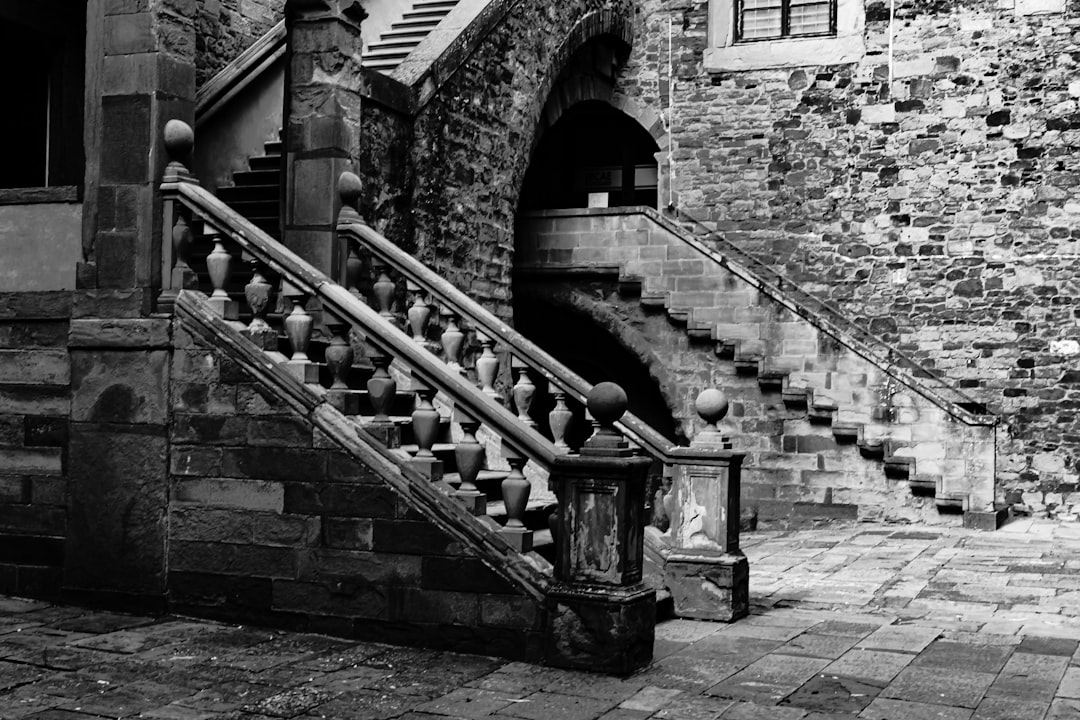
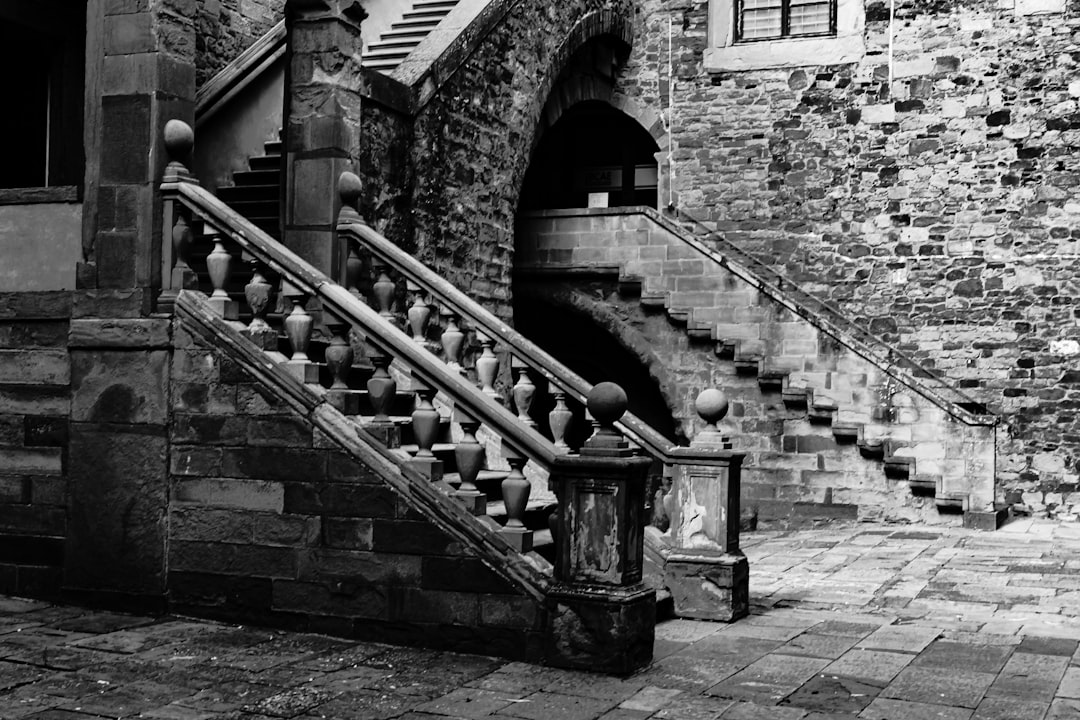
The palazzo hotels of Tuscany occupy a specific category between boutique hotel and museum. The buildings — most dating from the fifteenth through seventeenth centuries, when Florentine and Sienese aristocratic families built the urban residences that still define the historic centres of Tuscan cities — were not designed for hospitality. They were designed for display and for the management of aristocratic domestic life on a scale that modern buildings rarely require. The piano nobile, the principal floor where guests were received and formal life was conducted, has ceilings at four to five metres, frescoed with mythological or heraldic programmes that cost their original owners the equivalent of a small fortune. The cortile, the internal courtyard that provides light and air to the interior rooms, was a place of regulated social encounter. The stone staircase, wide enough for horses in some properties, communicated status through its dimensions.
When these buildings are converted to hotel use, the architecture imposes conditions that purpose-built hospitality cannot. Rooms are irregular in shape and size, because the original room divisions followed the logic of domestic use rather than hotel standardisation. The frescoed ceilings cannot be modified, which means the room below them must accommodate whatever height the fresco requires. The stone floors and thick masonry walls create acoustic properties — deep quiet, the particular resonance of stone corridors — that have no equivalent in new construction.
What to Look For
The range of quality among Tuscan palazzo hotels is wide, and the designation “palazzo” is used freely for buildings that are genuinely historic and for those that are merely old. The distinctions worth making before booking are between properties that have preserved the historic fabric of the building and those that have comprehensively modernised it; between those where the original decoration — frescoes, stone fireplaces, decorative tiling — remains in the guest spaces and those where it has been confined to the common areas as backdrop; and between properties still in the ownership of families with generational connections to the building and those managed by hotel groups for whom the building is primarily a marketing asset.
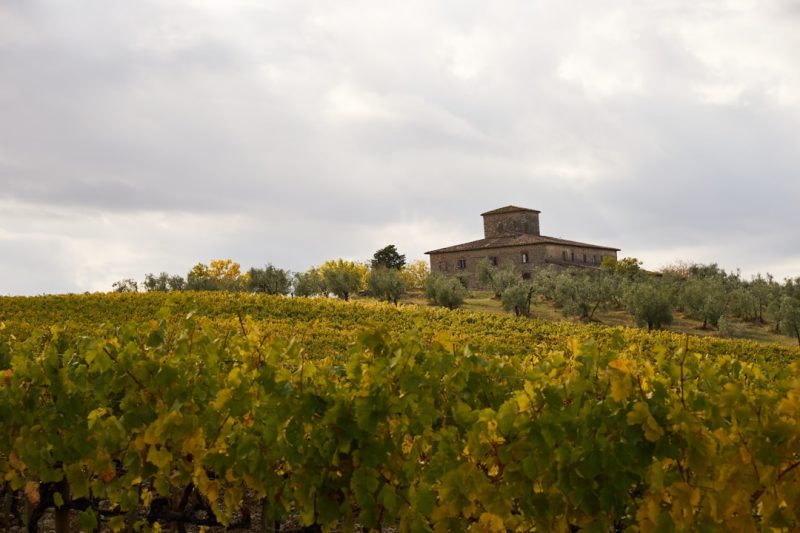
The Chianti region between Florence and Siena has a high concentration of converted farmhouse and villa properties that are loosely marketed as palazzo hotels; many are excellent, but the country villa and the urban palazzo are different experiences. The true urban palazzo hotel — in Florence, Siena, Lucca, or the smaller hilltowns — has a specific quality that comes from the density of the city around it and the history embedded in its location. Walking out of a fifteenth-century courtyard into a medieval street is a different kind of transition than walking from a Chianti farmhouse conversion onto a gravel terrace.
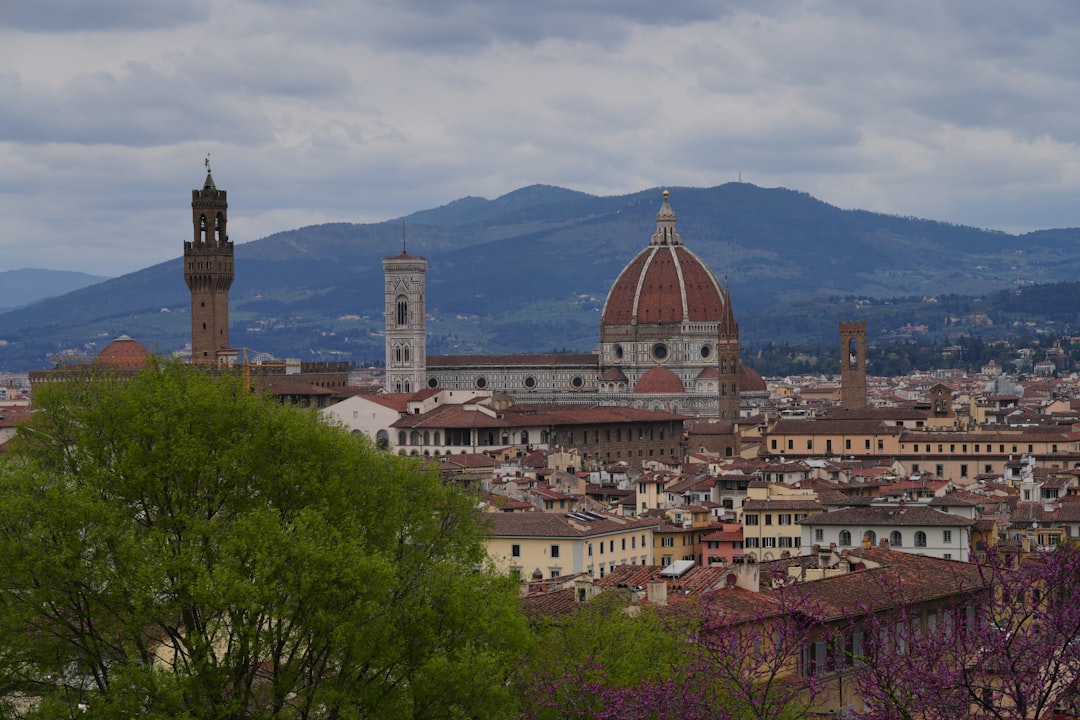
Properties in lesser-visited Tuscan cities — Arezzo, Pistoia, Volterra, Massa Marittima — often offer better value than equivalent quality in Florence or Siena, with the added benefit of being in cities where the historic centre belongs to residents rather than tourists for eleven months of the year. The palazzo in a city of 25,000 that was an aristocratic family’s main residence for 400 years, converted to hotel use without significant alteration of the principal rooms, is a different and in many ways richer experience than the famous names in the more visited destinations.
Photo: Claudio Grande on Unsplash