There is a joke among Italians — not entirely a joke — that Molise does not exist. The smallest and least-visited region on the Italian mainland has spent decades being overlooked, undersold, and occasionally omitted from maps designed by people who ought to know better. And yet here it is: a wedge of the Apennines sandwiched between Campania, Lazio, Abruzzo, and Puglia, rising from a narrow Adriatic shoreline into some of the most dramatic highland terrain in the country.
The irony of Molise’s invisibility is that it preserves the very things that travellers say they want — authenticity, quiet, the sense of a place still living on its own terms — while remaining almost completely off the radar of international tourism. This is a region where seasonal rhythms still shape daily life, where the morning market in a hilltop comune is a social ritual rather than a tourist spectacle, and where the question “where are you from?” is met with genuine curiosity rather than calculated indifference.
Why Molise Fell Off the Map
The short answer involves geography and economics. Molise became a separate administrative region from Abruzzo only in 1963, and it has always occupied an awkward middle ground — too southern to benefit from the northern tourist infrastructure, too northern to be swept up in the romantic rebranding of the deep south. It has no UNESCO-listed city like Matera, no coast with Amalfi’s visibility, no wine producing area with Barolo’s international following.
What it has, instead, is structural honesty. The towns here grew where they grew because the terrain demanded it — perched on ridges for defensive advantage, clustered around springs, oriented toward the sun in ways that tell you everything about centuries of agricultural logic. The built environment was not designed for Instagram. It was built for life, and it shows.
The region also carries a particular demographic melancholy. Like much of inland southern Italy, Molise has experienced significant depopulation since the postwar decades. Some villages that once housed several thousand people now count their residents in the hundreds. The resulting landscape is one of preserved medieval cores without the commercial pressure that tends to sanitize them: no souvenir shops selling miniature Colosseums, no menu boards in four languages, no queue management systems.
The Terrain: Mountains, Valleys, and the Edge of the Adriatic
Molise covers roughly 4,400 square kilometres and its topography is the first thing that surprises visitors who expect a uniformly flat or gentle southern landscape. The Apennine chain runs through the region’s spine, reaching elevations above 2,000 metres in the Mainarde range along the border with Lazio and Campania. These are real mountains — cold in winter, intensely green in summer, threaded with paths that the Samnite shepherds used long before the Romans arrived.
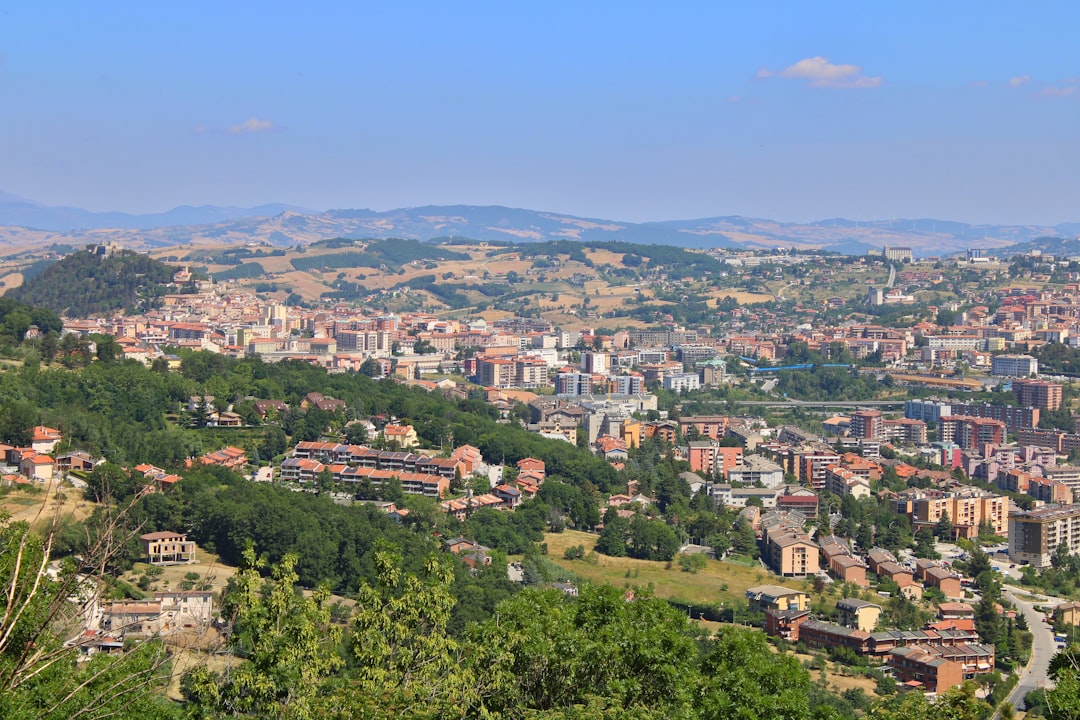
The central plateau areas sit at altitudes between 600 and 1,000 metres, which gives the regional capital a character quite different from the image many visitors carry of southern Italian cities. The air is drier, the light sharper, and the winters genuinely cold — there is a particular quality to the morning light in October that belongs to highland Italy rather than to the Mediterranean coast.
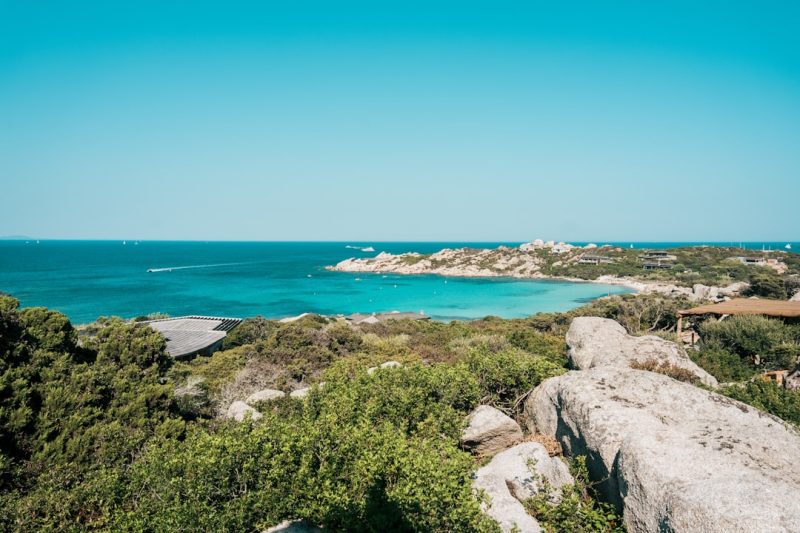
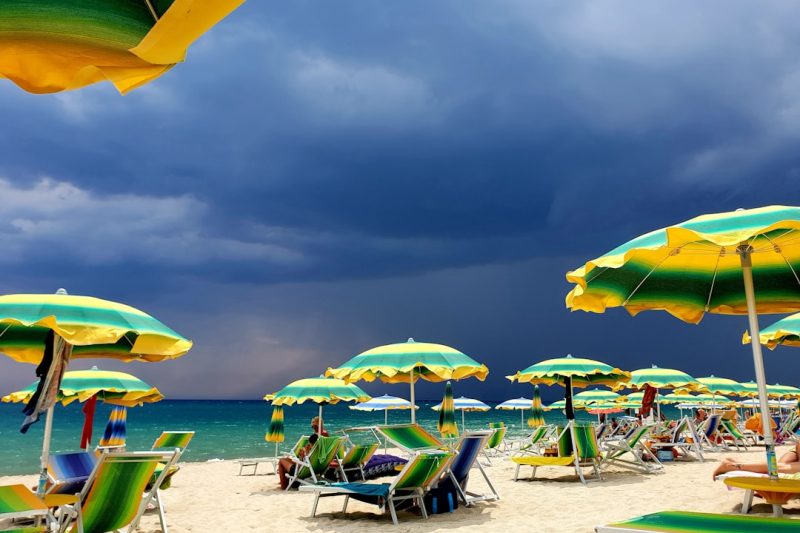
To the east, the terrain drops quickly to the Adriatic. The Molise coastline is among the least developed on the entire Italian peninsula — a narrow strip of perhaps thirty kilometres bordered by railway line and road, but with stretches of beach that see a fraction of the summer visitors who crowd the nearby Abruzzo and Puglia shores. The water quality is consistently high, the facilities basic, and the atmosphere — especially outside the peak weeks of August — closer to what the Italian seaside felt like in the 1970s than to anything you will find in more fashionable coastal destinations.
The Regional Capital: A City That Works
The regional capital sits on a ridge at around 700 metres above sea level and functions with a purposeful everyday rhythm that visitors sometimes find disorienting. This is a city built around its university, its administrative functions, and its surrounding agricultural economy — not around tourism. As a result, the bar scene, the restaurants, the markets, and the daily routines are calibrated to the people who live here, not to those passing through.
The old town centre contains some genuinely remarkable ecclesiastical architecture. There are churches here with Romanesque origins and Norman interventions, with Byzantine-influenced mosaics and baroque alterations that reflect the complicated political history of the region across several centuries. Entry is free, opening hours are posted outside, and the experience of wandering in on a weekday morning and finding yourself entirely alone in a building of this age and quality is something that has become nearly impossible in Italy’s more visited cities.
The streets around the old centre reward extended walking. The scale is human — nothing is very far from anything else — and the progression from the main thoroughfares to the quieter backstreets feels like genuine archaeological layering rather than the managed historical experience offered in more curated destinations.
What to Expect on Arrival
First-time visitors often note that the absence of a tourism infrastructure can feel like a mild administrative inconvenience: information is in Italian, opening hours are not consistently posted online, and the local assumption is that people know what they are looking for before they arrive. This quickly resolves itself into an advantage. When information is not being packaged for export, it tends to be more accurate and more specific to actual local conditions.
Villages Worth the Detour
Molise’s real character lives in its minor settlements. There are approximately 136 comuni in the region, and a significant proportion of them are small enough that a stranger arriving on a Tuesday afternoon will still attract mild, friendly curiosity. This can feel uncomfortable if you are accustomed to anonymity in travel, or deeply pleasurable if you have been looking for something more like an encounter with actual Italian provincial life.
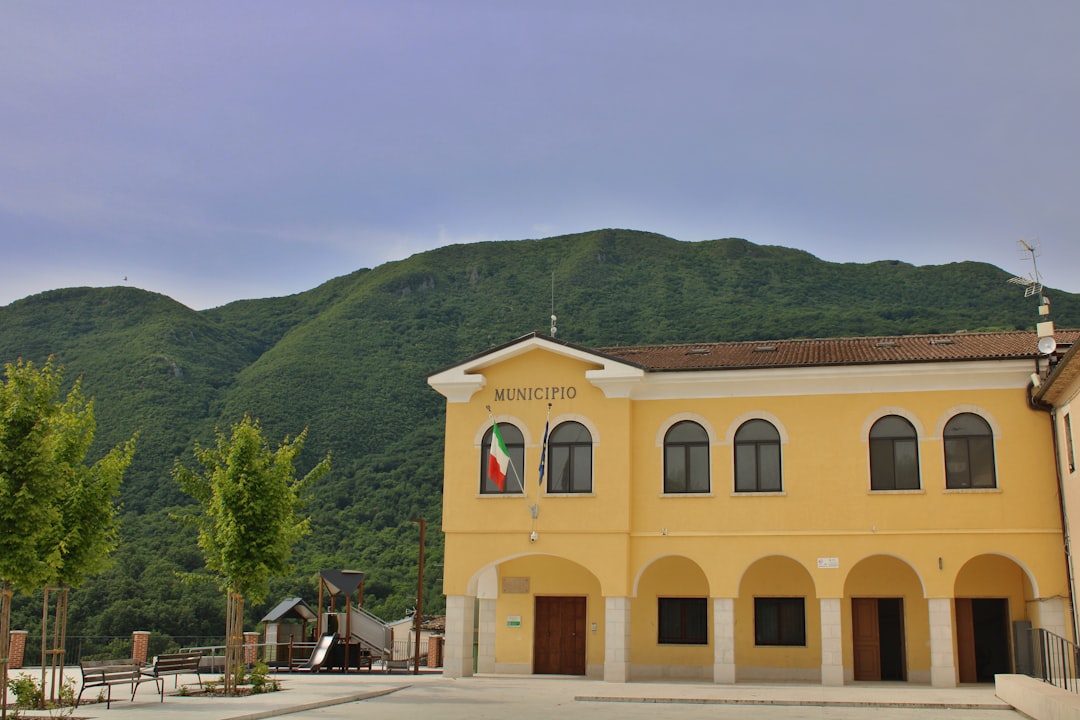
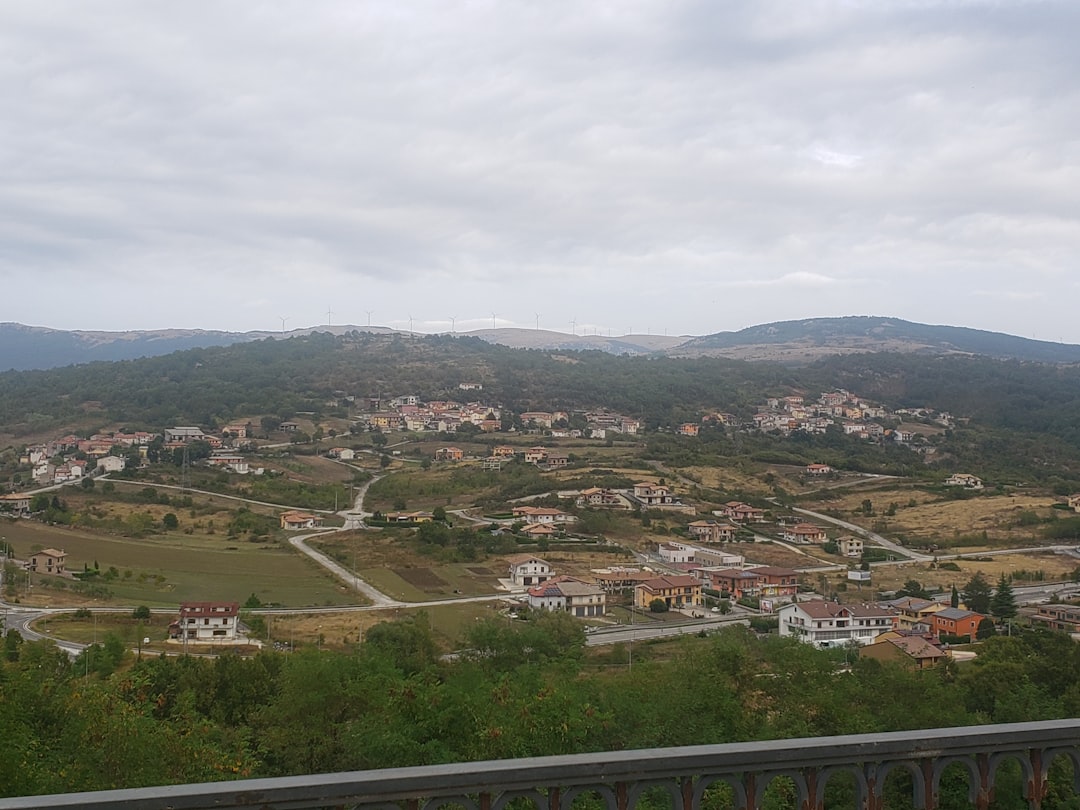
Some of the most photogenic villages occupy ridge positions that make every view from the outer walls look like a composition. The combination of stone construction, tiled roofs, distant valley floors, and mountain backdrop is particularly effective in the late afternoon light of spring and autumn. These are not towns that have been cleaned up for visitors — the cobblestones are uneven, the signage inconsistent, the hours of local bars and food shops governed by local custom rather than published schedules.
One specific characteristic to look for: Molise contains several villages with significant Arbereshe communities — descendants of Albanian refugees who arrived in the 15th and 16th centuries following the Ottoman conquest of their homeland. These communities have preserved elements of language, liturgical practice, and cultural tradition that are genuinely distinctive. The Greek Catholic churches, with their Byzantine-rite interiors, are particularly striking in contrast to the Latin Catholic architecture that otherwise dominates the region.
The Transhumance Landscape
The ancient network of wide drove roads along which enormous flocks moved twice yearly between mountain and lowland pastures is still partially visible in the landscape and forms one of the region’s more unusual heritage features. Some stretches survive as green corridors through otherwise cultivated land, wide enough to have accommodated thousands of sheep moving in slow procession. Walking these routes today, even partially, gives a sense of the scale of the pastoral economy that defined this region for centuries.
The Food: Substance Over Style
Molise’s culinary tradition is perhaps the most direct expression of the region’s character. This is food developed over centuries of hard seasonal labour at altitude — it prioritises sustenance, preservation, and flavour without decorative ambition. The cooking vocabulary is built around preserved meats, dried legumes, hard wheat pasta, fresh vegetables in their season, and the kind of slow-cooked sauces that develop flavour over hours on a low flame.
The pasta traditions here deserve particular attention. Varieties of handmade pasta made from durum wheat semolina appear in forms specific to this region — some share names with shapes found elsewhere in southern Italy but are made with slight variations in technique that produce a meaningfully different texture. The rolling and shaping is typically done by hand, and the resulting surface catches sauce in ways that smooth commercial pasta cannot replicate.
Lamb and goat figure prominently in the meat traditions, reflecting the pastoral history of a region where seasonal movement of flocks shaped both the economy and the landscape for millennia. The cooking methods are long and patient: braising with local white wine, rosemary, and garlic; or roasting over wood fires that produce dark, flavourful exteriors and tender interiors. For those who arrive expecting the seafood-dominant cuisine of coastal Campania or Sicily, the flavour profile here comes as a genuine surprise.
What to Order, Season by Season
In spring, look for dishes built around wild herbs and greens gathered from the hillsides — the bitter edge of foraged ingredients pairs naturally with the richness of preserved meats and aged cheeses. Summer brings fresh vegetables at their peak, used with a simplicity that lets quality do the work. Autumn is truffle and mushroom season in the forested highland areas, and the tables in local establishments shift accordingly. Winter cooking is the most uncompromising: thick soups with dried legumes and pasta, slow braises, and the caloric density that cold altitude living demands.
Expect to spend in the range of €15-25 per person for a full meal with wine in a local establishment, depending on the number of courses.
Getting There and Moving Around
Molise is one of the more challenging Italian regions to navigate without private transport, which may be part of why it sees so few visitors. Rail connections exist but are infrequent, operating on schedules designed more for commuters than for tourists. The regional bus network covers most settlements but operates on timetables that require careful advance planning.
By car — or, increasingly, by motorcycle — the region is extremely rewarding. The state roads that thread through the mountain valleys and along the ridge lines between villages are among the most beautiful driving routes in southern Italy, with consistently light traffic outside the brief summer peak. The distance from Rome is approximately 250 kilometres to the regional capital, making the journey manageable as a long day trip or a short weekend. From Naples, the connection is shorter but the routing more complex.
When to Go
The optimal windows for visiting Molise are late spring (May to June) and early autumn (September to October). Summer in the mountains is genuinely pleasant — cooler than the coastal areas, with long evenings and relatively low humidity — but August brings the Ferragosto effect: Italians from nearby cities arrive for their own holidays, the dynamic shifts, and accommodation in the better-known villages fills quickly.
Spring arrives later here than in the coastal south. The wildflower season in the highland meadows peaks in late May and June, when the combination of altitude and rainfall produces a floral density that feels almost excessive — entire hillsides running purple with orchids and yellow with broom.
October and early November bring the mushroom season, the olive harvest in the lower valleys, and the particular quality of light that makes photography in this landscape feel almost effortless. The tourist presence is minimal, the local rhythms are reasserting themselves after summer, and the temperatures — cool but not cold — make extended walking very comfortable.
Winter is cold, often snowy above 800 metres, and very quiet in the smaller villages. For those who find that appealing, the region in January or February offers something close to genuine solitude in historic places — a combination that has essentially ceased to exist in most of Italy’s more visited destinations.
The Quiet Appeal of Being Overlooked
There is a particular pleasure available in Molise that is hard to find in more celebrated destinations: the pleasure of arriving in a place where your presence has not been pre-processed, monetised, and rendered legible through years of tourist infrastructure. The bar owners have not switched to English menus. The food at the local restaurant has not been adjusted to accommodate northern European palates. The pace of the day has not been recalibrated around the needs of visitors.
This will change, eventually. Places with the combination of architectural quality, landscape beauty, natural food tradition, and complete absence of crowds that Molise currently offers tend not to stay invisible forever. But the tipping point is still some distance away, and the window for experiencing the region before it does is open for those who decide to move.
The Italians’ joke about Molise not existing is, in the end, a kind of protective fiction — the reflex of a culture that knows its most valuable things are often the ones least visible to outsiders. The region is there, it is waiting, and it has been keeping its own counsel for a very long time.