The standard travel recommendation for Italy — “avoid July and August, go in spring or autumn” — is correct but incomplete. Spring and autumn in Italy are genuinely different seasons with different qualities, and the choice between them should be made on the basis of what you actually want to do and see rather than an undifferentiated preference for “shoulder season.”
The differences are substantial. Spring food is different from autumn food. Spring light is different from autumn light. Spring weather is less reliable than autumn weather. Autumn brings the harvest, the wine production, the new olive oil, and the truffles. Spring brings the new vegetables, the wildflowers, the lambing season, and the first asparagus. Both are better than summer for extended outdoor activity, but in different ways. Choosing between them is not a matter of splitting differences.
The Case for Spring (March–May)
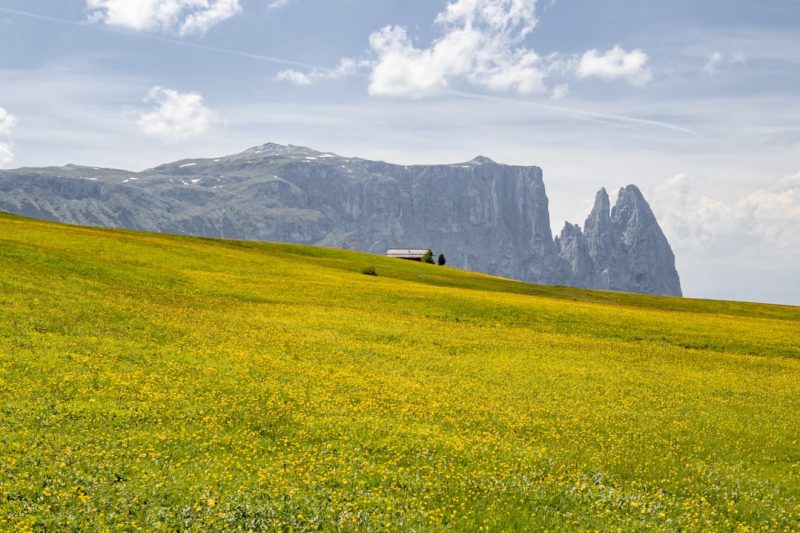
Spring in Italy arrives from the south in February and moves north through March and April. By April, the south is warm, the north is pleasant, and the Alpine foothills are transitioning from ski conditions to early hiking. The landscape is at its greenest — the famous Tuscan hills, the Umbrian valleys, the Pugliese plains — at peak colour before the heat bleaches them. Wild flowers are everywhere in the uncultivated margins of agricultural land. The light is clean and cool.
Spring food is defined by what is first available: wild asparagus from the Umbrian hills in March, artichokes from Rome and the Lazio coast from February through May, the first broad beans (favette) in April, peas, new garlic, spring onions. The Easter lamb roasted with herbs is the ritual marker of the season in central and southern Italy. The new olive oil pressed the previous autumn is still at its freshest and most characterful.
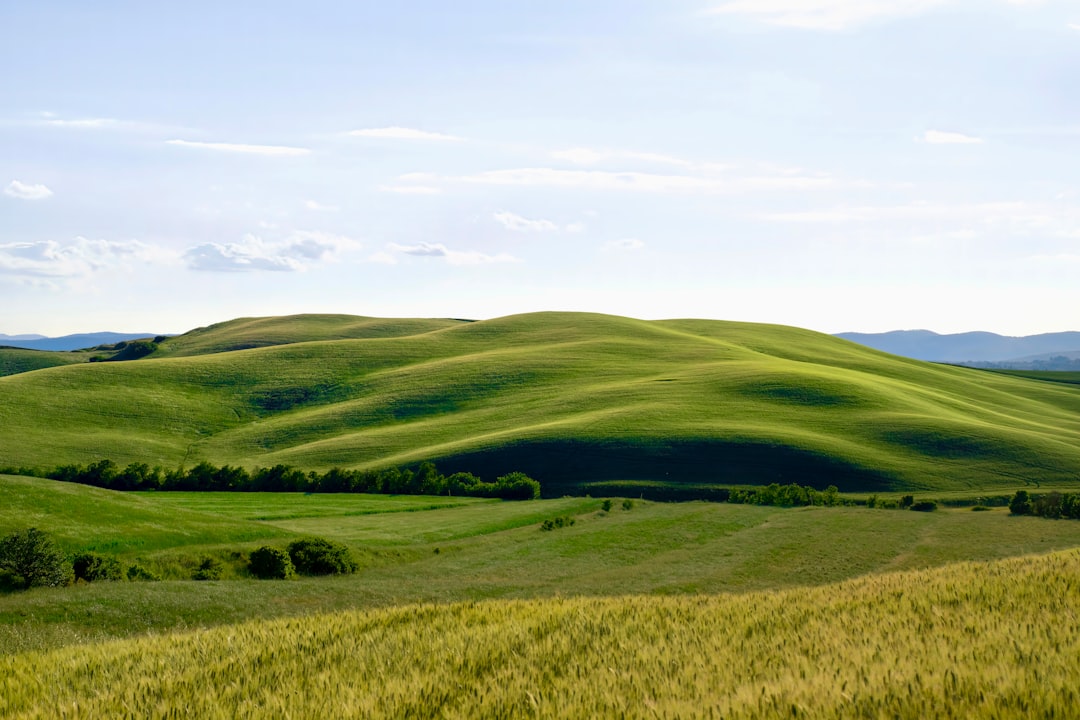
The limitation of spring is weather uncertainty. March and April can produce genuine rain in northern Italy and the mountains, which is fine for city visits but can complicate outdoor activities. May is generally reliable across the country. Easter week brings significant domestic tourism and can crowd the most visited sites even though the overall volume is lower than summer.
The Case for Autumn (September–November)
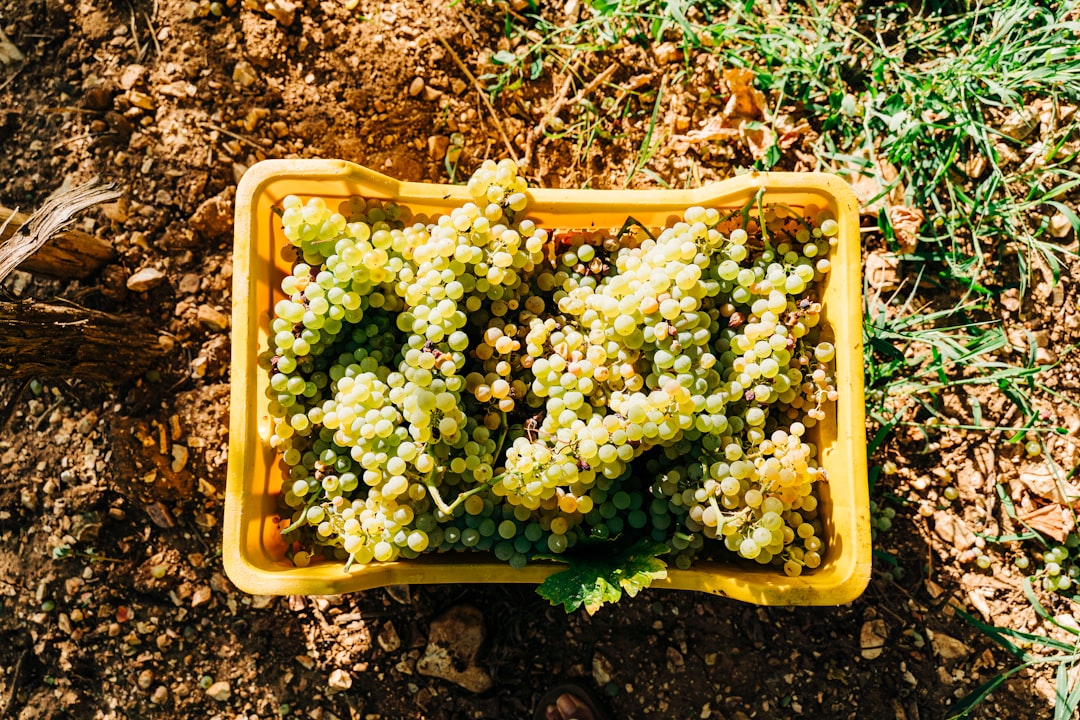
Autumn’s advantages are cumulative and specific. September is still warm throughout Italy — effectively an extension of summer without the peak crowds of July and August. October brings the harvest: grapes, olives, chestnuts, the white truffles of Alba (from late September), the black truffles of Norcia and Spoleto (October through December). November is the new olive oil season: the first pressing, still cloudy and intensely peppery, is available directly from mills across Tuscany and Umbria.
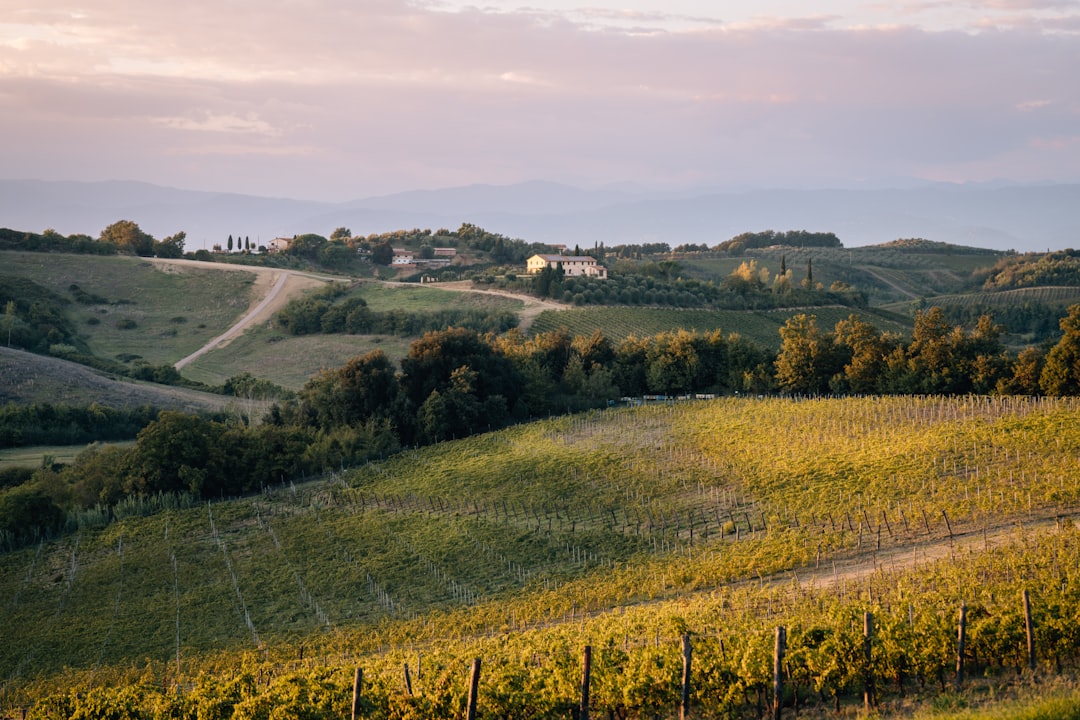
The autumn light in Italy is different from spring light in quality rather than quantity. Lower sun angles create stronger shadows, warmer tones, and the particular quality of raking light across stone and hillside that makes autumn photographs from Italy consistently dramatic. The hill towns of Tuscany and Umbria, photographed in October afternoon light, deliver what the spring photographs promise but with a warmth that the cooler spring light cannot always supply.
The autumn harvest season is also the most socially alive period in agricultural Italy. Cantinas hold harvest events; local festivals celebrate specific products; the agricultural year reaches its visible climax. If food and wine are the reason for the trip, autumn is the unambiguous choice.
The Practical Summary
For landscape photography and wildflower walks: spring (April). For wine and food tourism: autumn (October). For archaeology and museums: either season, though spring tends to be less crowded at the major sites. For hiking: both seasons work for most altitudes; the high Dolomites and Apennines are best from July through September, but spring and autumn are ideal for the lower-altitude routes. For city breaks in Florence, Rome, or Venice: spring or autumn are both good, though November in Venice has a particular melancholy quality — the aqua alta season begins, the tourists are largely gone — that is worth experiencing on its own terms.
Photo: Gabriella Clare Marino on Unsplash