A menu at a neighbourhood trattoria begins with antipasti at the top and ends with caffe at the bottom. This is not merely a layout convention — it is the sequence of the evening. The Italian menu follows the progression of the meal rather than grouping food by price point or protein type: antipasti first, then primi, secondi, contorni, formaggi, dolci, caffe. Reading top to bottom is reading the meal in order. Understanding what each section contains and how they relate to one another is the minimum required to order well.
Antipasti
The antipasto section contains everything that comes before the first course — the food designed to open the meal rather than constitute it. In coastal areas, this typically means raw or lightly cooked seafood: raw prawns, oysters, marinated anchovies, octopus salad, fried small fish. In the meat-producing regions of Emilia-Romagna, Piedmont, and Tuscany, it means cured meats: prosciutto, salame, mortadella, lardo. In Umbria and central Italy, it often means grilled or roasted bread (bruschetta, crostini) with toppings of liver pate, black truffle paste, or white beans. Vegetable antipasti — roasted peppers, grilled aubergine, pickled vegetables — appear throughout the peninsula.
The word bruschetta, note: in Italy, it is pronounced broo-SKET-ta (the ch sounds like k), with grilled bread rubbed with garlic and olive oil as its base form. Additional toppings are variations on this, not the definition of it. The mispronunciation “broo-SHET-ta” is a useful marker for menus translated for international audiences.
Primi
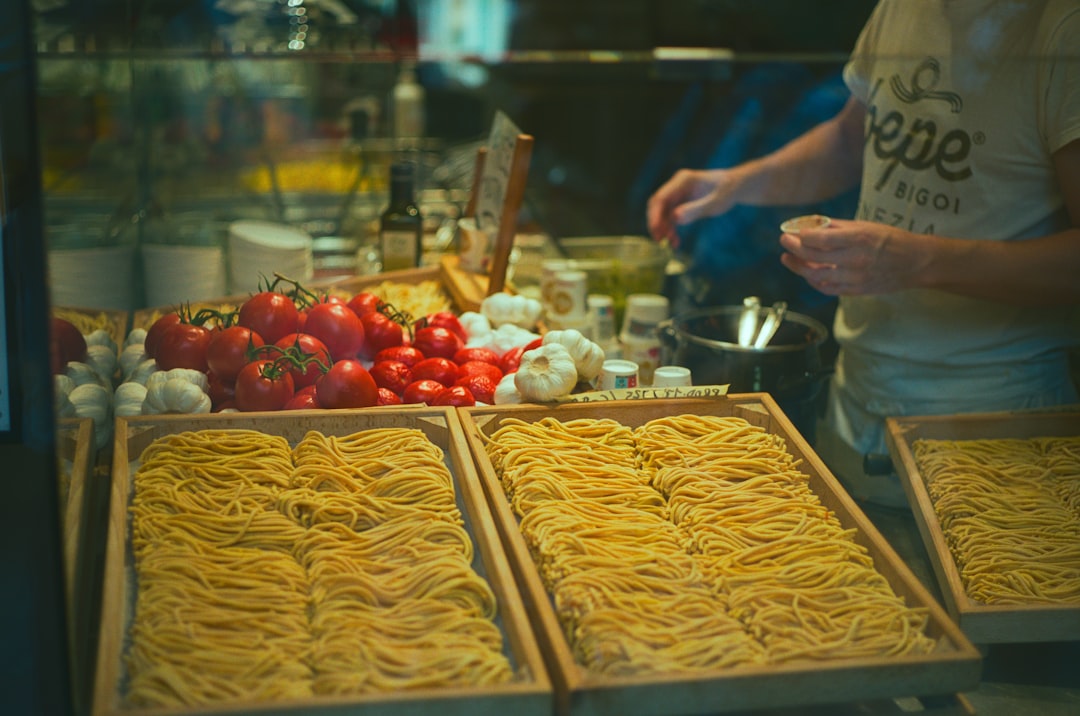
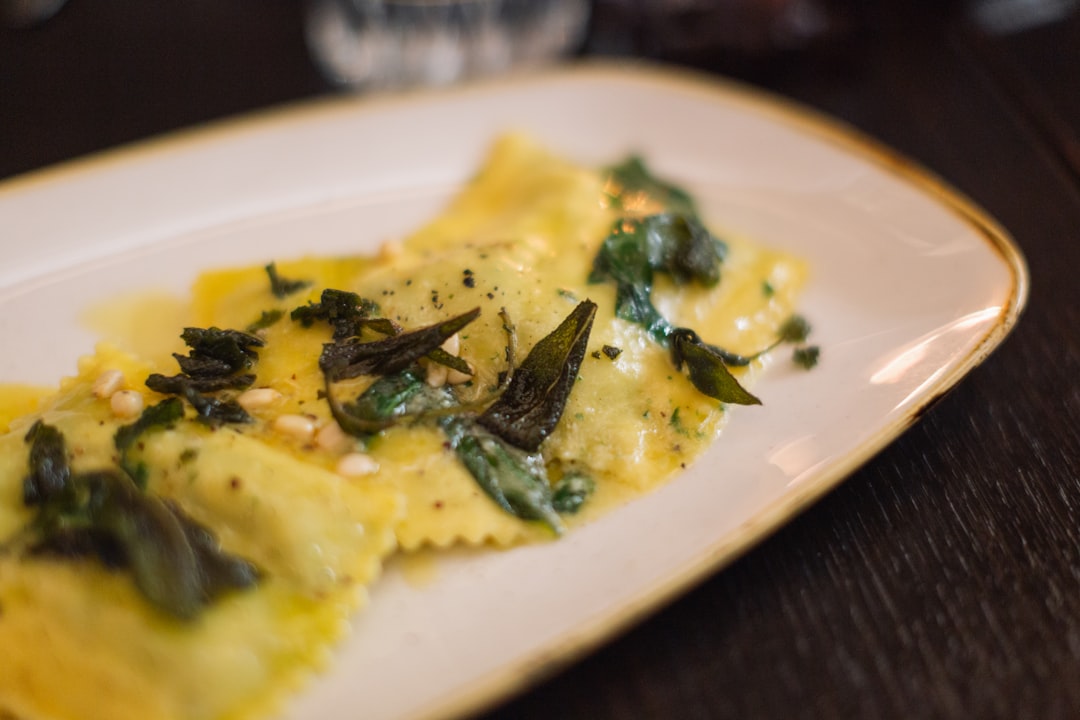
The primo piatto is the first substantial course: pasta, risotto, gnocchi, polenta, or soup. It is a starch course, and in most of Italy it is the course that most clearly expresses regional identity. In Bologna, the primo is almost certainly tagliatelle al ragu — not spaghetti bolognese, which does not exist in Bologna. In Rome, it is cacio e pepe or carbonara. In Venice, it is risotto al nero di seppia (cuttlefish ink risotto) or spaghetti with clams. In Sicily, it might be pasta alla Norma (aubergine and ricotta salata) or pasta con le sarde (sardines, wild fennel, pine nuts, raisins).
The primo section of a menu in a region-conscious restaurant will tell you where you are and what the season is. A well-made primo at a regional trattoria is usually the safest and most revealing single dish to order on a first visit.
Secondi and Contorni
The secondo is the protein course: meat, fish, or offal. In Italian restaurant culture, the secondo arrives without accompaniment — no vegetables, no starch on the plate. The contorni (side dishes) are ordered separately and may not arrive simultaneously with the secondo; this is normal, not a service failure. Order the vegetable you want alongside the meat or fish, and accept that it may appear slightly before, during, or after the protein.
The fish secondo on coastal menus is typically described by species rather than preparation method: branzino (sea bass), orata (sea bream), ricciola (amberjack), rombo (turbot). The preparation — grilled, baked, in acqua pazza (poached in tomato and herb broth) — is usually specified. Asking the waiter for that day’s freshest fish is standard and always appropriate.
Formaggi, Dolci, and After
The cheese course appears on the menu after the secondi and before the dolci. In many Italian restaurants, it is not prominently featured but can be requested. Regional cheeses served at room temperature, with honey or mostarda, at this point in the meal represent Italian cheese culture at its most honest — not a starter cheese board in the Franco-British manner, but a considered fourth course eaten when the palate can appreciate subtle flavours.
The amaro — bitter digestive liqueur — that ends a serious Italian meal is not on most restaurant menus, but is available if requested. Amaro Nonino, Amaro Montenegro, Fernet-Branca, Cynar, or whatever the house stocks: a small glass of amaro after caffe is the Italian meal’s final punctuation, the signal that the evening is truly concluded.