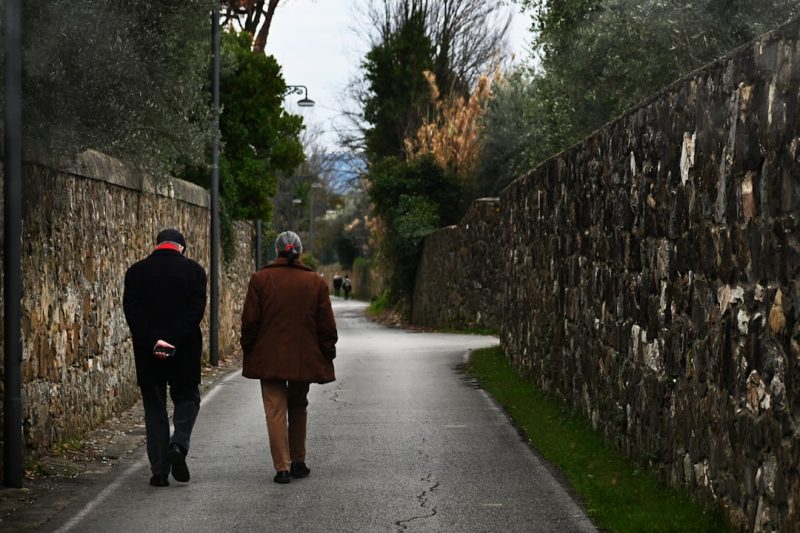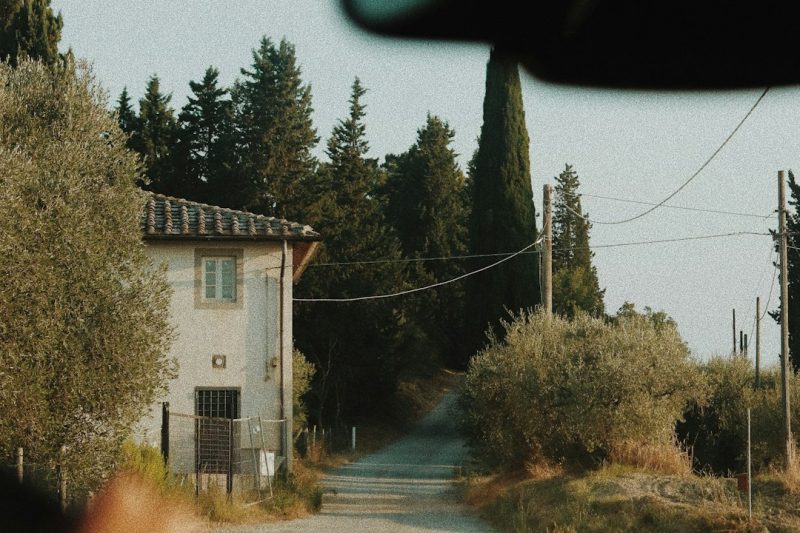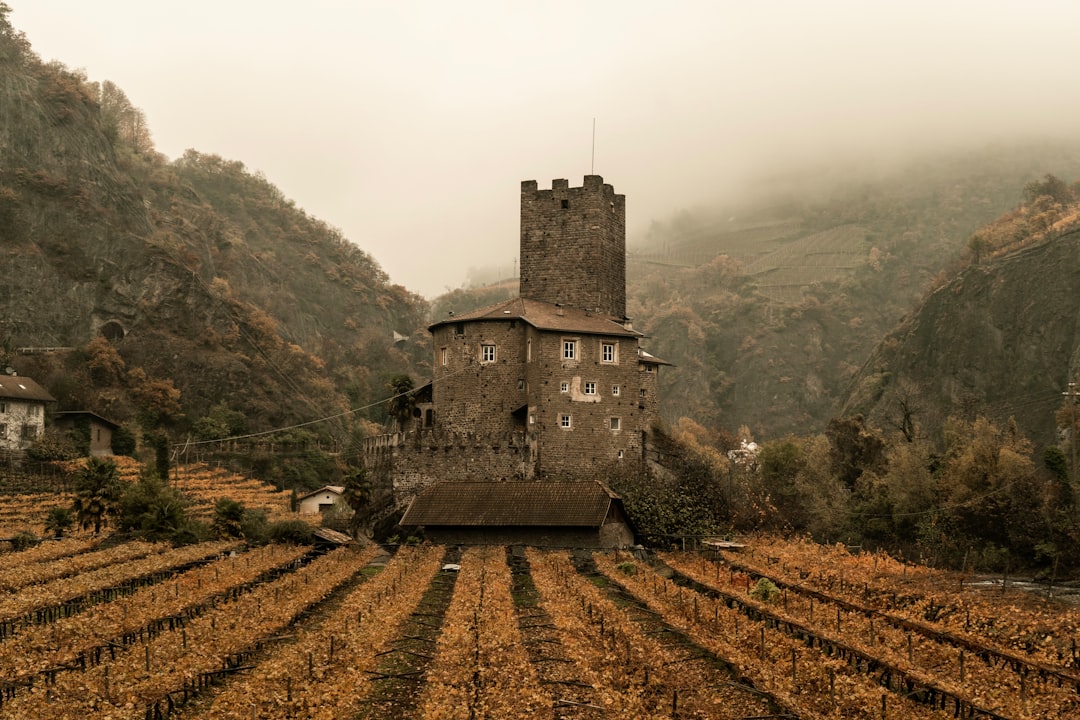
Ask any Italian when they take their own Italian holidays, the ones to which they bring the knowledge of residents rather than the enthusiasm of first-time visitors, and a significant proportion will say October. The reasoning is cumulative. The Mediterranean coast is warm enough to swim — the sea temperature in October in Sicily or Puglia is higher than it is in northern Europe in July. The tourist infrastructure is present but not overwhelmed. The light has the quality of late summer in a lower sky. And the food, which most Italians consider the primary argument for being in any place, is at its annual peak.
October is harvest month across most of Italy. The grape harvest in most zones runs from late September through mid-October; the olive harvest follows from October through December. The chestnut harvest in the Apennine and Prealpi forests is at its peak. White truffles are appearing in the Langhe, the Monferrato, and central Italy from late September. Porcini mushrooms follow the first autumn rains. Late-season tomatoes — particularly the dried and preserved tomatoes of the south — are at their most concentrated. The combination of these things in a single month creates a food calendar that no other season in Italy matches.
The Weather Calculus
October weather in Italy is not guaranteed — no month’s weather anywhere is guaranteed — but the statistical reliability is better than most autumn months in northern Europe. The south and the islands (Sicily, Sardinia, Calabria, Puglia) are reliably warm, with average temperatures in the high teens to low twenties Celsius and the Mediterranean at 22-24 degrees. Central Italy (Tuscany, Umbria, Lazio) is cool in the mornings and evenings, warm in the middle of the day, with occasional rainfall that clears quickly and leaves the air exceptionally clean. The north is more variable: October in Venice or the Po valley can be foggy and damp or crystalline and cold, and the odds are less predictable.
Rain in October in central Italy is actually an asset for certain activities. Truffle and porcini growth requires moisture in the soil; the first autumn rains trigger the fruiting of the fungi that truffle hunters track, which means the rainy weeks of October are specifically the weeks when the best markets and the freshest truffles are available.
What October Specifically Offers
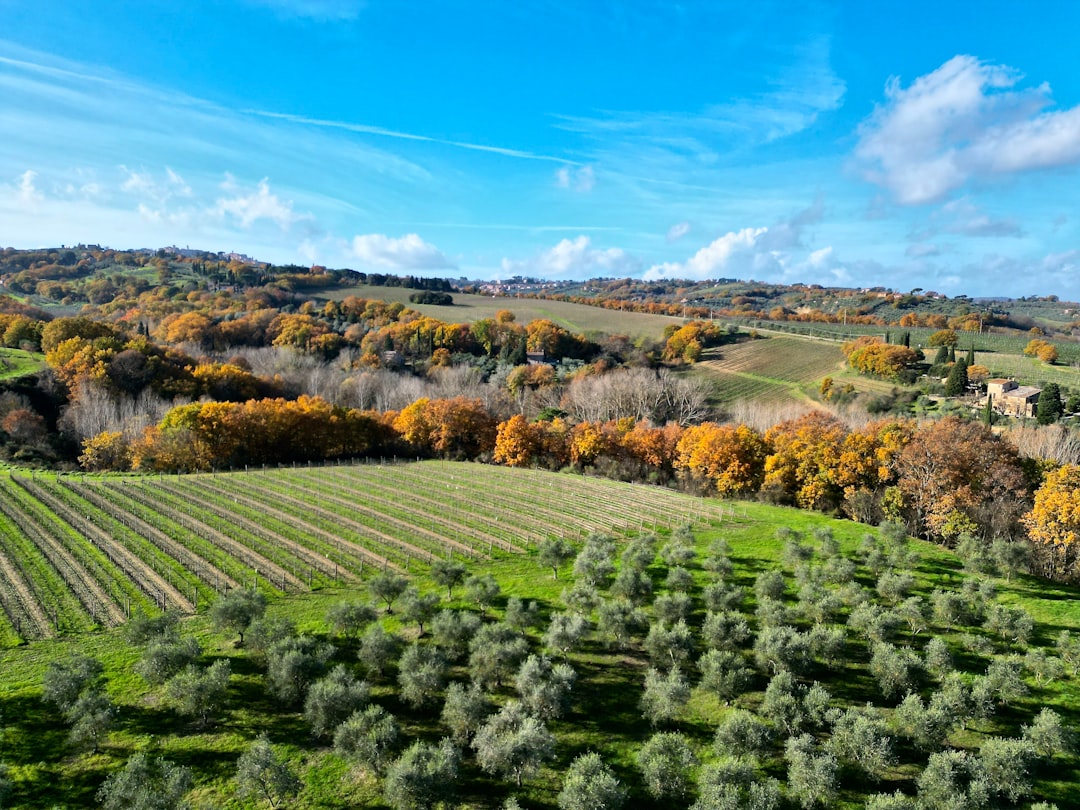
The olive harvest, which begins in earnest in October in Tuscany and Umbria and continues through November, is one of the best agricultural participatory experiences available in Italy. Many estates with agriturismo accommodation offer guests the opportunity to join the harvest — hand-picking from the nets spread under the trees, then following the olives to the press and tasting the new oil cloudy and intensely peppery straight from the separator. The new oil (olio nuovo) of November, poured on toasted bread for the bruschetta that is the canonical harvest celebration, has a flavour of such immediacy that it is almost impossible to understand from tasting the same oil a year later.
The wine estates of Chianti Classico, Montalcino, and Montepulciano are in the middle of their own harvest through October — a different rhythm from the olive harvest but equally involving for those who choose to be present. October in the Langhe means the white truffle season in full production: the restaurants of Alba and Bra are serving tajarin al tartufo, risotto al tartufo, uova al tartufo (fried eggs with truffle shaved over them), and the simple frittata with truffle that is the cook’s private test of the year’s product before it goes to the restaurants.
Come in October for the food above all — the harvest season provides a calendar of specific reasons to be in specific places at specific times that no other month can match. The sea is still warm enough to swim. The museums are not at capacity. The trattorie are cooking for their regulars rather than a tourist market. The photographs you take will look like the photographs in the travel magazines. The food will taste better than the photographs suggest anything could.