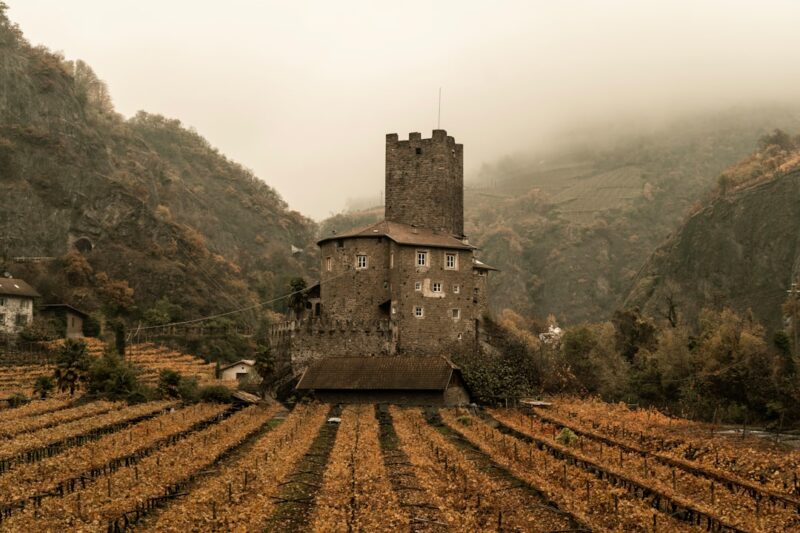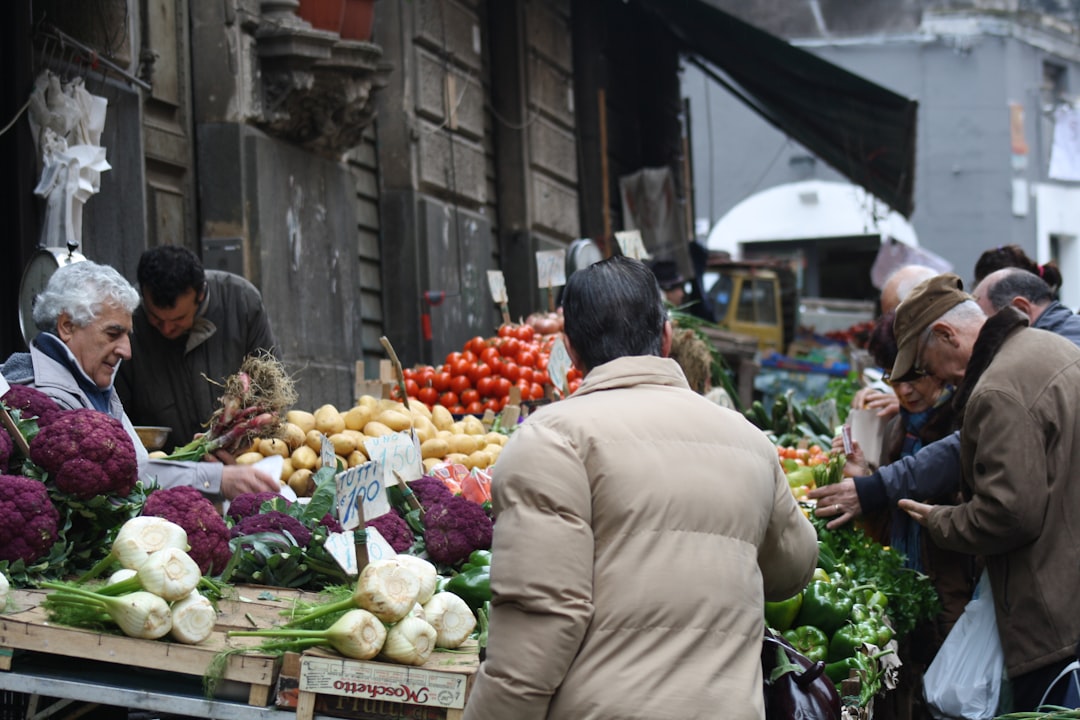
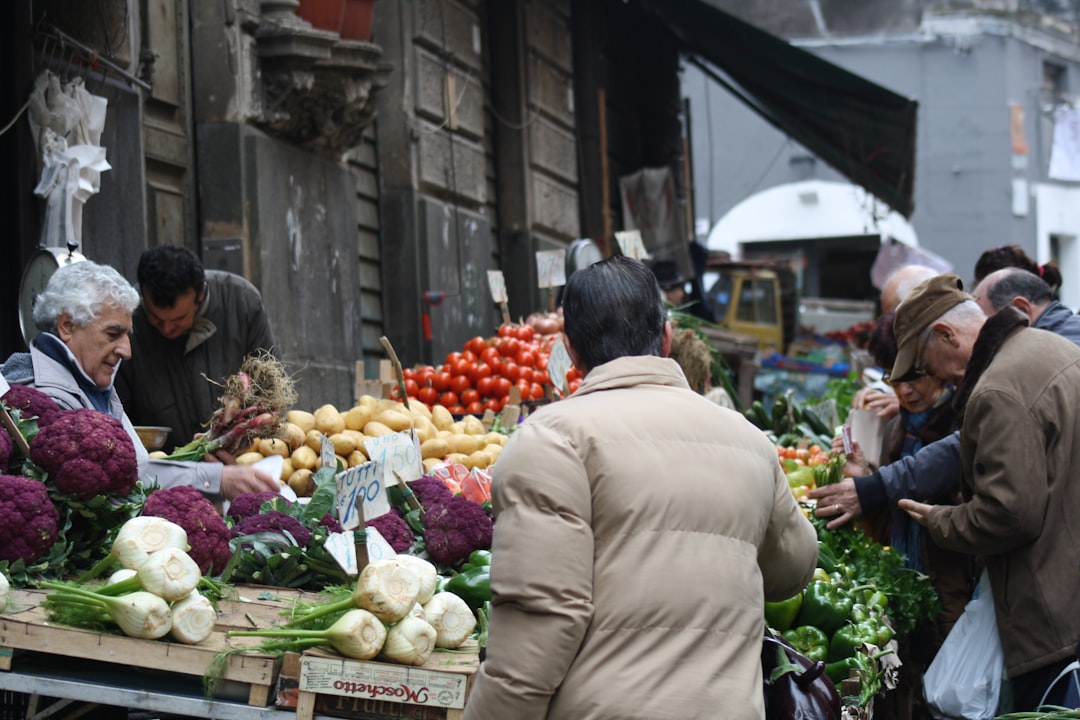
The Rialto market in Venice has been a tourist attraction since the Grand Tour. The Campo de’ Fiori in Rome has more restaurants and bars surrounding it than food stalls. These are legitimate markets that function as they always have, but their audience is now substantially composed of visitors photographing the produce rather than residents buying it. The experience they offer is real but partial — you are observing a market culture from outside it rather than participating in it. (See also: The Aperitivo Hour) (See also: How to Eat Like an Italian)
The markets worth going out of your way to find are the ones that tourists have not yet found, or have found but not overwhelmed. They have specific characteristics: a majority customer base of local residents, a composition of stalls dominated by regional produce rather than tourist-adjacent souvenirs, stallholders who know their regular customers by name and have opinions about the quality of that week’s artichokes. They are also, almost always, more interesting to eat at and around than the famous alternatives.
The Markets Worth the Journey
The Mercato di Capo in Palermo is the largest and most atmospheric street market in Sicily. It occupies a dense network of streets in the old Arab quarter north of the Teatro Massimo, beginning before dawn when the fishmongers arrive with the night’s catch and continuing through mid-afternoon. The produce is emphatically Sicilian: blood oranges from Catania in winter, Bronte pistachios in autumn, capers from Pantelleria, the small local aubergines that appear in midsummer. Street food is sold from temporary stalls — panelle (chickpea fritters), sfincione (the Sicilian thick-crust pizza), boiled offal for those who want it. The noise and density of the market require a calibration period of about twenty minutes before the individual stalls and their quality become distinguishable.
The Porta Palazzo market in Turin is the largest open-air food market in Europe — or claims to be, and the scale supports the claim. It operates Tuesday through Saturday on a piazza north of the city centre, with a permanent covered section for meat, fish, and dairy, and an enormous open-air section for produce, clothing, and household goods. The produce section reflects the Piedmontese agricultural calendar with remarkable fidelity: the cardoons and white truffles of autumn, the Cuneo leeks in winter, the first summer peaches from the Po valley, the red peppers and Carmagnola sweet peppers of August. The multilingual character of the market — Turin’s immigrant communities from North Africa, East Asia, and Eastern Europe all shop here — gives it a social density that purely local markets sometimes lack.
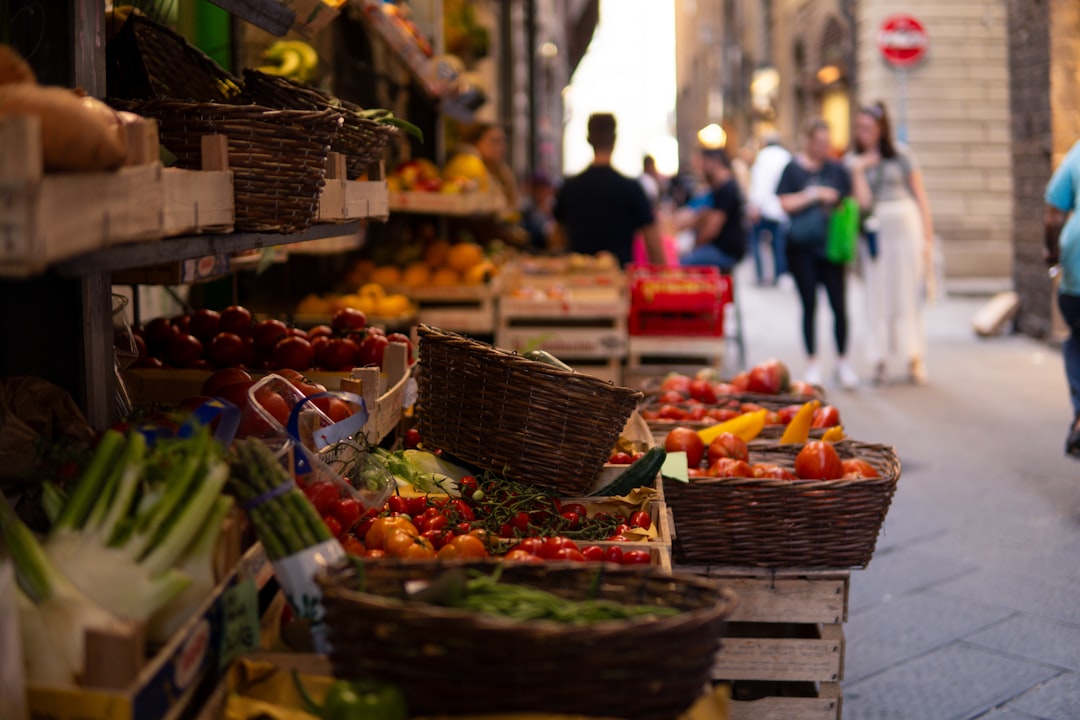
The Mercato di San Benedetto in Cagliari — the largest covered market in Italy — has been discussed elsewhere in this issue. Its scale and quality make it worth the journey from the beaches of the Sardinian coast that most visitors to the island prioritise.
The Ballarò market in Palermo, smaller and more residential than the Capo, occupies the ancient Arab quarter around the Chiesa del Carmine and is the daily market for the neighbourhood rather than a destination market. Its food quality is high and its prices are demonstrably lower than the Capo’s tourist-adjacent prices. Arrive by nine in the morning.
The Friday market in Spoleto, which spreads along the flat terrain below the historic centre, is primarily a produce market for the surrounding Umbrian countryside. The autumn versions, when the truffles of the Valnerina are on sale alongside fresh mushrooms and last-harvest tomatoes, justify a specific journey.
How to Use a Market Well
The most useful approach to any Italian food market is to arrive early, walk the full extent before buying anything, and observe what the regular customers are buying. The produce that the local residents are choosing — often the items that are not the most visually striking — is invariably the best seasonal quality. Ask questions where the stallholder is not overwhelmed: what is the provenance of that specific variety, how should it be cooked, what is the best thing in the market this week. The answers are usually informative and sometimes revelatory.
Photo: Melanie Vaz on Unsplash