Amarone della Valpolicella is made by a technique that has no direct equivalent in the world’s other major Italian wine regions: the drying of harvested grapes for several months before pressing and fermentation, concentrating the sugars and flavours in the fruit to produce a wine of unusual richness, depth, and longevity. The wine that results from this appassimento process — the word means “the withering” — is not a fortified wine (no alcohol is added) but a wine of naturally high alcohol, typically 14-17%, produced from grapes whose sugars have been concentrated by the removal of water during the drying period. The technique is ancient and specific to the northeastern corner of Italy, particularly the hills of the Valpolicella zone north of Verona.
Amarone’s international recognition has grown substantially since the 1990s, when it moved from a regional speciality known primarily to aficionados of Italian wine to a globally marketed product whose name appears on wine lists worldwide. This recognition has brought both benefits (increased investment in quality, greater availability of well-made examples) and costs (the proliferation of mediocre versions produced for volume markets, the dilution of the specific character that made the wine interesting). Understanding what distinguishes the genuinely traditional Amarone from the commercial versions requires knowing what the traditional production method entails.

The Appassimento Process
The drying of the grapes for Amarone takes place in the fruttai — the drying lofts of the Valpolicella estates, typically well-ventilated rooms in the cellar buildings where the grapes are spread on bamboo racks or in small plastic crates and allowed to dry slowly. The drying period runs from harvest in late September or early October until pressing, which for the best traditional producers does not happen until January or February of the following year — a period of three to four months during which the grapes lose 30-40% of their weight through evaporation of water.
The conditions of the drying loft are critical: the ventilation that prevents botrytis (noble rot) and other fungal development while allowing controlled water loss must be carefully managed through the autumn and winter months. The botrytis risk is real and has a significant effect on quality: small amounts of noble rot (as in Sauternes) can add aromatic complexity; substantial botrytis infection produces a different wine entirely. The best Valpolicella producers manage the drying process with an attention to temperature, humidity, and airflow that is directly comparable to the cave-ageing management of the best Parmesan producers.
The dried grapes — now concentrated in sugar, acid, and flavour compounds — are pressed in late January or February. The fermentation that follows is slow and extended, because the high sugar concentration requires time and careful temperature management to achieve complete or near-complete fermentation. The term “Amarone” derives from “amaro” (bitter), distinguishing it from the sweet Recioto della Valpolicella (the same dried-grape wine that was not fermented to dryness — the traditional sweet version that historically preceded Amarone when a fermentation was accidentally taken to dryness and the result was found to be good).
The Grape Varieties: Corvina and Its Partners
The principal variety of Amarone is Corvina Veronese, a thick-skinned, dark-berried variety that dries well (the thick skins resist dehydration that would damage thinner-skinned varieties) and produces wines of considerable tannic structure and aromatic complexity when dried. The regulations of the Amarone della Valpolicella DOCG require Corvina to constitute 45-95% of the blend, with Corvinone (a related variety, sometimes used as a substitute for Corvina), Molinara, and Rondinella as permitted additions.
The difference between Corvina and Corvinone is increasingly important in the Valpolicella discussion: Corvinone, a larger-berried variety with a different structural profile, dries differently from Corvina and produces wines of different character. Some producers use more Corvinone in their Amarone blends in certain years when its drying characteristics give better results; others insist on high Corvina percentages as a quality principle. The debate has no settled resolution, and the best argument for any producer’s approach is the wine in the glass.
Traditional vs. Commercial Production
The distinction between traditional Amarone and the commercial versions that have proliferated with the denomination’s international success is detectable in the wine’s character. Traditional Amarone — from the classic Valpolicella Classico zone (the historic hills of Fumane, Marano, Negrar, Sant’Ambrogio, San Pietro in Cariano), with extended drying periods, long fermentation, and ageing in large Slavonian oak for several years — produces wines of complexity and longevity that can develop in bottle for 15-25 years.
Commercial Amarone — from the expanded zone, with accelerated drying, concentrated flavours achieved through technological means rather than traditional appassimento, and ageing in small French oak barriques that impose a secondary set of flavours over the primary grape character — produces wines that are easier to produce, easier to sell in their youth, and considerably less interesting after ten years of bottle ageing. The commercial versions are not necessarily bad wines; they are simply not the wine that gives Amarone its specific interest and place in the hierarchy of Italian great reds.

Ripasso: The Intermediate Wine
Ripasso della Valpolicella — the wine produced by referimenting a base Valpolicella wine on the pressed skins (marc) left over from the Amarone production — is the intermediate point in the Valpolicella quality hierarchy between the basic Valpolicella DOC and Amarone. The refermentation on the marc adds colour, tannin, flavour complexity, and body to the base wine without the full expense or commitment of appassimento, producing a wine of considerably more character than the base Valpolicella at a price significantly below Amarone.
Good Ripasso is one of the better value propositions in Italian wine — the concentration of the marc imparts genuine complexity to the finished wine, and the best examples from the Classico zone represent the Valpolicella character in a more accessible form than Amarone while being considerably more interesting than the basic red. It is worth seeking out producers who make Ripasso from the skins of their Amarone (ensuring the marc is of appropriate quality) rather than producers who make it from skins of unspecified origin, as the quality of the source material is directly visible in the finished wine.
Recioto della Valpolicella: The Original
The Recioto della Valpolicella DOCG — the sweet wine produced from the same dried grapes as Amarone but with fermentation stopped before all the sugar is converted to alcohol — is the preparation that historically preceded Amarone and from which Amarone was accidentally derived (when a cellar worker forgot a barrel of fermenting Recioto and the wine fermented to dryness). The Recioto is now a minority production in the Valpolicella zone, overshadowed by its dry offspring, but it remains a wine of considerable interest: intense, sweet, with the same concentration of dried-fruit flavours that characterises Amarone but with the residual sugar that the traditional palate expected.
Recioto pairs with dark chocolate and with the dried fruit and nut preparations of the Veronese Christmas table — the pandoro (the Veronese rival to the Milanese panettone), the mandorlato (nougat with almonds), the various preparations of dried figs, chestnuts, and nuts that belong to the winter food culture of the Veneto. The Recioto produced by the best traditional estates is a genuinely distinctive wine that the international wine market has largely overlooked in favour of the easier narrative of Amarone.
Visiting the Valpolicella
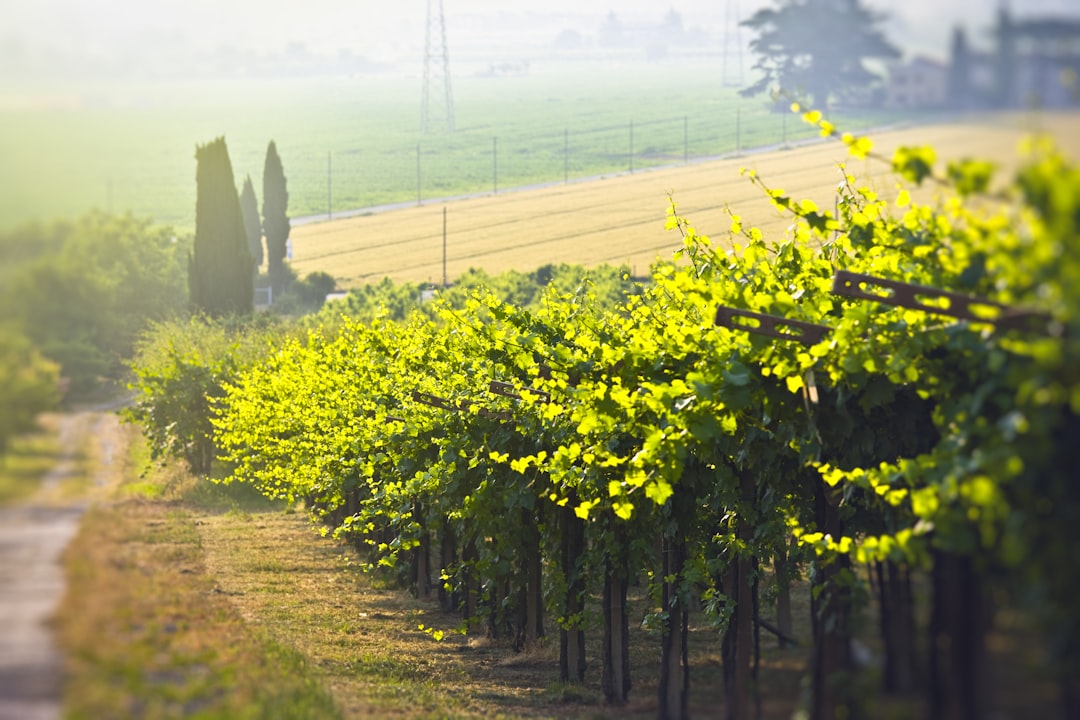
The Valpolicella Classico zone — the original hills north of Verona in the western part of the denomination — is easily accessible from Verona by car and offers a landscape of terraced vineyards, medieval villages, and estate wineries that constitutes one of the more pleasant wine tourism environments in northern Italy. The town of Fumane, the village of San Floriano, and the estates of the Classico hills provide the context for understanding why the Classico zone is considered qualitatively superior to the extended zone.
Verona itself — one of the most intact and beautiful medieval cities in Italy — provides the urban base for the Valpolicella visit, with its own wine culture (the Vinitaly wine fair, held annually in Verona, is the largest wine trade show in the world) and its own exceptional food scene. The Amarone on the wine lists of Verona’s better restaurants, paired with the horse meat preparations (pastissada de caval — horse braised in wine and spices — is the local festive dish that the Veronese defend with the same intensity that Romans defend their pasta canon) and the risotto all’Amarone, constitutes the specific Veronese synthesis of wine and food that no other combination replicates.
Reading the Label and Selecting a Bottle
The most important information on an Amarone label, beyond the producer’s reputation: Valpolicella Classico (indicates the historic zone, generally associated with higher quality) vs. Valpolicella (the expanded zone); Riserva (minimum 4 years ageing before release, as opposed to 2 years for standard Amarone); and the vintage year. Amarone vintages are variable in quality due to the extended drying process’s dependence on autumn and winter weather conditions; the best recent vintages in the Valpolicella (as of this writing) include 2015, 2012, 2010, and 2007.
Amarone requires decanting: the concentration of the wine and the tannic structure of the best traditional examples benefit from 2-3 hours of exposure to air before drinking. Young Amarone (under 8 years) is rarely at its best regardless of the producer’s quality; the investment in cellaring a good bottle for 10-15 years is almost always justified by the improvement in the wine’s character. The best Amarone from the best producers in the best vintages is among the longest-lived wines in Italy, and bottles from the 1990s and even the 1980s from estates like Dal Forno Romano, Quintarelli, and Bertani continue to develop and reward patience.