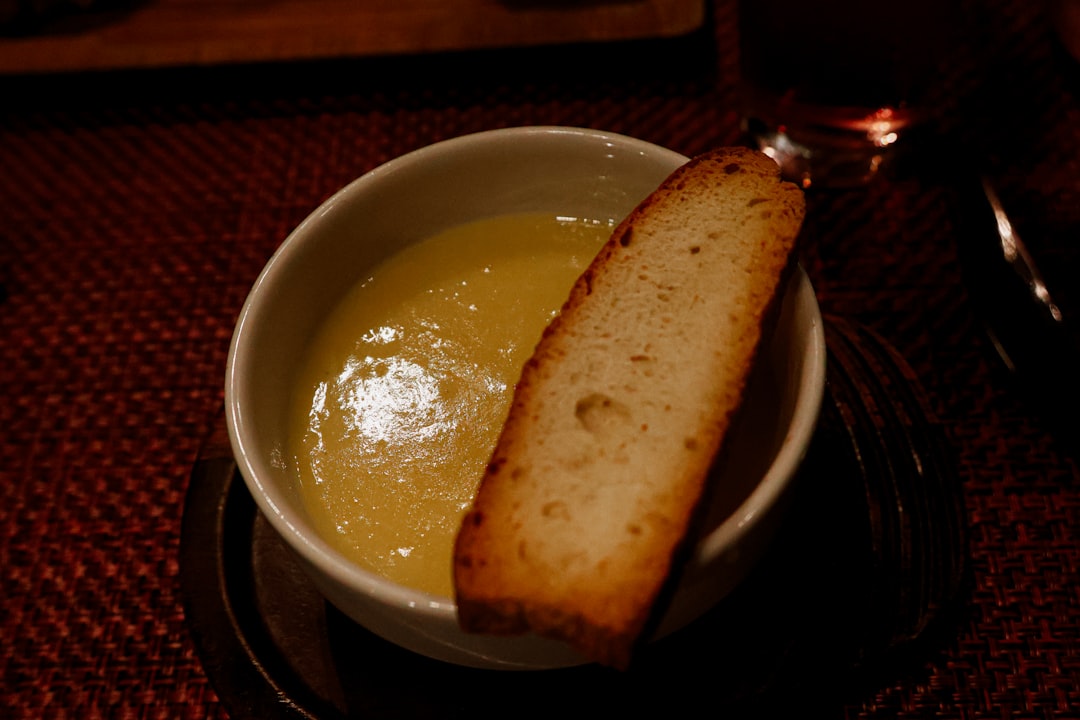
Ribollita means ‘re-boiled’, and the name tells you everything essential about the dish’s origins. This is peasant cooking at its most resourceful: a soup of whatever vegetables the garden and larder can provide, thickened with stale bread, cooked once and then — crucially — cooked again the following day, when the flavours have deepened and melded and the bread has completely dissolved into the broth, creating a texture that is somewhere between soup and porridge and unlike anything else in the Italian repertoire.
The Essential Ingredient: Cavolo Nero
The essential vegetable is cavolo nero — Tuscan black kale, a long-leafed brassica with a dark green colour and a richness of flavour that comes from growing in the cold. Ribollita without cavolo nero is not ribollita. The plant, which is at its best after the first frost has sweetened its leaves, determines the dish’s seasonality: this is food for November through February, for the deep cold of the Tuscan winter when the olive harvest is done and the vines are bare and the contadini need something hot and sustaining and abundant. For the full recipe breakdown and regional variations, the complete ribollita guide covers everything from the right bread to the timing of the reboil.
How Ribollita Is Made
The construction of a proper ribollita takes two days. On the first day, dried cannellini beans are cooked from scratch with garlic, sage, and olive oil until completely tender, then half are passed through a mouli to thicken the liquid. A soffritto of onion, carrot, celery, and garlic is slowly cooked in generous olive oil until meltingly sweet, then joined by canned or fresh tomatoes, diced potatoes, the cavolo nero, savoy cabbage, and other seasonal vegetables. The beans and their liquid are added, along with enough water to make a dense soup, and the whole is simmered for an hour. Stale Tuscan unsalted bread — pane sciocco, the characteristic bread of Tuscany — is broken into chunks and stirred in, and the soup is left to rest overnight.
The second day is when the magic happens. The cooled soup is returned to the heat, stirred vigorously as it reboils, thinned if necessary with a little water, and finished with a generous pour of Tuscan extra virgin olive oil — the new season’s oil if it is October or November, green and peppery and almost aggressively flavoured — over each bowl. The bread has by now completely absorbed the broth and the result is dense, intensely flavoured, and deeply satisfying in the specific way that food cooked slowly from humble ingredients and designed to sustain working people through cold days can be satisfying in ways that more refined preparations often are not.
Where to Eat Ribollita in Tuscany
The best ribollita in the world is eaten in the farmhouses of the Chianti hills and the Mugello valley, made by women who learned the recipe from their mothers, who learned it from theirs, in a chain of culinary transmission that stretches back through the centuries of Tuscan agricultural poverty. The second-best is found in the trattorias of Florence in November — part of the same central Italian food tradition shared with Umbria, where the menu still changes with the seasons and the cooks understand that ribollita is a dish that rewards patience and punishes shortcuts.
Cooking Ribollita at Home
To cook it at home is to participate in one of the most deeply rooted traditions of Italian peasant cooking — a tradition that is not nostalgic or performative but genuinely alive, still feeding families across Tuscany every winter with the same combination of ingenuity, seasonal intelligence, and respect for humble ingredients that has sustained the contadini for a thousand years.