The Organic Hill
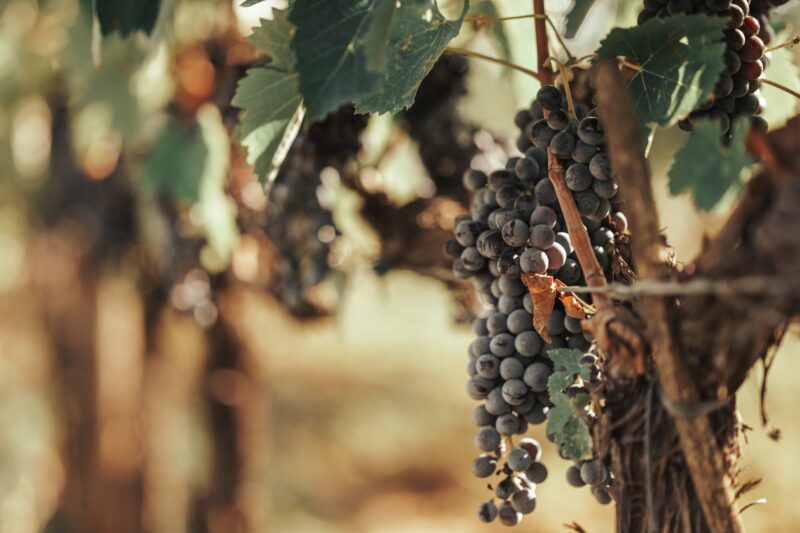
The transformation of Umbrian agriculture over the past two decades is not the subject of tourist communications about the region, which tend to focus on the truffle, the olive oil, the Sagrantino wine, and the visual drama of the hill towns that punctuate the landscape in approximately the positions that a landscape painter would have chosen for them. But the transformation is real, and it is, in several respects, the most interesting thing happening in a region that has been making interesting things happen for several centuries.
The shift toward organic and biodynamic production in the Umbrian interior — in the Val di Chiana margins, in the hills around Todi and Orvieto, in the plateau above Norcia that the 2016 earthquake destroyed and that is now being rebuilt with a different agricultural logic — is not a fashion or a marketing strategy, though it has generated marketing value. It is a response to converging pressures: the declining profitability of conventional agriculture at the scale of the Umbrian family farm, the availability of premium markets for certified organic products, the arrival of a generation of practitioners who brought different priorities to the land from those of their parents.
The Small Farm Economy
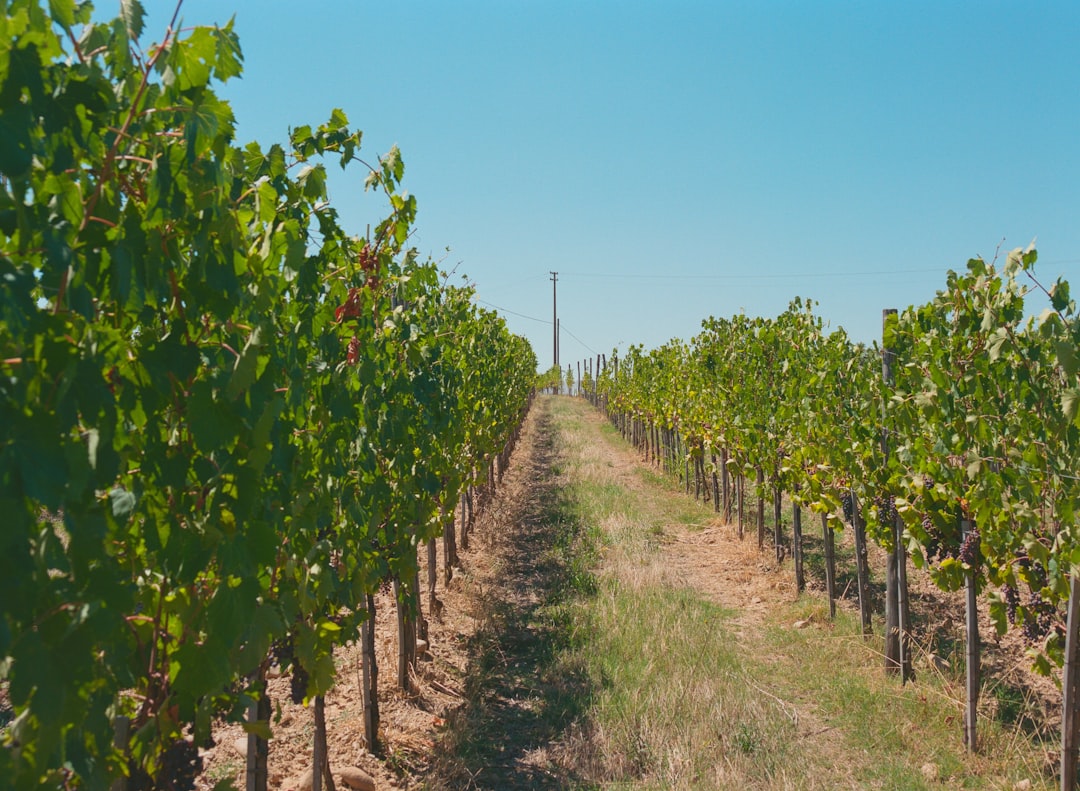
The characteristic Umbrian farm that has made the transition to organic production is small: five to twenty hectares of mixed cultivation — grain, legumes, olive trees, sometimes a small vineyard — operated by a family making a living from the land rather than from scale. The economics are marginal in the conventional sense and viable in the organic sense, which is to say that the premium prices available for certified organic products are sufficient to sustain an operation that could not survive on commodity prices for the same outputs.
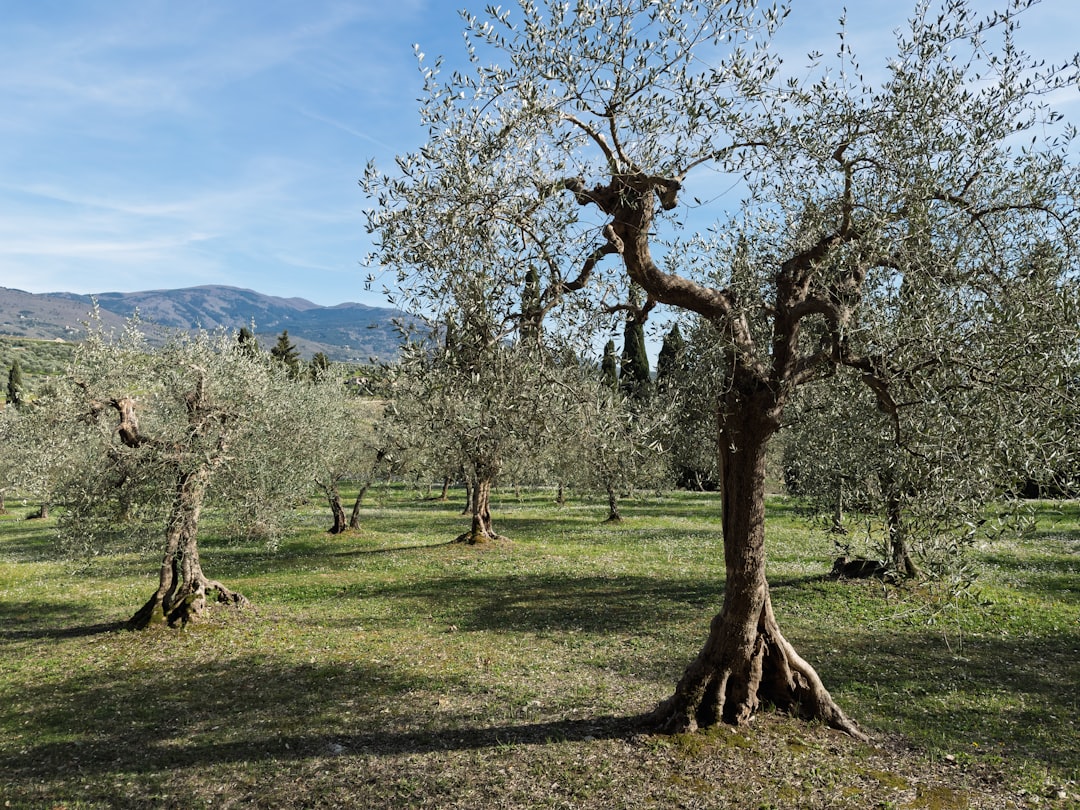
The social dimension of this economy matters as much as the economic one. The small organic farms of the Umbrian interior are, in many cases, the only enterprises maintaining the traditional landscape of the mixed cultivated hill — the patchwork of field, orchard, and woodland that has characterised the Umbrian upland for a thousand years and that the rationalisation of Italian agriculture since the 1950s has systematically erased wherever it has been allowed to operate. The farm producing organic emmer wheat on the hillside above Bevagna is also maintaining the terracing that keeps the hillside from eroding; the farm producing organic olive oil in the Martani hills is maintaining the trees that structure the landscape the UNESCO designation describes as outstanding.
The Agriturismo as Agricultural Enterprise
The agriturismo — the farm that receives guests and supplements its agricultural income with hospitality — is a familiar institution in the Italian countryside, and in Umbria it has been a significant part of the rural economy since the legislation creating the category in the 1980s. What distinguishes the organic agriturismo of the Umbrian interior from the conventional version is not primarily the food — though the food is better, in the specific sense of being more directly connected to the farm’s own production — but the relationship between the guest experience and the agricultural reality.
In a conventional agriturismo, the agricultural dimension is backdrop: the view from the terrace, the jar of olive oil in the welcome basket, the occasional tractor in the courtyard. Where the farm is genuinely farming rather than primarily hosting, that dimension is present throughout: the harvest schedule determines when the kitchen can produce certain things, the seasonal rhythm of the farm shapes the character of the week, and guests who engage with the farm’s work rather than treating it as scenery get an experience of a different quality.
Norcia and the Earthquake Aftermath
The earthquake of October 2016, which destroyed the centre of Norcia and severely damaged the surrounding villages of the Valnerina, interrupted an agricultural transition that was already underway in one of Umbria’s most ecologically significant landscapes. The plateau above Norcia — the Piano Grande and the smaller plateaux of the Sibillini range — is among the most botanically diverse grassland ecosystems in Italy, a landscape shaped by centuries of extensive livestock grazing and dependent on the continuation of that grazing for its character.
The rebuilding of Norcia and its territory has incorporated, in a way that was not inevitable, a concern for the recovery of the agricultural practices that maintain the landscape as well as the reconstruction of the buildings that organise human life within it. The lentil of Castelluccio — the small, delicate legume cultivated on the Piano Grande plateau for at least three centuries, carrying the IGP designation that certifies its geographical identity — has been replanted and is again producing harvests that the national and international slow-food market is receiving. The olive cultivation of the lower Valnerina, damaged by the earthquake and by the subsequent frosts of 2017, is recovering more slowly but recovering.
The Truffle as Ecological Indicator
The truffle — Tuber melanosporum in the Umbrian context, the black Perigord truffle that matures in winter under the oak and hazel trees of the Umbrian hills — is the most internationally recognised product of the Umbrian soil, and it is also, paradoxically, one of the more sensitive indicators of the ecological quality of the landscape that produces it. The truffle is a mycorrhizal fungus: it grows in symbiosis with the root systems of its host trees, and the quantity and quality of the annual truffle crop depends on the health of those trees, the quality of the soil in which they grow, and the maintenance of the woodland structure that supports the entire mycological community of which the truffle is a part.
The organic farmers who have recognised this relationship are managing their truffle grounds differently from the conventional truffle producer: maintaining the woodland edge rather than clearing it, preserving the biodiversity of the understorey rather than simplifying it, and approaching the annual harvest as a long-term relationship with the ecosystem rather than an extractive operation. The results — larger and more consistent truffle harvests from grounds managed this way — are providing an economic argument for the ecological approach that the environmental argument alone was not generating.
How to Engage with the Organic Umbria
The organic agricultural economy of Umbria is accessible to the visitor who approaches it as an economy rather than a backdrop. The farmers’ markets of Todi, Foligno, and Norcia on their respective market days sell the products of the organic farms of the surrounding territory: not in the curated presentation of a food hall but in the functional form of a market whose primary customers are local households. An agriturismo that is genuinely farming can be identified by simple observation: is the land around it being cultivated? Are there animals? Does the kitchen menu reflect what the farm is actually producing at this time of year?
The most direct engagement is with the farms themselves. Several organic farms in the Umbrian interior receive visitors for specific activities — a model that the rewilding economy of Basilicata is beginning to adopt for its own eco-tourism networks. — the olive harvest in November, the truffle hunting in winter, the grain harvest in July — that offer genuine participation in the agricultural cycle rather than a simulation of it. These are not commercially polished experiences; they are occasions on which the farm is doing what it does and the visitor is invited to take part. Anyone who has experienced both kinds of encounter knows the difference immediately. The agriturismo that provides the closest equivalent in another landscape is the converted farmhouse of the Emilian Apennines, where a comparable argument between agricultural reality and hospitality performance is being resolved in favour of the former.