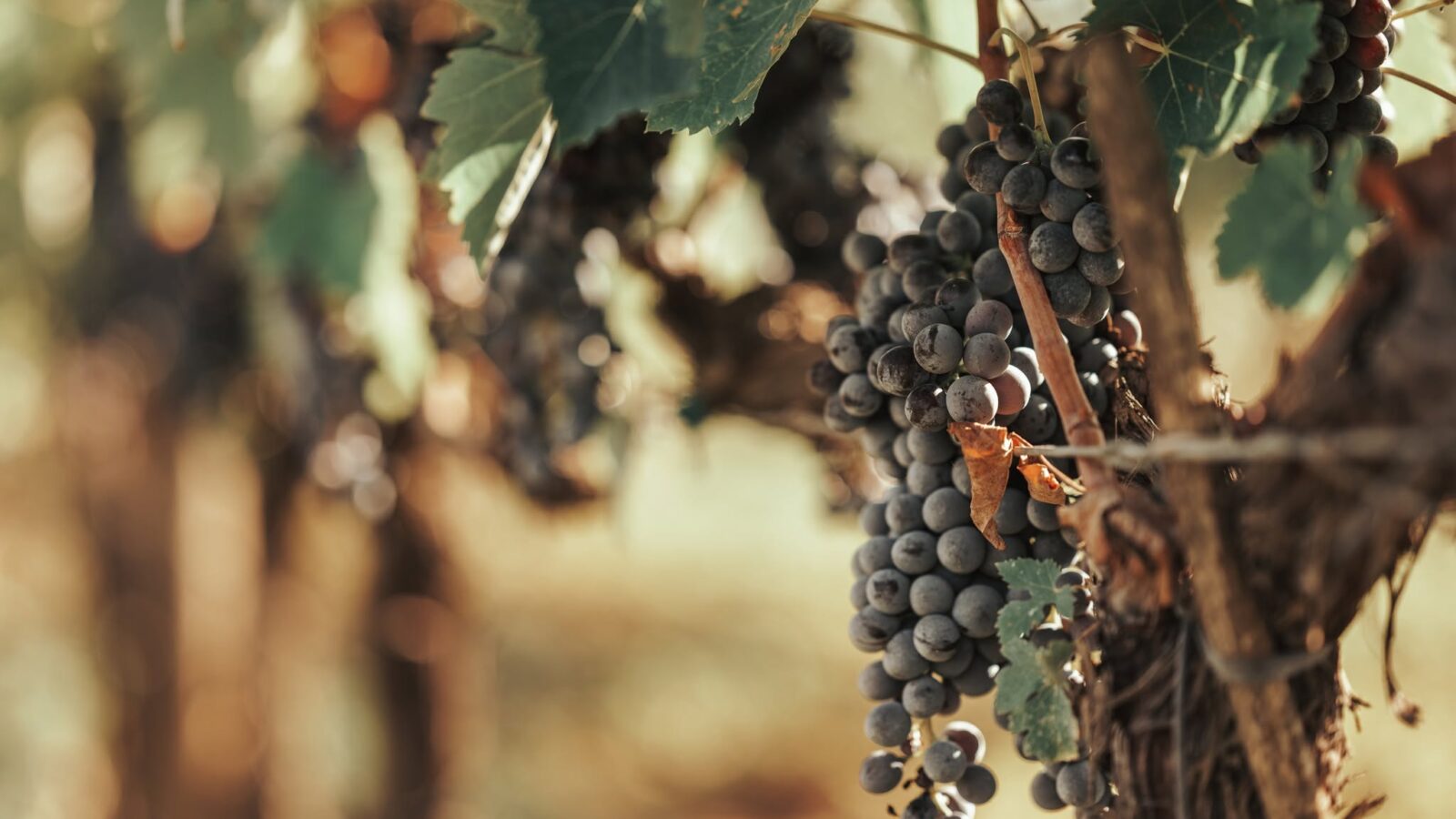
A family property south-east of Montalcino, shaped by eight decades of viticulture, the constant pull of sea winds, and a dedication to Brunello that runs deeper than the estate’s iron-rich clay soils.
There are estates in Tuscany whose identity is inseparable from the land itself — where geography is not merely a backdrop but the very engine of everything produced. Corte dei Venti, situated in the south-eastern reaches of the Montalcino commune, is one such place. Its story begins in 1943, when the Pieri family purchased the Piancornello farmstead, setting in motion what would become, across three generations, a winemaking operation of quiet conviction. When the maternal grandfather passed away in the late 1980s, a portion of the property transferred to his daughter Silvana and later to her children, who established the estate under its current name and brought with them a philosophy that balances tradition with an admitted touch of folly and considerable passion.

The name Corte dei Venti — Court of the Winds — is not romantic invention but practical geography. The estate sits at a point where sea winds converge with particular force, moderating what might otherwise be a harsh interior climate and ensuring the vineyards remain free of the fog that troubles other parts of the region. This constant ventilation protects the vines through their vegetative cycle and safeguards the grapes at harvest, contributing to a prolonged, even ripening that is essential for Sangiovese Grosso of real character. The terrain compounds these advantages: five hectares of hillside vineyards planted in steep, calcareous ferrous clay — the celebrated terre rosse of this south-eastern pocket between Sant’Angelo in Colle and Castelnuovo dell’Abate — soils that are mineral-rich, fresh, and ideally structured for wines of depth and longevity.
The cellar reflects a dual philosophy of precision and patience. Divided into two distinct areas, the first is given over to vinification in stainless steel tanks, where temperature and humidity are carefully controlled; the second is dedicated to ageing, where tonneaux and large oak barrels of 25 hectolitres are used to bring the estate’s Brunello di Montalcino to maturity at an unhurried pace. The choice of larger vessels is significant — it speaks to a preference for wines that express terroir rather than the imprint of new wood, a sensibility that aligns with the most considered winemaking in the appellation.
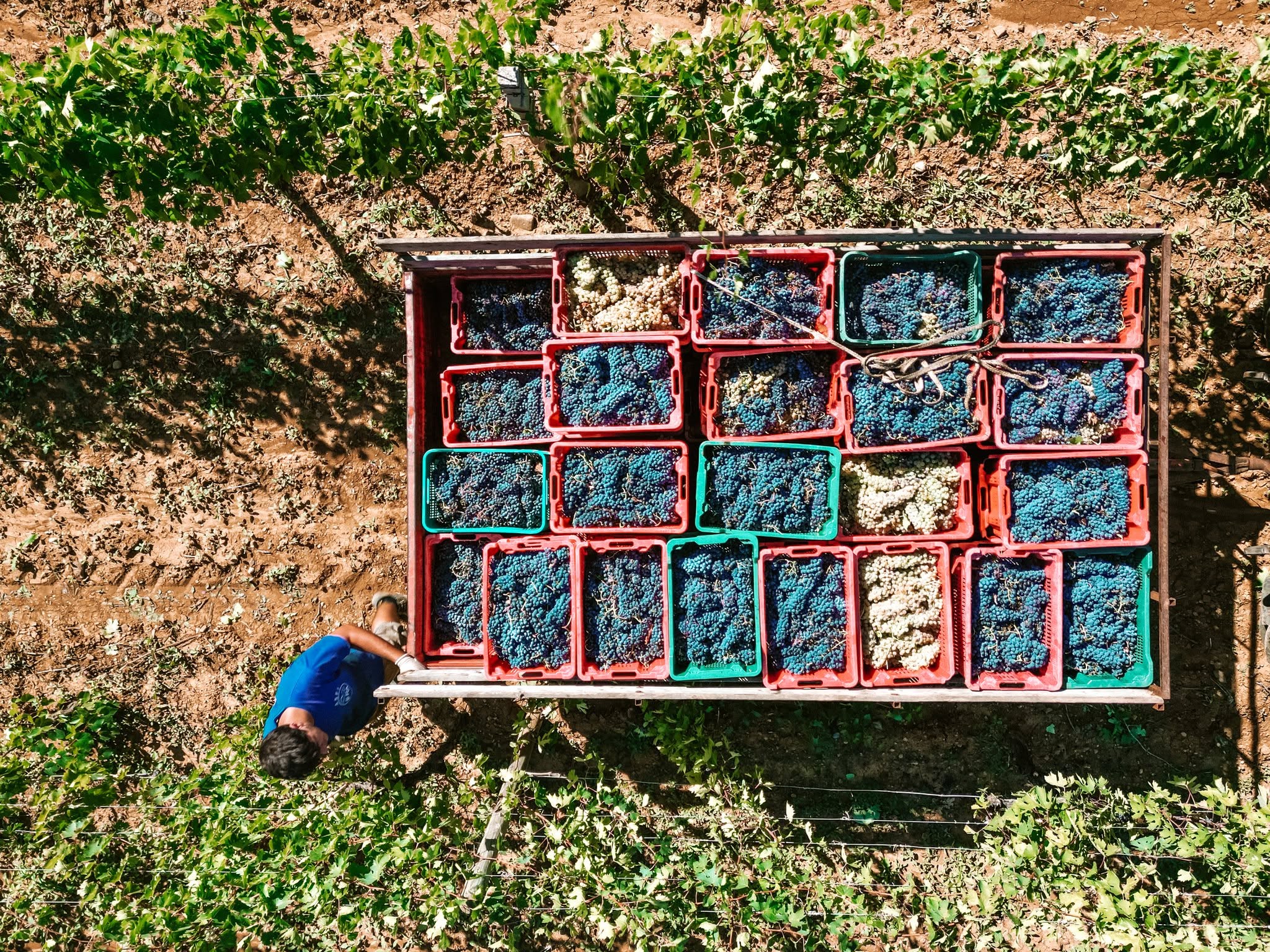
Beyond the vines, Corte dei Venti tends three hectares of ancient olive trees — Olivastra, Correggiolo, and Moraiolo varieties — whose fruit has been harvested by hand for generations. Taken directly to the press after picking and cold-milled without delay, the olives yield an extra-virgin olive oil whose character, like the estate’s wines, owes everything to the specificity of this particular corner of Montalcino.
Visitors are invited to encounter both in combination. The estate’s tastings pair its wines with bruschette dressed in the estate’s own oil, alongside local cured meats and cheeses, seasonal fruit, and traditional Tuscan sweets — a format that frames Corte dei Venti’s output not as product to be evaluated in isolation, but as part of a broader agricultural identity that has been steadily built since the mid-twentieth century, wind by wind, harvest by harvest.


