What Gaglioppo Actually Is
The wine that Calabria makes from the Gaglioppo grape has been called many things over the decades: the wine of the ancient Greeks, who planted the vine on these Ionian slopes more than two and a half thousand years ago; the wine of athletes, which was said to have been awarded at the ancient Games from the colony of Kroton; and, more recently and less flatteringly, a wine that had forgotten what it was capable of. The rehabilitation of Cirò — the DOC wine produced in the hills above Calabria’s Ionian coast — is one of the more interesting stories in Italian wine over the past two decades.
The Gaglioppo grape is ancient, thin-skinned, and capable of producing wines of either great distinction or profound mediocrity depending entirely on the decisions made during cultivation and vinification. For much of the second half of the twentieth century, the Cirò DOC leaned toward the mediocrity end of this spectrum — not through any inherent limitation of the grape or the terroir, but through the incentives created by bulk wine production, which rewarded volume over quality and which consigned much of what Cirò made to anonymous blending.
The grape’s character, when allowed to express itself through careful viticulture and patient winemaking, is distinctive: a red that is lighter in colour than its reputation as a powerful southern wine would suggest, with high acidity, moderate tannins, and an aromatic profile that tends toward dried flowers, Mediterranean herbs, and a mineral, slightly saline quality that connects it unmistakably to its coastal limestone and clay soils.
The Ionian Landscape
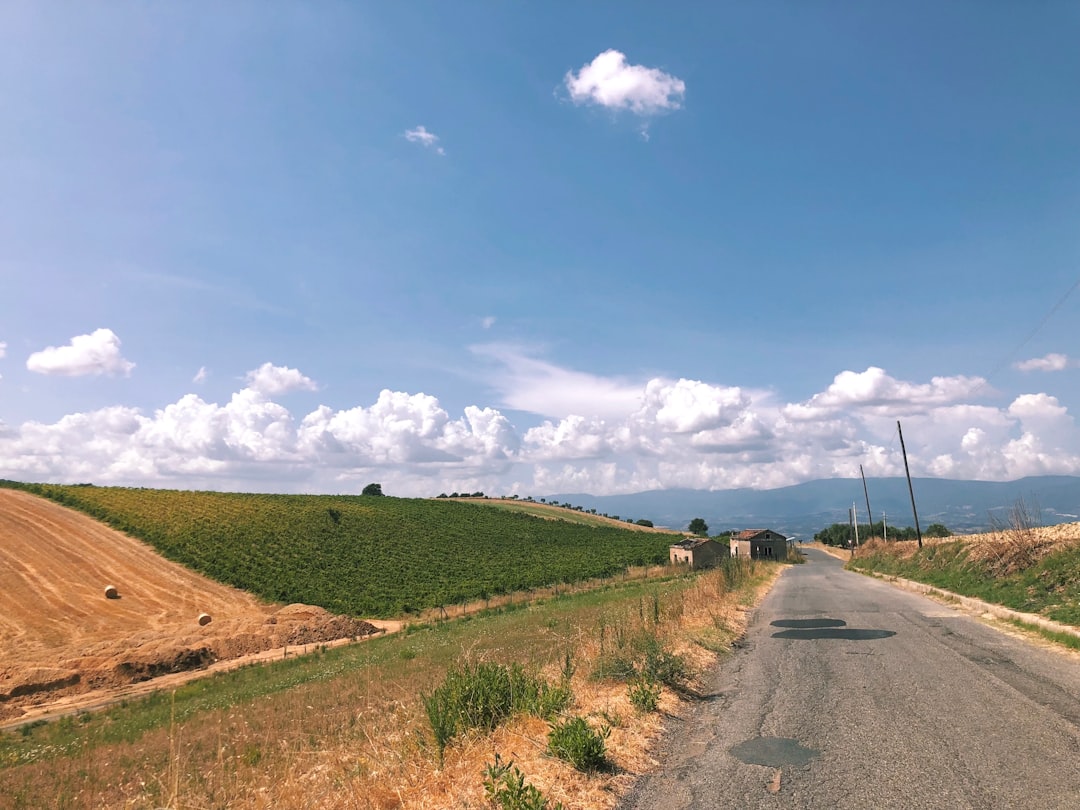
The Cirò zone occupies a particular geography: hillside vineyards on the edge of the Marchesato plain, facing east toward the Ionian Sea, at elevations between two hundred and five hundred metres. The hills rise from the coast in a series of terraces that catch the morning sun and are protected to the north and west by the Sila massif — a highland plateau of granite and ancient forest whose influence on the valley’s microclimate is significant. The temperature differential between day and night, particularly in September during harvest, is large enough to slow the ripening process and preserve the acidity that gives the wine its structure.
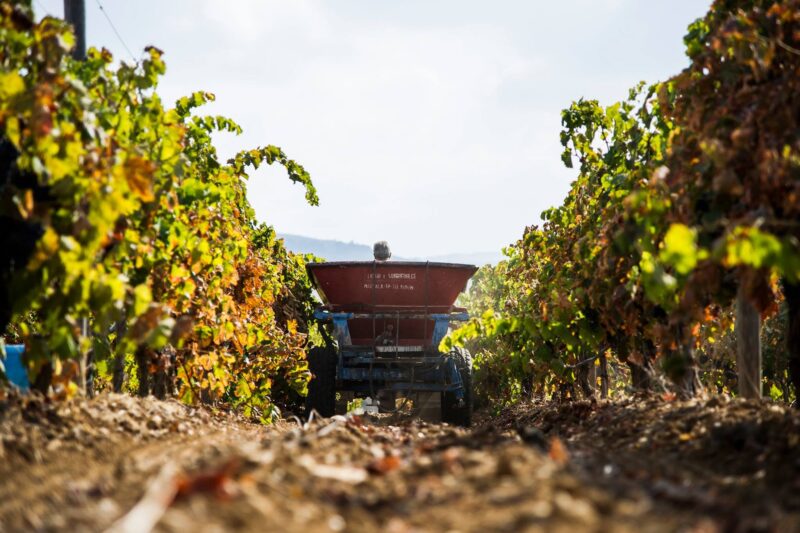
The vine here — in the old vineyards, which survived the twentieth century’s agricultural transformations by the combined effect of poverty and stubbornness — is the alberello bush vine: low, gnarled, without irrigation, reaching roots deep into the limestone subsoil for whatever moisture the August drought has left. The yields are low by industrial standards, the harvesting is entirely manual, and the production economics are difficult. The producers who have returned to these vineyards have accepted the economics as the necessary cost of making wine that is actually interesting.

The Generation That Changed the Conversation
The shift in Cirò’s reputation is largely attributable to a specific cohort: producers born in the 1970s and 1980s who trained in Piedmont or Burgundy or at agricultural universities in northern Italy, absorbed the technical and philosophical frameworks of fine wine production, and then applied them back home — sometimes to the frustration of the established cooperative structures that dominated the denomination.
The wines they began producing in the early 2000s were different from what Cirò had been: lower in alcohol, without the over-extraction that had made the previous generation’s wines technically powerful but aesthetically dull, aged in large neutral vessels that allowed the wine’s character to emerge without imposing the vanilla-and-toast overlay of new small oak. The international wine press noticed, cautiously at first and then with more conviction.
The Cooperative Legacy
It would be inaccurate to suggest that the cooperative tradition of Cirò represents only limitation. The cooperative structure has been the economic backbone of the Cirò community for decades, absorbing harvests that would otherwise have had no market and providing income to small growers who could not have survived independently. The cooperative system also maintained, through the difficult decades of bulk production, a base of old-vine material that the new generation of quality producers has been able to access — because the growers who supplied the cooperative continued tending their alberello vines even when the economic return was marginal.
What the new generation challenged was not the cooperative’s existence but its ambitions: the assumption that Gaglioppo on Ionian limestone was suitable only for anonymous bulk production rather than for wines that could compete on quality grounds in international markets. That challenge has been largely vindicated, and some cooperative structures in the denomination have begun responding to it — producing their own premium lines, investing in cellar technology, and finding export markets that do not exist for commodity wine.
Rosato and the Underrated Case
Among the wines that the Cirò denomination produces, the Rosato — the rosé made from Gaglioppo — deserves particular attention. The Gaglioppo grape’s light skin pigmentation makes it naturally suited to rosé production, and the versions made by the denomination’s most careful producers are among the most serious pink wines made anywhere in Italy: dry, mineral, with a copper-salmon colour that reflects the grape’s natural character, and an aromatic complexity — dried rose petals, citrus pith, wild strawberry — that is more typically associated with the Provence rosés that carry a more established international reputation.
The Rosato is the entry point for the Cirò zone. It is also, increasingly, the wine that sommeliers in Rome and Milan are reaching for when they want to offer an Italian rosé that is distinctive rather than merely competent.
What the Rehabilitation Means
The rehabilitation of Cirò is not complete, and the producers who have driven it would be the first to say so. The denomination’s image problem — the decades of association with cheap bulk wine — persists in markets where Calabrian wine is still synonymous with the anonymous productions of the cooperative era. The path from critical recognition to commercial success in competitive export markets is longer than wine enthusiasts typically appreciate, and the economics of quality production on Calabrian old vines remain challenging.
But the direction is clear. The young producers who chose to return to these vineyards rather than building careers elsewhere made a bet on the Gaglioppo grape and the Ionian terroir, and the evidence increasingly suggests the bet was rational. The wine they are making is genuinely good: not in the sense of being technically competent and internationally palatable, but in the more specific sense of expressing something true about the place that produced it.
That the place is ancient — Greek colonists identified these slopes as suitable for viticulture more than two thousand years ago, and the archaeological evidence of their wine production is still being excavated from the soil above which the new generation’s vineyards grow — adds a dimension that the best Cirò wines carry without needing to advertise it. The history is in the ground. The wine comes up from that ground. You taste it, or you don’t, but it’s there regardless. A comparable investment in indigenous viticulture has defined the rehabilitation of Cannonau in Sardinia’s Ogliastra, where the economics of old-vine winemaking are equally difficult and the results equally worth the difficulty.