Amarone della Valpolicella: The Art of Drying Grapes
Amarone della Valpolicella is made by drying Verona hill grapes for months before fermentation -- a centuries-old technique producing Italy most distinctive concentrated red.
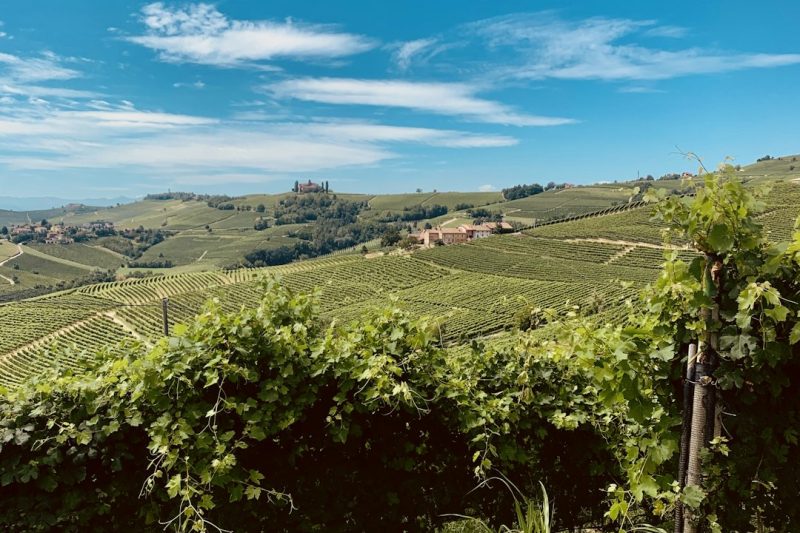
Italy has more native grape varieties under commercial cultivation than any other country on earth — somewhere between three hundred and five hundred, depending on how you count them — and produces wine in every one of its twenty regions. Barolo is the name most people know, but the Italian wine map includes Etna Rosso from volcanic basalt, Vermentino from Sardinian granite, Lagrein from the Trentino valleys, Greco di Tufo from the Campanian hills, and a hundred other combinations of place and variety that the international wine market is only beginning to pay proper attention to.The wine writing in this section is specific rather than comprehensive: deep pieces on single appellations, producer profiles, vintage assessments, and the kind of food-pairing context that makes a wine make more sense at the table. The aim is to give you the vocabulary and the reference points to drink Italian wine with the same informed pleasure the Italians do.

Amarone della Valpolicella is made by drying Verona hill grapes for months before fermentation -- a centuries-old technique producing Italy most distinctive concentrated red.

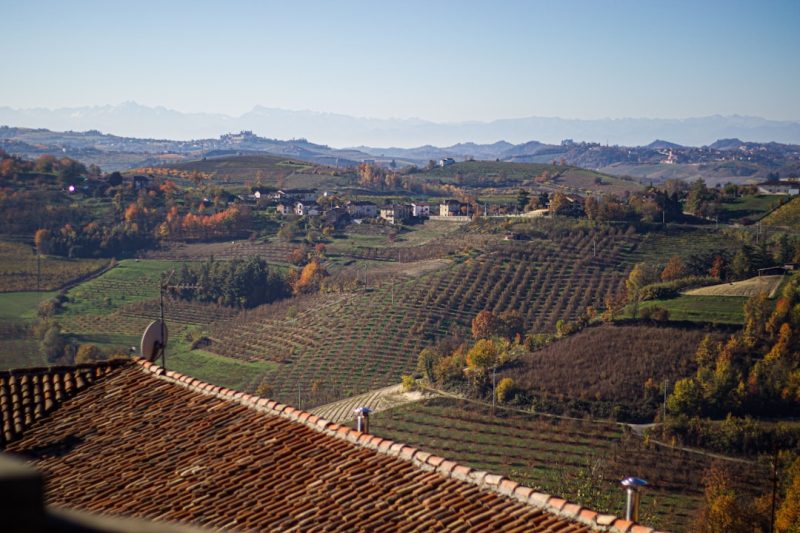
Barolo, from Nebbiolo grapes in the Langhe hills of Piedmont, is structured, long-lived, and capable of ageing for decades -- a guide to Italy greatest…

The Langhe is wine country — Barolo, Barbaresco, white truffles — but also literary history, Baroque towns, and a food tradition of uncommon seriousness. Here…

In the Collio and Friuli Colli Orientali zones along the Slovenian border, a small group of producers has been making wine without intervention for half…

In the fog-shrouded hills of the Langhe in Piedmont, the Nebbiolo grape produces what many consider Italy's greatest wine — a study in patience, terroir,…