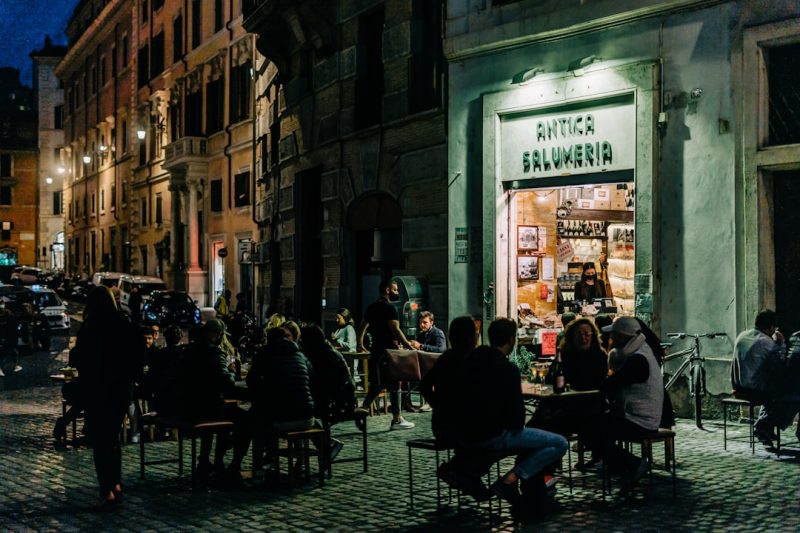
Coffee in Italy is not a beverage. It is a social act, a sensory ritual, a moment of pause inserted into the day with a frequency and a deliberateness that no other coffee culture in the world quite replicates. The Italian stands at the bar counter — note: stands, almost always, at least for the morning and mid-morning coffees — drinks an espresso in three or four sips, exchanges a word with the barista, and returns to work. The entire transaction takes less than four minutes. It happens two or three times a day, every day, across the full arc of Italian adult life. The accumulated weight of these small rituals is the caffè culture: something that shapes the architecture of Italian time, the social texture of Italian neighbourhoods, and the physical environment of the Italian city in ways that a single cup of coffee, considered in isolation, cannot account for.
The Italian bar — the caffè, the bar, terms which are interchangeable in Italy in a way they are not elsewhere — is the node around which neighbourhood social life organises. It is where the morning begins, where the mid-morning break happens, where the mid-afternoon pause takes place, and where the evening aperitivo transitions from the professional to the private. The barista, in a bar that has been established long enough to have a regular clientele, knows who takes a double, who wants their milk warm but not hot, who prefers the blend from the small Neapolitan roaster to the house brand. This knowledge is not exceptional customer service; it is the normal function of an institution that exists to serve a regular community.
The Espresso: A Technical Standard
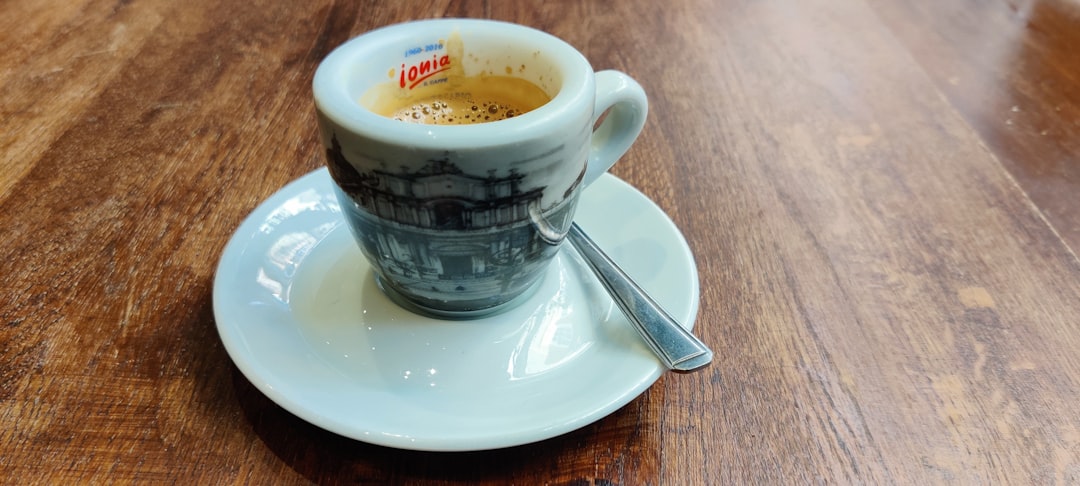
The espresso is the foundation of Italian coffee culture, and understanding what a correctly made espresso is — and how far the international version of “espresso” departs from the Italian original — is essential to understanding what the fuss is about. A correct Italian espresso is approximately 25–30 ml of coffee, extracted in 25–30 seconds under 9 bars of pressure from 7 grams of finely ground coffee at approximately 90 degrees Celsius, with a crema (the tan foam that sits on top of the shot) that is dense, uniform, and persists for at least a minute after extraction. The result is a drink of concentrated coffee flavour with a bitterness that is balanced by sweetness and a body that is far denser and more textured than filter coffee. It is not, in its correct form, harsh or burnt — if it tastes burned, the grind is wrong, the temperature is too high, or the coffee has been on the machine too long.
The espresso is drunk, in Italy, at room temperature or slightly warm rather than at the scalding temperature that coffee is served at in northern European and American contexts. This is both practical and deliberate: you cannot appreciate the flavour of a coffee you have to wait ten minutes to drink, and the Italian espresso, served correctly, can be consumed immediately — the temperature is appropriate to the purpose. The sugar question is also culturally specific: many Italians add a teaspoon or two of sugar to their espresso, and the bottom of the cup, after the coffee has been drunk, is a small pool of sweet coffee sludge that some drink and some leave. The unsweetened espresso is also entirely normal; it is not a statement of sophistication but a personal preference.
The Hierarchy of Coffee Orders
The Italian coffee menu, while not long, has a precision about its terms that the visitor needs to understand to avoid confusion. The base unit is the caffè — which always means espresso unless something else is specified. Asking for “un caffè” in an Italian bar produces a single shot of espresso; asking for “un caffè americano” produces an espresso diluted with hot water to the volume and strength of a filter coffee (this is the closest Italian approximation to what an American visitor might recognise as coffee, though it is made very differently). The macchiato — the “stained” coffee — is an espresso with a small quantity of warm milk, either foam (macchiato caldo) or cold milk (macchiato freddo), added to the top. The cappuccino — espresso with approximately equal quantities of steamed milk and milk foam — is a morning drink in Italy, consumed almost exclusively at breakfast and considered inappropriate after meals in the Italian understanding of digestion.
The latte macchiato — warm milk “stained” with a shot of espresso — is the inverse of the macchiato and is primarily a children’s drink in Italy, though it has been successfully marketed internationally as a sophisticated coffee drink. The corretto — an espresso “corrected” with a small amount of grappa, sambuca, or other spirit — is a traditional end-of-meal or morning drink in certain parts of northern Italy and the Veneto, where the grappa corretto is a recognised breakfast item in some communities. The ristretto — a shorter, more concentrated espresso, approximately 15 ml, extracted from the same amount of coffee — is the preferred order of serious coffee drinkers who want the maximum concentration of flavour with minimum volume.
The granita di caffè — frozen coffee granita, typically served with a dollop of fresh whipped cream — is the Sicilian contribution to coffee culture and one of the great summer treats of the Mediterranean. In Catania and Messina, a granita di caffè with brioche at seven in the morning is a completely normal breakfast, and the combination of the cold, intensely flavoured coffee ice with the slightly sweet, pillowy brioche is a specific pleasure of the Sicilian summer that the visitor who has not encountered it should seek out.
Regional Coffee Cultures
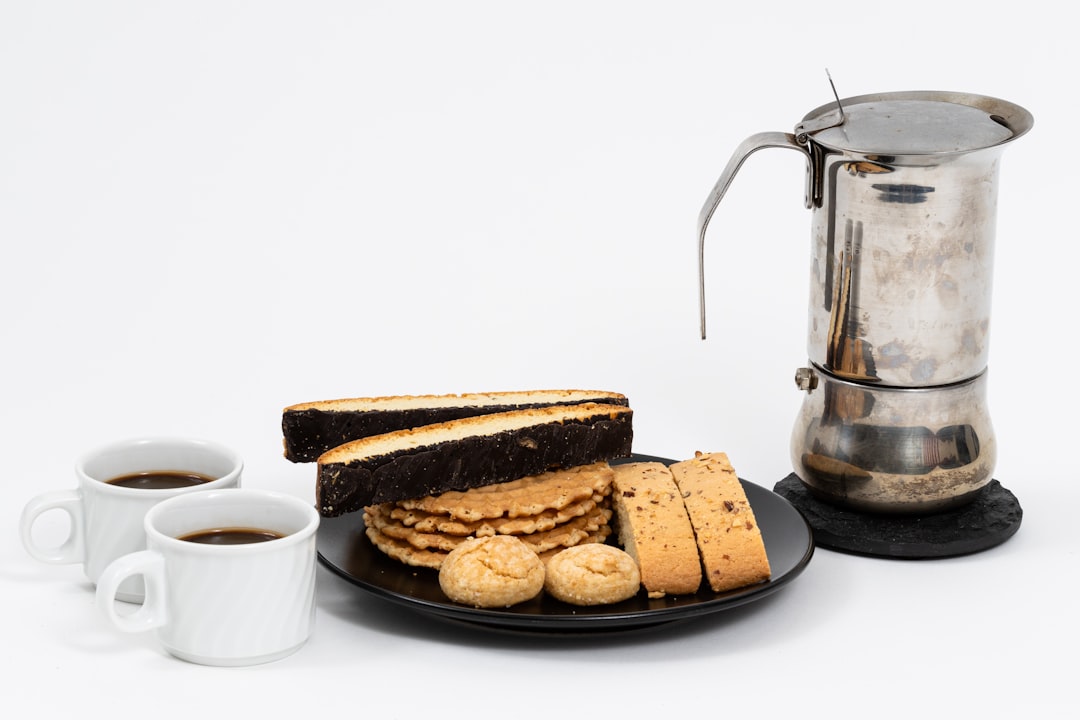
Italian coffee culture, while unified by the espresso standard, has significant regional variations that reflect different roasting traditions, different social customs, and different attitudes toward what coffee should be. The most celebrated regional coffee distinction is that between Naples and the north: the Neapolitan coffee culture, with its dark roast, intense extraction, and tradition of serving the coffee with a small glass of water (to cleanse the palate before drinking), represents one end of the Italian coffee spectrum, while the lighter roasts of Milan and Turin represent the other. The Neapolitan espresso — darker, with a more pronounced bitter note and a crema that is particularly thick and persistent — is the Italian espresso that most closely resembles the international idea of espresso. The Milanese version, lighter in roast and with a cleaner, more acidic profile, is considered more refined by coffee specialists but is less immediately impactful.
Naples also maintains the tradition of the caffè sospeso — the “suspended coffee,” in which a customer pays for two coffees but drinks only one, leaving the second “suspended” for the next person who cannot afford a coffee and asks if there is one available. The tradition, which is documented from the early 20th century and may be older, represents a specific form of anonymous charity that is embedded in the social life of the bar and that has attracted international attention as an expression of Neapolitan generosity. It is practised in some form in bars throughout southern Italy, though Naples is its specific home.
Venice’s caffè culture has a specific historical dimension: the Caffè Florian in the Piazza San Marco, opened in 1720 and continuously operated since, is the oldest caffè in continuous operation in Italy and one of the oldest in the world. Its history as a meeting place for the intellectual and political life of the Republic of Venice, the Napoleonic period, and the Risorgimento is embedded in the physical space of the room — the painted panels, the mirrored walls, the outdoor tables under the arcades. Drinking a coffee at the Florian is expensive (the price reflects the cost of the live music and the historical weight of the location, which must be maintained) but it is not a tourist trap — it is one of the genuine historical experiences of Venice, accessible to anyone who can pay for a coffee and is willing to sit with the weight of the building’s past.
The Architecture of the Italian Bar
The Italian bar is a specific physical space, and its design reflects the social function it serves. The marble or wood counter — the banco — is the centre of the space: this is where the coffee is made, where the cornetti (the Italian croissants, denser and less buttery than the French original, often filled with jam or cream) are displayed under glass, and where the social interaction between barista and customer takes place. The bar stools, where they exist, are not the primary seating — most of the morning coffee business is conducted standing, and the standing customer pays less for their coffee than the seated one at the table in many Italian bars.
The espresso machine — the chrome-and-brass apparatus behind the counter, typically a La Marzocco, a Nuova Simonelli, or an Astoria, machines that are Italian in manufacture and whose design has remained relatively stable since the 1950s — is the functional and aesthetic centrepiece of the Italian bar. The skill required to operate it correctly is the barista’s primary professional qualification, and the variation between a correctly operated machine and a poorly operated one accounts for the entire difference between an excellent espresso and an undrinkable one. In Italy, people know which bars make good coffee and which do not, and they choose accordingly — the neighbourhood bar is selected partly on the basis of coffee quality, and a bar that consistently produces mediocre espresso loses its regular customers.
Coffee Roasters and the New Wave
The specialty coffee movement — the international trend toward lighter roasts, single-origin beans, transparent sourcing, and brewing methods that emphasise the coffee’s own flavour rather than the extraction process — arrived in Italy later than it arrived in Scandinavia, the United Kingdom, or the United States, partly because Italian coffee culture is so deeply rooted in the espresso tradition that alternatives seemed unnecessary, and partly because the Italian roasting industry, dominated by large commercial roasters producing blends calibrated for the national espresso style, did not have an obvious pathway toward the single-origin, light-roast model.
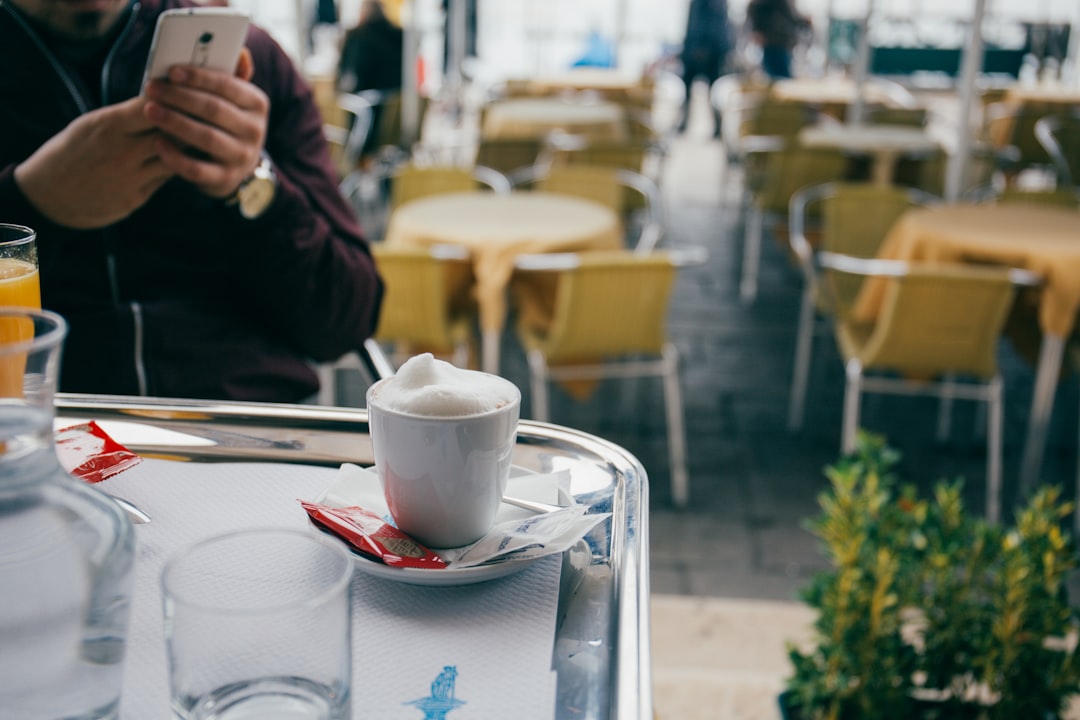
The specialty coffee presence in Italian cities has grown significantly in the past decade. In Milan, Turin, Rome, and Florence, there are now specialty coffee bars that offer filter coffee, pour-over methods, and carefully sourced single-origin espressos alongside the traditional blends, and the quality at the best of these establishments is comparable to the best specialty coffee anywhere in the world. The most celebrated new-wave roasters — Ditta Artigianale in Florence (which opened in 2013 and was among the first Italian specialty cafés to achieve international recognition), Orsonero in Milan, and Faro in Rome — have created spaces that combine the Italian café culture’s social function with the specialty coffee movement’s technical rigour, and the results are places that serve the neighbourhood as well as attracting the coffee-pilgrim tourist who has come specifically for the coffee.
The tension between the Italian espresso tradition and the specialty coffee movement is a productive one. The traditional Italian barista argues that the espresso standard, developed over a century of experimentation and refinement, produces a better result than the alternative methods for most coffees; the specialty coffee advocate argues that the espresso standard sacrifices flavour complexity for body and impact. Both are partly right, and the best cafés in contemporary Italy are beginning to find ways to honour both traditions — the regular who comes for a quick espresso before work and the enthusiast who wants to understand the origin and processing of the bean.
The Practical Guide to Drinking Coffee in Italy
For the visitor who wants to engage with Italian coffee culture correctly, some practical notes. Stand at the bar counter for your morning coffee — the experience is different from sitting at a table, and the coffee, ordered and drunk standing, costs less and tastes as good or better. Drink the cappuccino only in the morning; ordering one after a full lunch meal will identify you immediately as someone unfamiliar with the codes, and while no Italian will say anything, the internal judgement will be made. Learn the vocabulary — caffè for espresso, macchiato for espresso with a drop of milk, cappuccino for espresso with steamed milk and foam — and use it confidently.
Pay for the coffee at the cash register (cassa) before ordering, at bars that operate this system — a common practice in busier Italian bars where you get a scontrino (receipt) and bring it to the counter to order. Know that the quality of the espresso varies enormously between bars, and that the famous bars (the Florian in Venice, the Sant’Eustachio in Rome, the Gambrinus in Naples) are genuinely excellent and worth the slightly higher price. The coffee at a motorway autogrill is also, despite its unlikely location, often surprisingly good — the standard for espresso is so deeply embedded in Italian service culture that even the highway cafeteria takes it seriously.