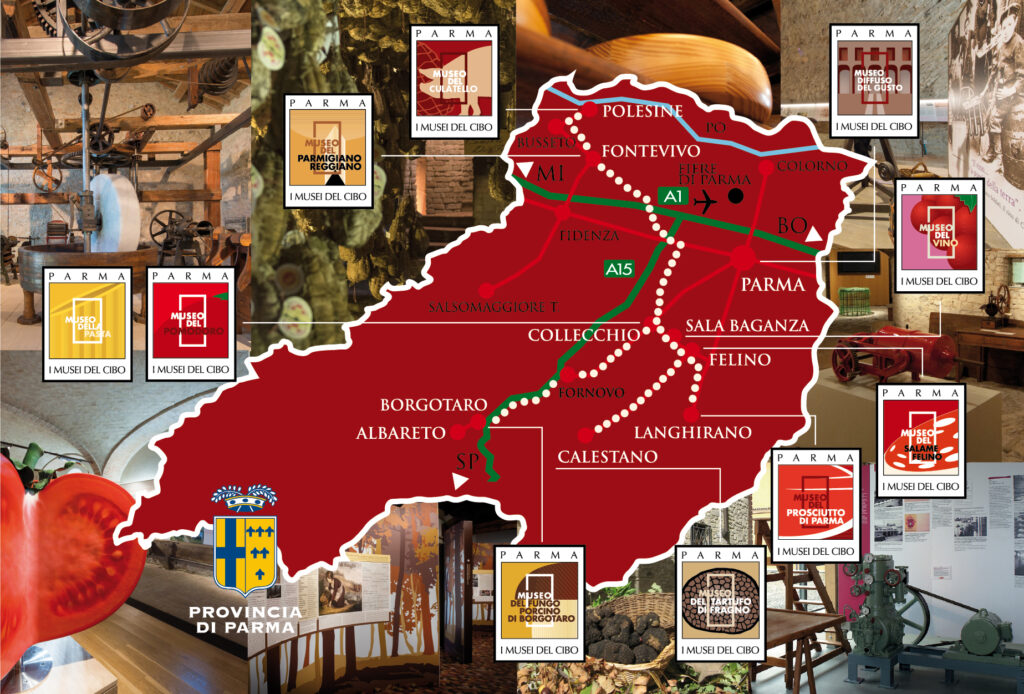
A network of ten museums scattered across the plains, hills and Apennine forests of Parma province tells the story of a territory whose culinary identity runs as deep as its artistic heritage.
Few Italian provinces can claim a landscape that functions simultaneously as a cultural monument and a working larder. In Parma — a city long celebrated for its musical traditions, its Farnese collections and its Romanesque baptistery — the surrounding countryside has for centuries produced some of the most revered ingredients in European gastronomy. The Musei del Cibo, a network of ten dedicated food museums distributed across the province from the banks of the Po down to the Apennine foothills, exist to trace that story with the seriousness it deserves.
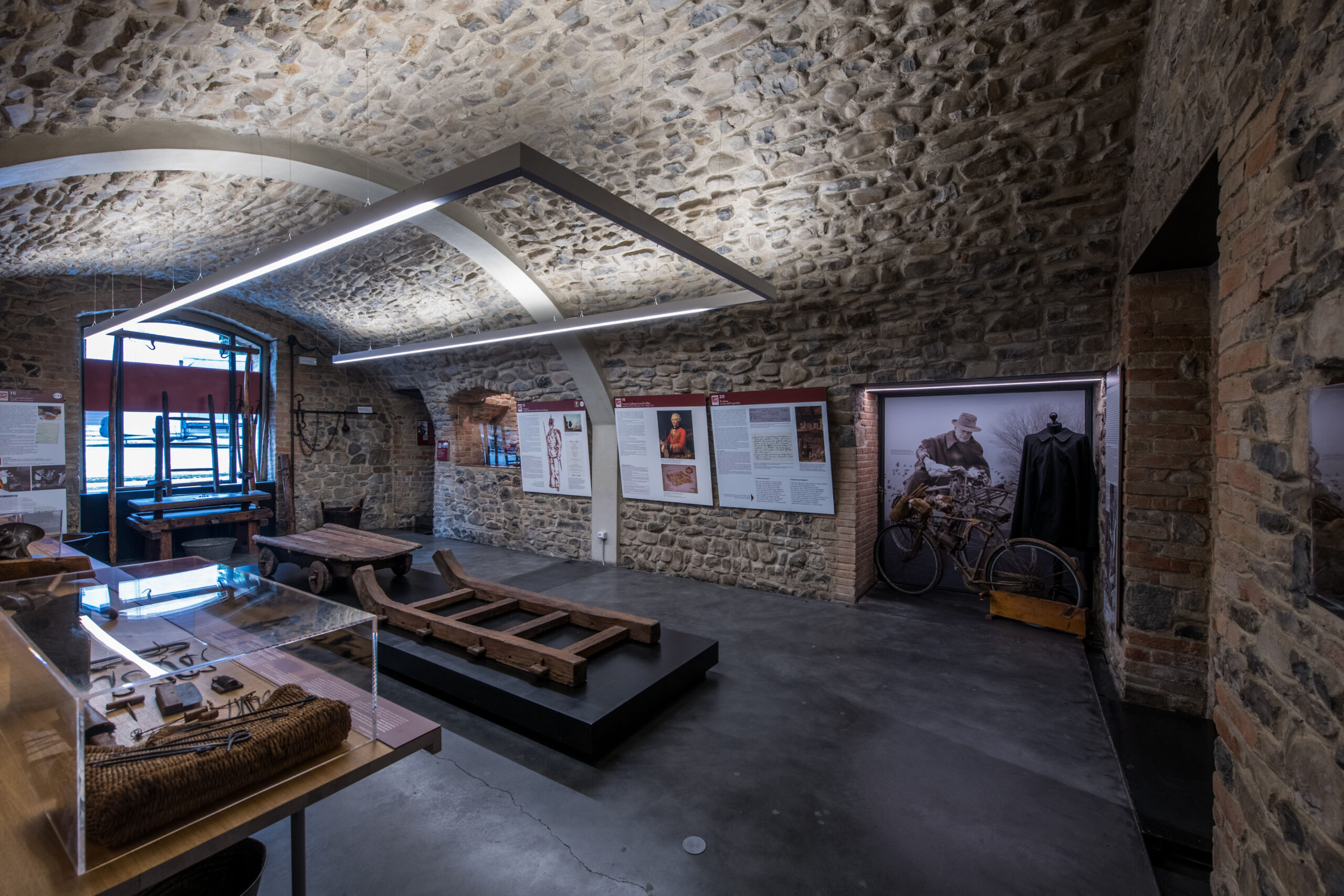
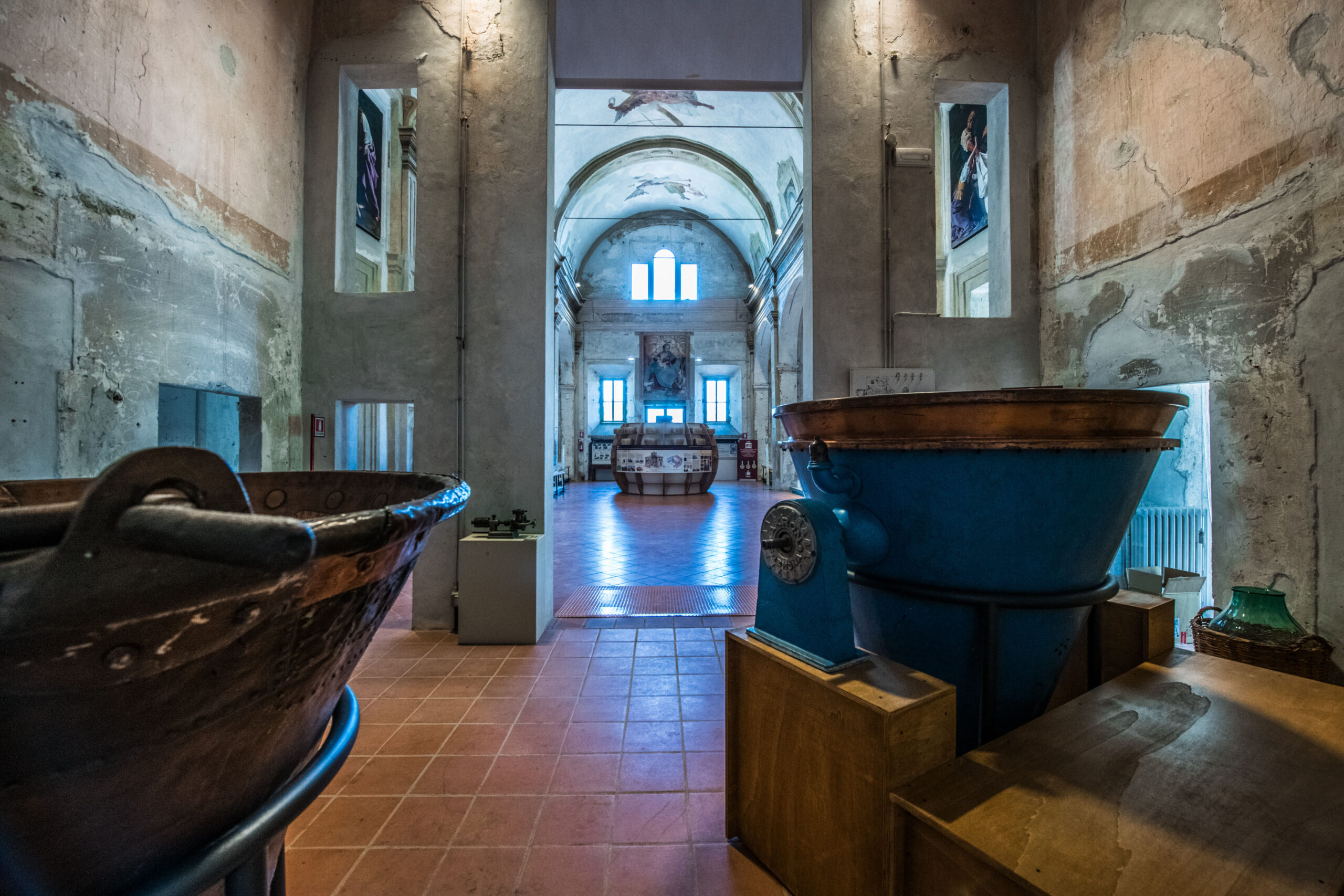
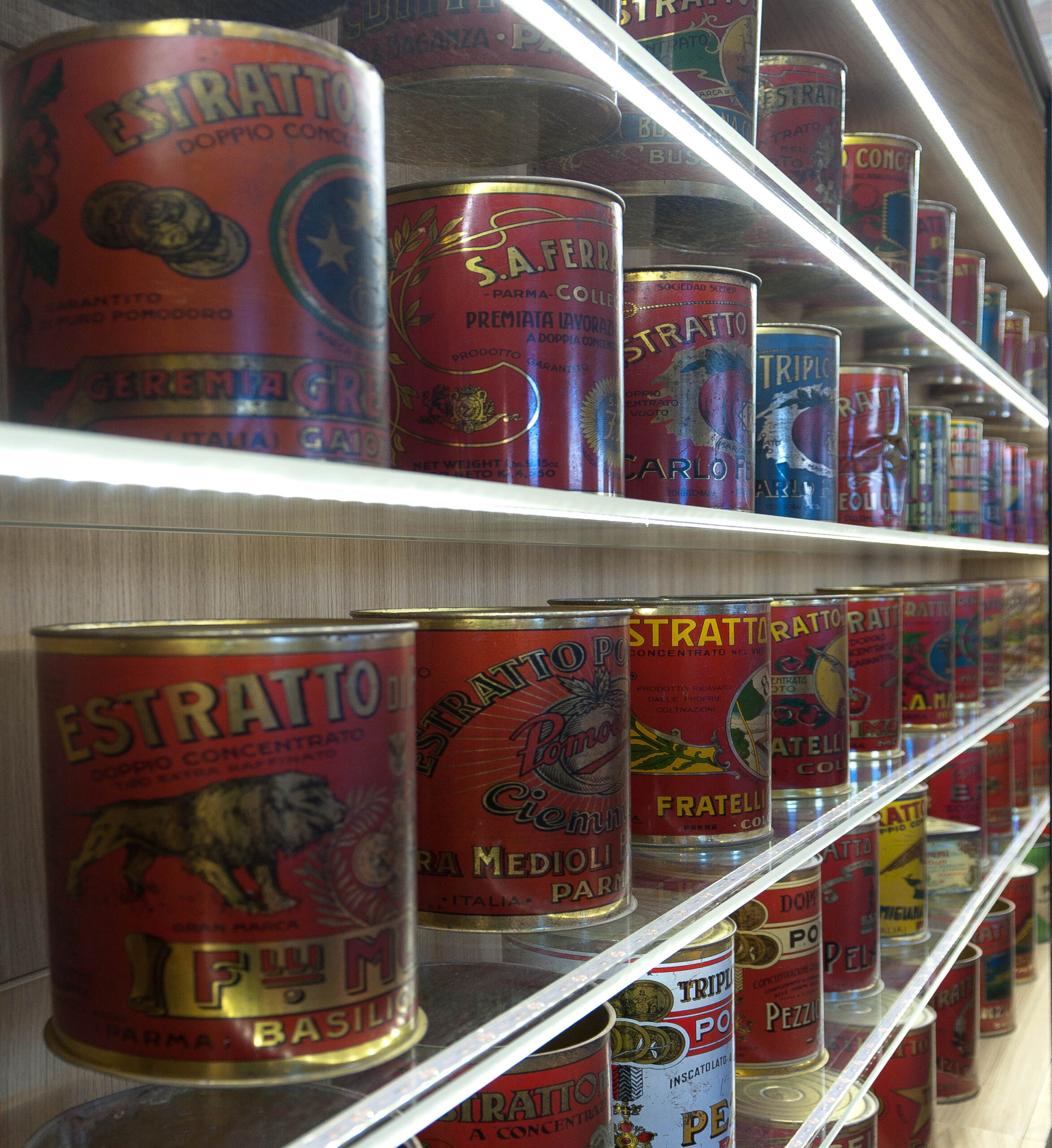
The itinerary begins in the Bassa Parmense, the low-lying plain close to the Po, where two museums establish the emotional register for everything that follows. The Museo del Culatello di Zibello is housed at the Antica Corte Pallavicina, a historic estate renowned for its extraordinary ageing cellars where the prized cured meat slowly develops its character. Nearby, the Museo del Parmigiano Reggiano occupies a former Cappuccine church in Fontevivo — a location chosen with deliberate symbolism, since it was Cistercian monks who, through the drainage and cultivation of this land, first produced what would become one of the world’s most imitated and least replicated cheeses. Moving south, the medieval agricultural complex of the Corte di Giarola, situated along the Taro river close to Collecchio within a regional river park, provides a single evocative setting for both the Museo della Pasta and the Museo del Pomodoro — a pairing that quietly underlines how much of Italian domestic cooking was shaped in this corner of Emilia.
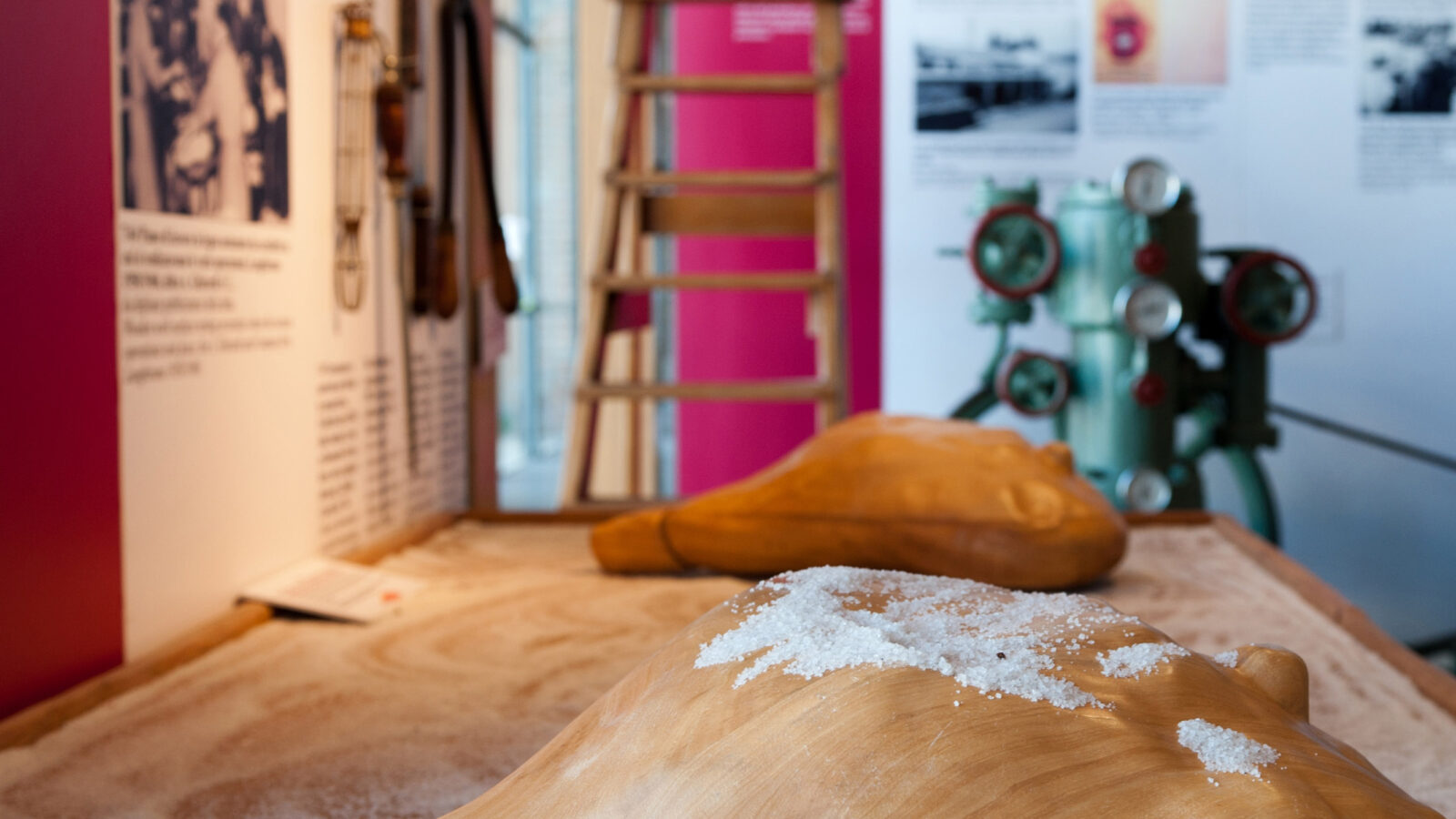
As the terrain rises towards the hills, the museums acquire a different architectural character. The Museo del Vino is set within the ancient cellars and a striking Farnese ice house at the Rocca di Sala Baganza, while the Museo del Salame di Felino unfolds inside a fourteenth-century agricultural estate. At the foot of the hills, in Langhirano — the principal production centre of Parma ham — the Museo del Prosciutto occupies a restructured former livestock market, the ex Foro Boario, grounding one of the world’s most globally recognised cured meats firmly in the geography that made it possible.
The network’s final chapter belongs to the Apennine forests. At Borgo Val di Taro, the Museo del Fungo Porcino celebrates the IGP-designated porcini that grow in these woodlands, its installation at the Museo delle Mura designed to evoke the atmosphere of the forest itself, with a second location in Albareto. Most unexpected of all is the underground museum of the Tartufo nero di Fragno in Calestano, in the Val Baganza — a subterranean space dedicated to a prized local black truffle found in terrain crossed by the Salti del Diavolo, a dramatic ridge of Jurassic sandstone pinnacles that also intersects the Via Francigena pilgrimage route to Rome.
For those exploring Parma itself, the city operates a Museo Diffuso del Gusto — a free, open-air route through the historic centre, navigated via QR codes and signposted totems that draw attention to the traces of food culture embedded in the urban fabric: medieval street names, Romanesque carvings, Mannerist frescoes, decorative silverware. Maps are available from the IAT tourist office. Further information on all ten museums can be found at www.museidelcibo.it.