The Discipline of Going Slowly
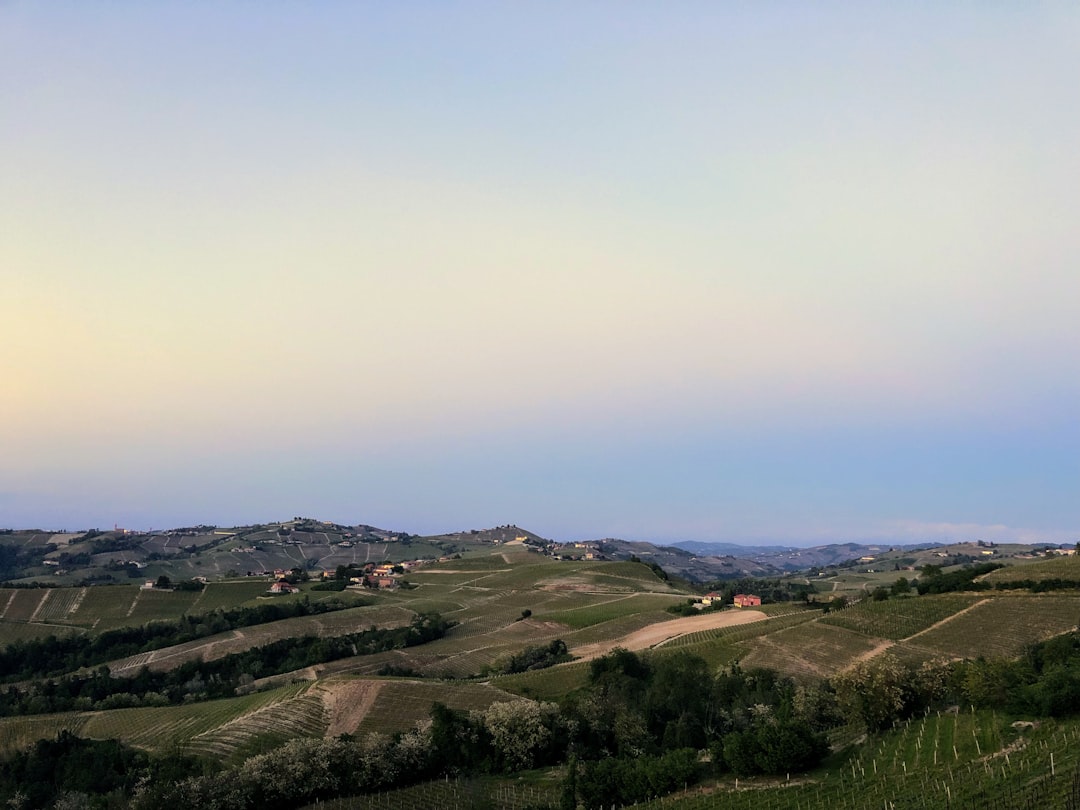
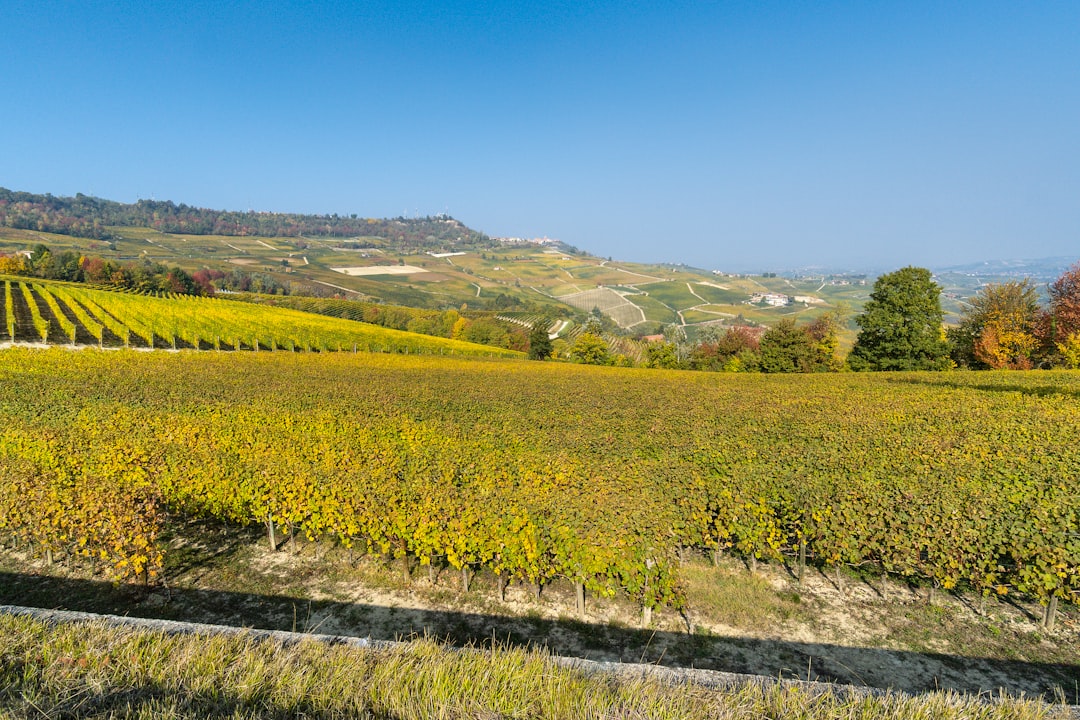
The Langhe — the rolling hill country of southern Piedmont, south of Alba and north of the Maritime Alps — is one of the most intensively cultivated wine landscapes in Europe, and one of the most navigated. The road that connects the wine villages — Barolo, Castiglione Falletto, Serralunga, La Morra, Verduno — is narrow, winding, and in the summer months congested with the wine tourism that has made the Langhe one of the most visited wine regions in the world. The experience of driving through it in July is not the experience of the landscape; it is the experience of other people’s cars.
The gravel bike has changed this. The network of unmade roads — the strade bianche and the vicinali that connect farm to farm, vineyard to vineyard, through the micro-geography of the Langhe hills — is inaccessible to most motor traffic but entirely appropriate for the wider-tyred bicycle capable of both road and light off-road surfaces. Riding these roads rather than the tarmac routes that parallel them is the experience of a different Langhe: slower, quieter, closer to the vineyard rather than the wine tourism infrastructure, and physically demanding in a way that produces the specific satisfaction of landscape earned rather than consumed.
The Gravel Roads of the Langhe
The strade bianche of the Langhe — white roads in the literal sense, the pale limestone gravel that is the traditional surface of Piedmontese agricultural tracks — are typically between three and five metres wide, bounded on one or both sides by the vine rows that are the primary reason for their existence, and maintained by the farms they serve rather than by any public authority. Their condition varies: the roads connecting actively cultivated vineyards to the main roads are generally in good condition; the roads crossing abandoned or marginally cultivated land may be rougher.
The gradient is the defining characteristic of Langhe gravel cycling. The hills are not extreme — the highest points of the Langhe are below 700 metres — but they are relentless: in a circuit of fifty kilometres through the classic wine villages, there is almost no flat terrain. The climbs are short and steep rather than long and grinding, which is a different kind of demanding: the legs have no time to find a rhythm before the next descent, and the descents on unpaved surfaces require a level of attention that paved descents do not. The result is a ride that is fully absorbing in a physical sense that the tourist iteration of the same landscape, conducted from a car window, is not.
What You Observe from the Saddle
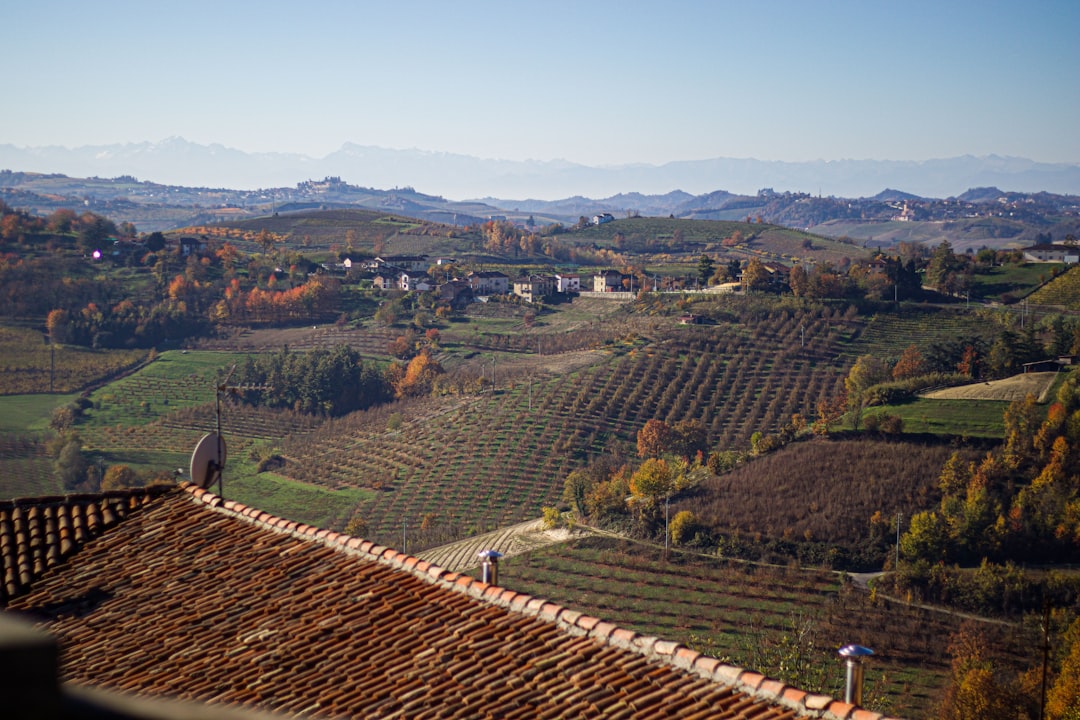
The vineyard in the Langhe, seen from a bicycle at the pace that a climb imposes, reveals details that the car window and the walking tour do not. The training system — the Guyot method that has largely replaced the older Piedmontese systems — is visible in the geometry of the canes along the wire; the varietal differences between Nebbiolo and Barbera and Dolcetto are legible in the leaf shape and the cluster structure in the weeks before harvest; the soil differences between the white Elveziano marls that favour Barolo and the darker Helvetian soils that produce Barbaresco are visible in the colour and texture of the exposed soil on the road’s edge.
None of this requires any particular wine knowledge to observe, but the observation will make the subsequent tasting — in whichever of the region’s cantinas you choose to stop at — a different experience. The wine that you tasted on the terrace after driving up the hill from Alba and the wine that you tasted after cycling through the vineyard that produced it are not the same wine, even if they are the same wine.
The Villages
The villages of the Langhe — Barolo with its castle, La Morra on its ridge above the valley, Castiglione Falletto with its compact medieval centre — are best encountered in the early morning or the late afternoon, when the day-tripping wine tourism has not yet arrived or has already departed. The cyclist who reaches one of these villages at seven in the morning, before the cantinas have opened and before the coaches have turned off the autostrada, finds a place that is still primarily for the people who live and work in it: the coffee at the bar, the exchange between the winemaker and the farm equipment supplier in the square, the elderly woman crossing the cobblestones with her shopping.
These moments are not performances of rural Piedmont; they are rural Piedmont. The distinction matters because the wine tourism infrastructure of the Langhe is sophisticated enough to have created, in some of its manifestations, a version of the region oriented entirely toward the visitor’s experience and with less connection to the agricultural reality than the architectural container suggests. The gravel road cyclist encounters the agricultural reality — because the road is the farm infrastructure, and the people using it are the people who work on it — in a way that the official visitor route does not always provide.
The Hazelnut Landscape
The Langhe is not only Nebbiolo. The hazelnut — the Tonda Gentile delle Langhe, the variety whose particular flavour has made it the preferred ingredient of the Italian confectionery industry since the nineteenth century — covers significant areas of the hills that the vine does not dominate, and the hazelnut harvest in September and October adds a dimension to the autumn Langhe that the wine harvest alone does not account for. The hazelnut orchard has a different geometry from the vineyard — lower, rounder, with a ground cover of rough grass rather than the bare earth that the vine rows expose — and it provides a different quality of shade and silence on the gravel roads that run through it.
The relationship between the hazelnut and the Langhe wine economy is closer than it might appear: both require the specific micro-climatic conditions of the Langhe hills, both have been cultivated in the same landscape for centuries, and both have generated quality premiums that sustain the small-scale family operations that are the social fabric of the region. The gianduia chocolate that combines the hazelnut with the cocoa that Turin’s trade networks made available in the eighteenth century is the most internationally recognised expression of this relationship — explored in more detail in our guide to Turin’s café culture, where gianduia arrives beside the espresso cup as standard, but the local pastry shops serving the nocciolini di Chivasso — the small biscuits made from the local hazelnut — represent a dimension of the same tradition that the international market has not yet absorbed.
Practical Matters
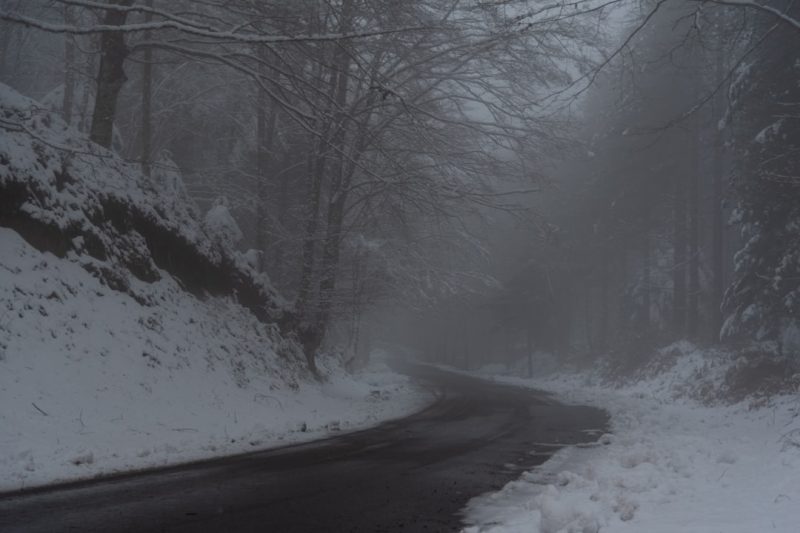
The Langhe is well-served with gravel cycling routes of varying lengths and difficulty levels, and the local cycling tourism organisations have produced good documentation of the main circuits. The best season for gravel cycling here is spring — April and May, when the vine shoots are emerging and the landscape is at its most actively agricultural — and early autumn, when the harvest is underway and the roads through the vineyards are at their most animated. The summer months are hot and, particularly in July and August, crowded; the winter months are quiet and often beautiful in the specific way of dormant vine landscapes under frost or low cloud, but the road surfaces may be treacherous.
The accommodation infrastructure of the Langhe is extensive and, at its better end, excellent: the agriturismo and the small hotel that have developed alongside the wine tourism economy offer a quality of hospitality that the volume of visitors has made commercially viable. The practical advice is to book early for the harvest period — late September and October — when accommodation is at a premium, and to arrive on a bicycle at any other time of year with the confidence that space will be found. The gravel cycling approach to discovering a wine region is also being developed around the Collio hills in Friuli, where the Ponca ridge roads offer a comparable intensity of viticulture without the crowds the Langhe carries in high season.