In the shadow of Bernini’s angels, a family-run restaurant near the Trevi Fountain has been quietly sustaining the culinary soul of the capital for over a hundred years.
Between Piazza di Spagna and the Trevi Fountain, in the photogenic heart of Rione Colonna, Sant’Andrea occupies a particular kind of permanence. The restaurant was already appearing in guidebooks in the 1920s, long before the Contini family took over its running in the 1940s — a third generation now carries the tradition forward. Its name comes from the nearby Baroque basilica of Sant’Andrea delle Fratte, whose lantern and Bernini’s celebrated angels have long served as the restaurant’s quiet emblems, watching over this corner of the city with the same constancy as the kitchen itself.
The building holds decades of Roman life within its walls. During the war years, it offered humble sustenance when bread was scarce. Through the 1950s, when the surrounding streets were still filled with workshops and local families, it became a genuine gathering place. By the 1980s and 1990s, it had evolved into something of an informal political salon — conversations conducted over the table that could not take place in the palaces of power nearby. Few restaurants can claim a biography this layered, and fewer still have allowed that biography to remain legible in the atmosphere of the room.
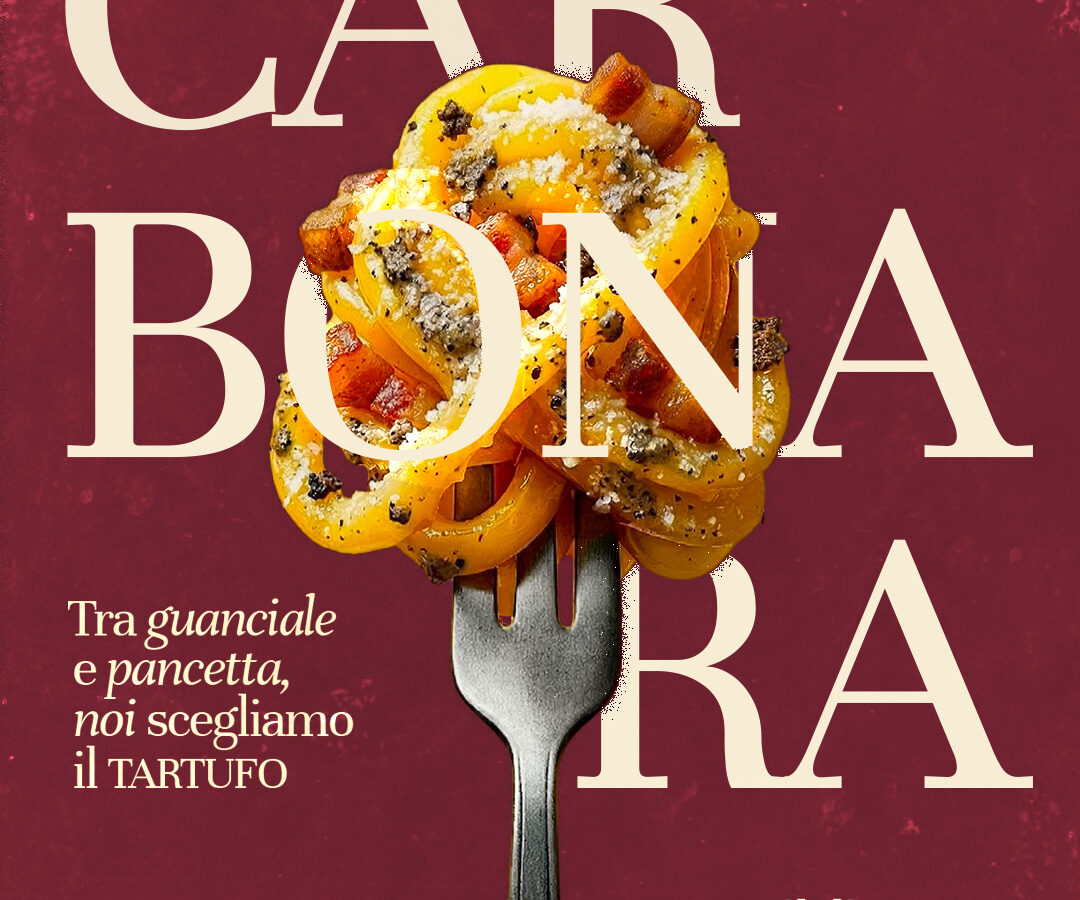
What has anchored the restaurant through each of these chapters is the kitchen. The menu draws from the great classics of Roman tradition: tripe, ossobuco, saltimbocca, and the canonical pasta preparations — amatriciana, cacio e pepe, carbonara — including a truffle version of the latter that has become a signature among regular guests. Fresh pasta is made in-house each day: fettuccine, ravioli and gnocchi sit alongside daily fresh fish, while desserts remain simple and house-made. This is a kitchen with a clear sense of what it is and no desire to be anything else.
The sourcing reflects equal deliberateness. Local vegetables and meats, 36-month Parmigiano Reggiano produced from the milk of Red Cows, and cold-pressed Olio di Roma IGP are among the ingredients the restaurant presents with evident care — products chosen not merely for quality but as expressions of a specific place and approach. In an area of Rome where dining decisions are often made impulsively, and where menus can blur into indistinction, this kind of quiet insistence on provenance carries genuine weight.
The bright dining room overlooking the basilica, the wooden tables, the unpretentious hospitality — none of it has been engineered for effect. In one of the most visited corridors in Europe, Sant’Andrea offers something considerably harder to manufacture than a striking interior: the unaffected rhythm of a restaurant that has simply continued, through war and politics and decades of shifting taste, to feed people well. That continuity, running from the 1920s to the present day under the same roof and the same name, is itself the most telling entry on the menu.