Most travellers arriving on the Ligurian coast follow the same logic: Vernazza for the pastel houses, Manarola for the vineyard photographs, Monterosso for the beach. The Cinque Terre is spectacular and they are not wrong. But the real Liguria — the one locals have been quietly living in for centuries — lies a few kilometres inland, where terraced hillsides hold olive groves and chestnut forests, where ancient mule tracks connect hamlets that no tour bus has ever troubled, and where the air smells of woodsmoke and rosemary rather than sunscreen.
Zuccarello: A Forgotten Capital
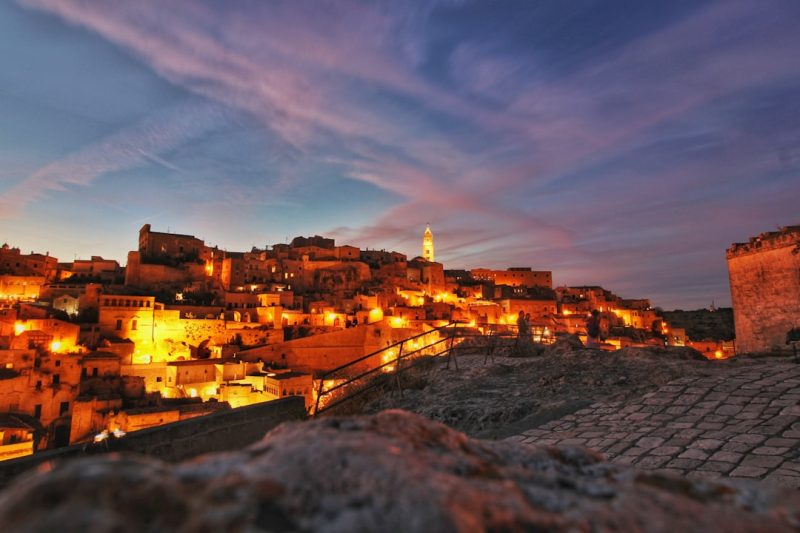
Zuccarello is perhaps the finest argument for coming this way. Strung along a single vaulted street above the Neva river, this tiny medieval borgo was once the capital of a small but fiercely independent marquisate. Fewer than two hundred people live here now. They tend kitchen gardens behind the ancient walls, press oil from trees that were old when Napoleon passed through, and keep alive a social life centred on the Romanesque church whose bell marks the hours with a tone so particular, so dense and unhurried, that it seems to belong to a different register of time than the coastal world below.
Triora: The Village of Witches
North towards the Alta Via dei Monti Liguri, the long-distance trail that traces the ridge of the Apennines from Ventimiglia to Ceparana, you encounter Triora. In 1587 a series of witch trials condemned dozens of women here to prison and execution — the local museum documents this chapter without sensationalism, and it is worth an hour of anyone’s time. Triora is equally famous for its bread, baked in wood-fired ovens using a sourdough starter of uncertain antiquity, and for the views from its ruined castle across a dark sea of fir trees to the Alps on clear mornings in October and November.
Balestrino: An Abandoned World
For absolute solitude, the hamlet of Balestrino near Finale Ligure offers something extraordinary: an entirely abandoned village. Stone houses are being slowly reclaimed by fig trees and ivy; the church roof has opened to the sky. Fig roots have cracked the flagstones. The silence, on a weekday morning in autumn when no one else is here, is complete. Photographers have begun to find it. For now, it remains mercifully free of signage.
What to Eat in the Ligurian Interior
The gastronomy of the hinterland is a corrective to the tourist-oriented menus of the coast. In the small trattorie of Realdo, a mountain village near the French border, you will eat farinata di castagne — chestnut flour pancakes cooked on iron griddles — alongside braised rabbit in white wine, and pasta dressed with walnut sauce that predates the famous pesto Genovese by several centuries. The local wine, made from the native Rossese grape on dramatically steep terraces, is earthy, perfumed, and utterly unlike anything produced at sea level.
How to Get There
Reaching these villages requires a car with a willing engine and patience for narrow roads that hairpin upward without warning. Go also armed with the knowledge that the abandoned villages of the Ligurian hinterland reward the unhurried traveller more than almost anywhere else in northern Italy. The welcome you receive in Zuccarello or Triora is warm precisely because visitors are rare — and it is, in the end, a remarkable thing to arrive somewhere that is genuinely glad to see you.