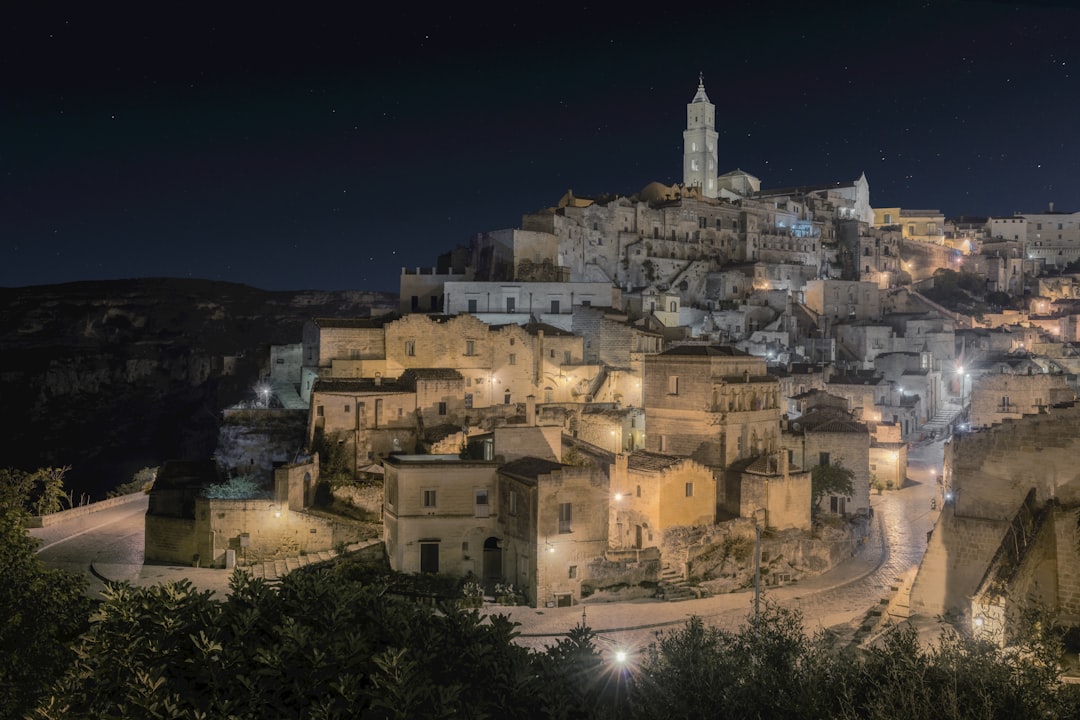
The Sassi di Matera were inhabited for nine thousand years before the Italian government evacuated their remaining fifteen thousand residents in the early 1950s. The decision, driven by the same postwar modernisation impulse that demolished medieval quarters across Italy, was designed to end what the government described as a national disgrace: the continued habitation of cave dwellings without running water or sewage in a country that considered itself a modern European state. Carlo Levi’s 1945 memoir Christ Stopped at Eboli had brought national attention to the poverty of the Basilicata interior; the Sassi became the symbol of that poverty and the target of its solution.
The emptied cave city deteriorated for decades. What followed was one of the more unusual reversals in Italian heritage history: the Sassi were inscribed as a UNESCO World Heritage Site in 1993 — the first in southern Italy — on the grounds that the settlement represented the world’s best surviving example of a troglodyte habitat continuously occupied from prehistoric times. The residents who had been removed from conditions described as a disgrace were replaced by tourists who paid significant sums to experience something functionally similar.
The Cave Hotels
The cave hotels of Matera began opening in the 1990s and proliferated rapidly through the 2000s after Matera was named European Capital of Culture for 2019. The conversions range from minimalist to elaborate: some retain the rough stone walls and low ceilings of the original dwelling, with contemporary furniture creating a deliberate contrast; others have been more thoroughly finished, with plaster over the stone and design elements that diminish the rawness of the original.
The best cave hotels preserve what makes the Sasso experience distinct. Sleeping in a room carved from living rock — the temperature a constant 15-18 degrees regardless of the outside air, the walls slightly curved and irregular in a way that no built construction replicates, the windows cutting through several metres of stone — is genuinely different from sleeping in any other kind of room. The silence is specific: stone does not transmit sound the way wood-framed construction does. The thickness of the walls creates an acoustic insulation that is noticed only when you realise you cannot hear the street outside.
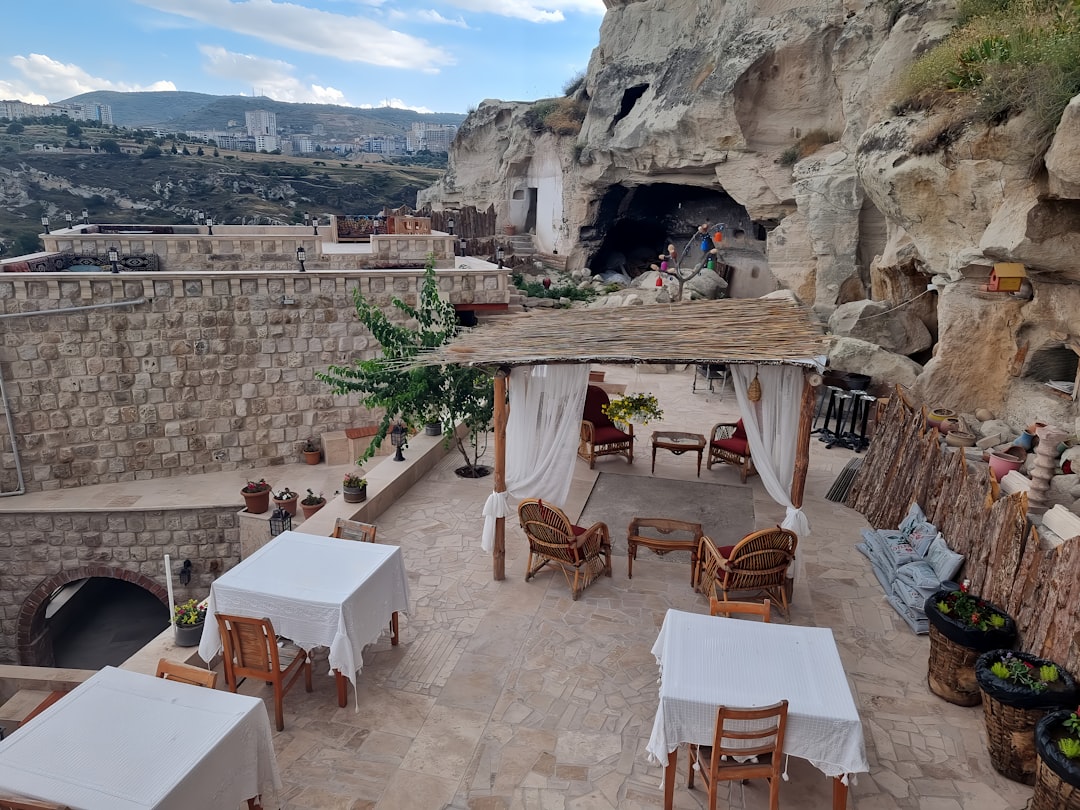
The best properties in the Sassi Caveoso and Sassi Barisano — the two main cave districts on either side of the Gravina ravine — have access to the rupestrian churches that are carved into the same rock faces as the dwellings. Some cave hotels incorporate sections of ancient cave fresco, sealed behind glass, into the guest rooms. Others have swimming pools and spa facilities cut into the rock adjacent to the guest areas. The juxtaposition is odd and occasionally jarring, but it is also part of the experience: nine thousand years of continuous use means that the Sassi have always accommodated whatever the current inhabitants needed from them.
Practical Considerations
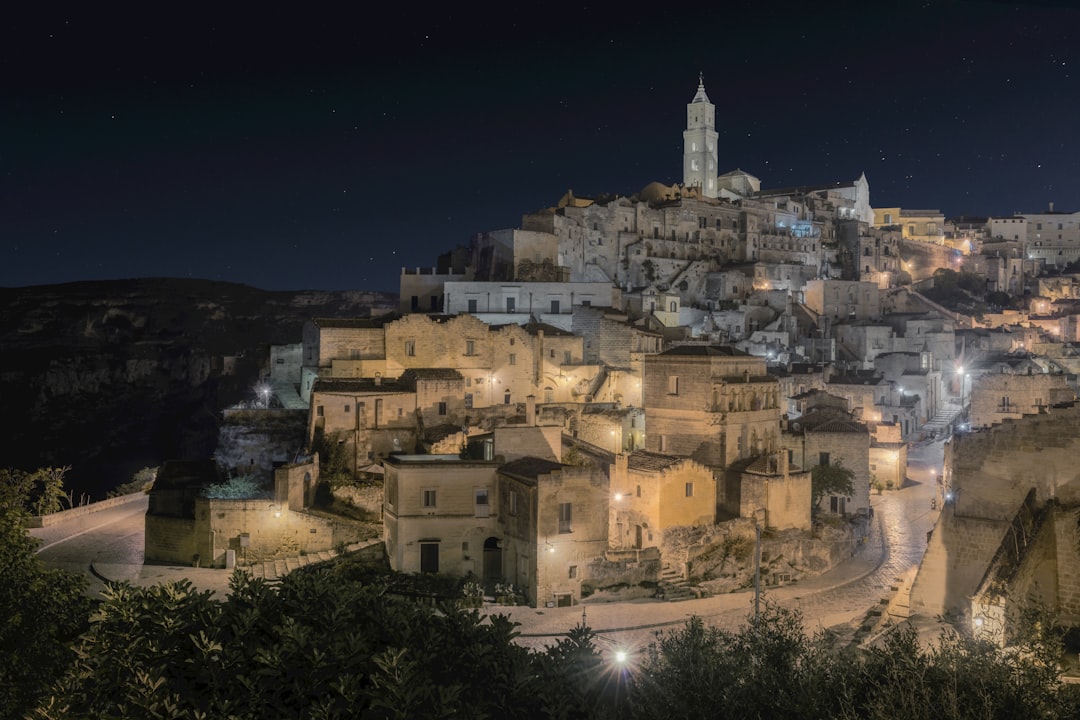
Cave hotels are cool in summer — a genuine advantage in Basilicata’s July and August heat — and cool in winter, which requires heating systems that the original dwellings did not need. The narrow streets of the Sassi are not accessible by car; luggage must be carried from the nearest parking point, which can involve a significant walk on uneven stone paving. The views from the Sassi, across the Gravina ravine to the cave churches of the opposite cliff face, are among the most dramatic available from any Italian hotel window. Dinner on a cave restaurant terrace as the lights come on across the ravine in the evening is one of those experiences that travel journalism reaches for the most loaded vocabulary to describe. It is better just to be there.
Photo: Marco Grosso on Unsplash