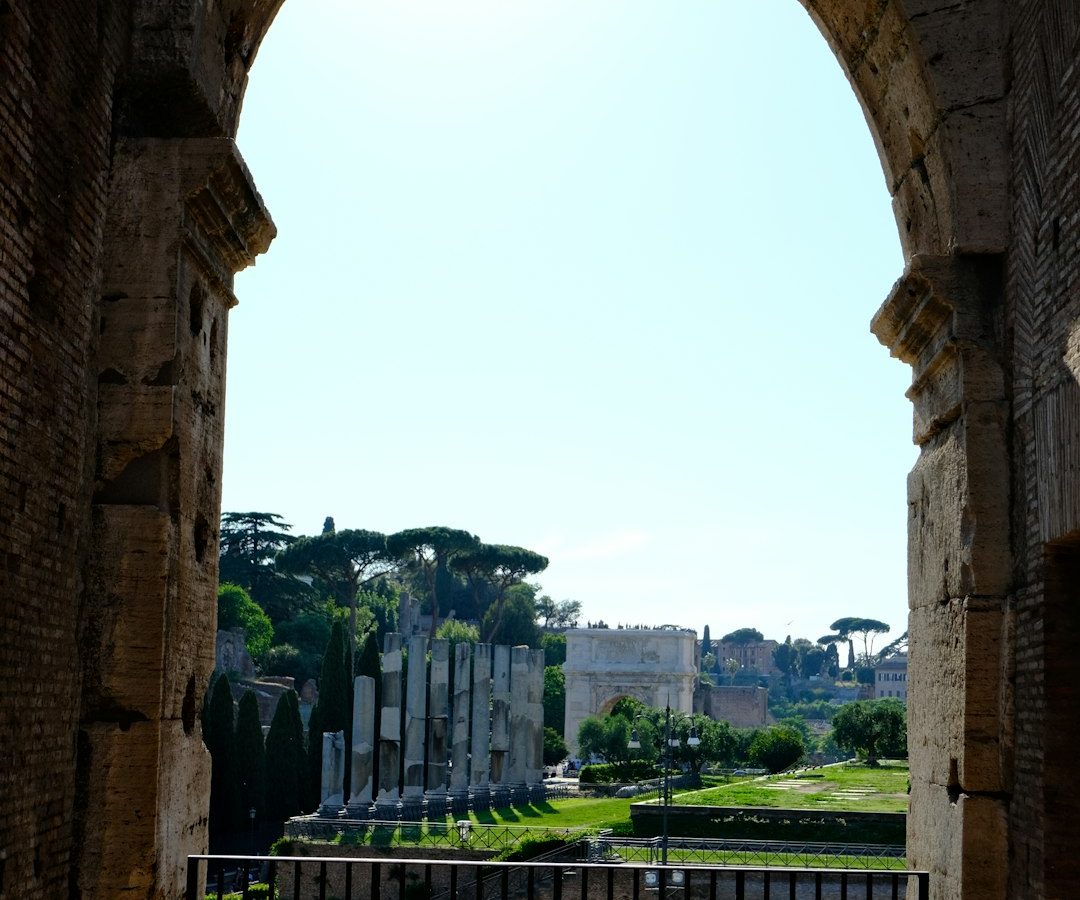
Rome is an extraordinary day trip destination for anyone staying elsewhere in central Italy — not because Rome is inadequate for a longer stay (it is among the richest cities in Europe for extended exploration), but because the high-speed train and the efficient public transport within the city make it possible to leave Florence, Orvieto, or Naples in the morning, spend a full working day in Rome, and return in the evening in a way that was impractical before the high-speed network. For the visitor based in central Italy who has already spent time in Rome and wants to revisit specific sites, or for those passing through who want to extract maximum value from a short time in the capital, the day trip format is a legitimate and rewarding approach to a city that resists summarising.
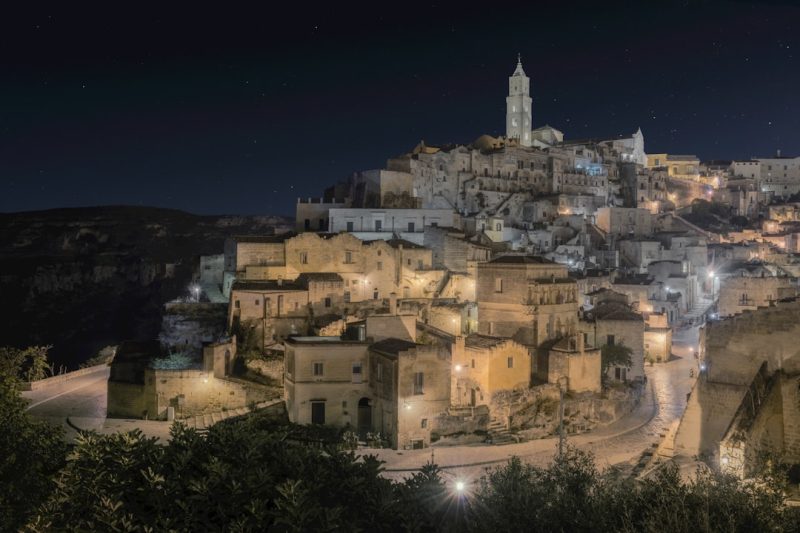
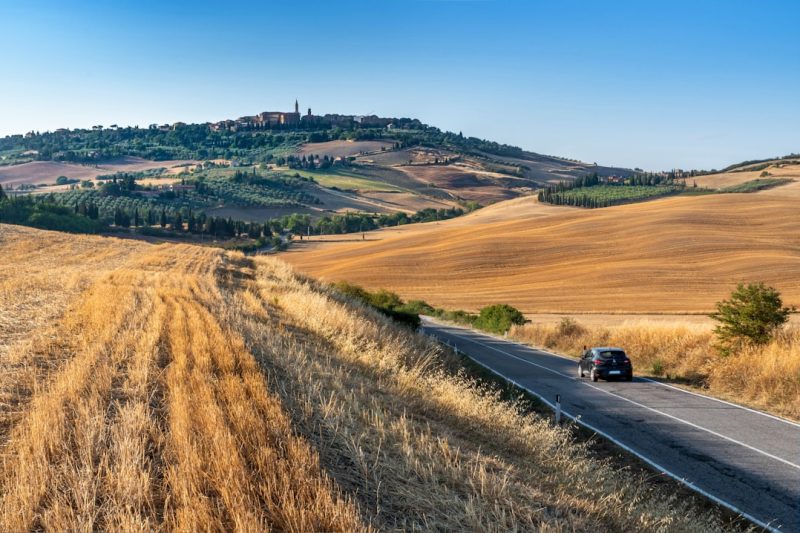
But the more interesting question is what Rome offers as a base for day trips to the surrounding Lazio region — a region that is, for most visitors, entirely invisible in the shadow of the capital. Lazio contains some of the most extraordinary landscapes, ancient sites, and medieval hill towns in Italy, all within ninety minutes of Rome by train or car, and almost none of it receives the attention that its quality deserves. The day trip from Rome — to the Castelli Romani, to the Etruscan coastal cities, to the volcanic lakes of the northern interior, to the Ciociaria hill towns of the southeast — is the logical way to extend a Rome visit into the surrounding region and to encounter the Lazio that the Rome-focused guidebook does not describe.
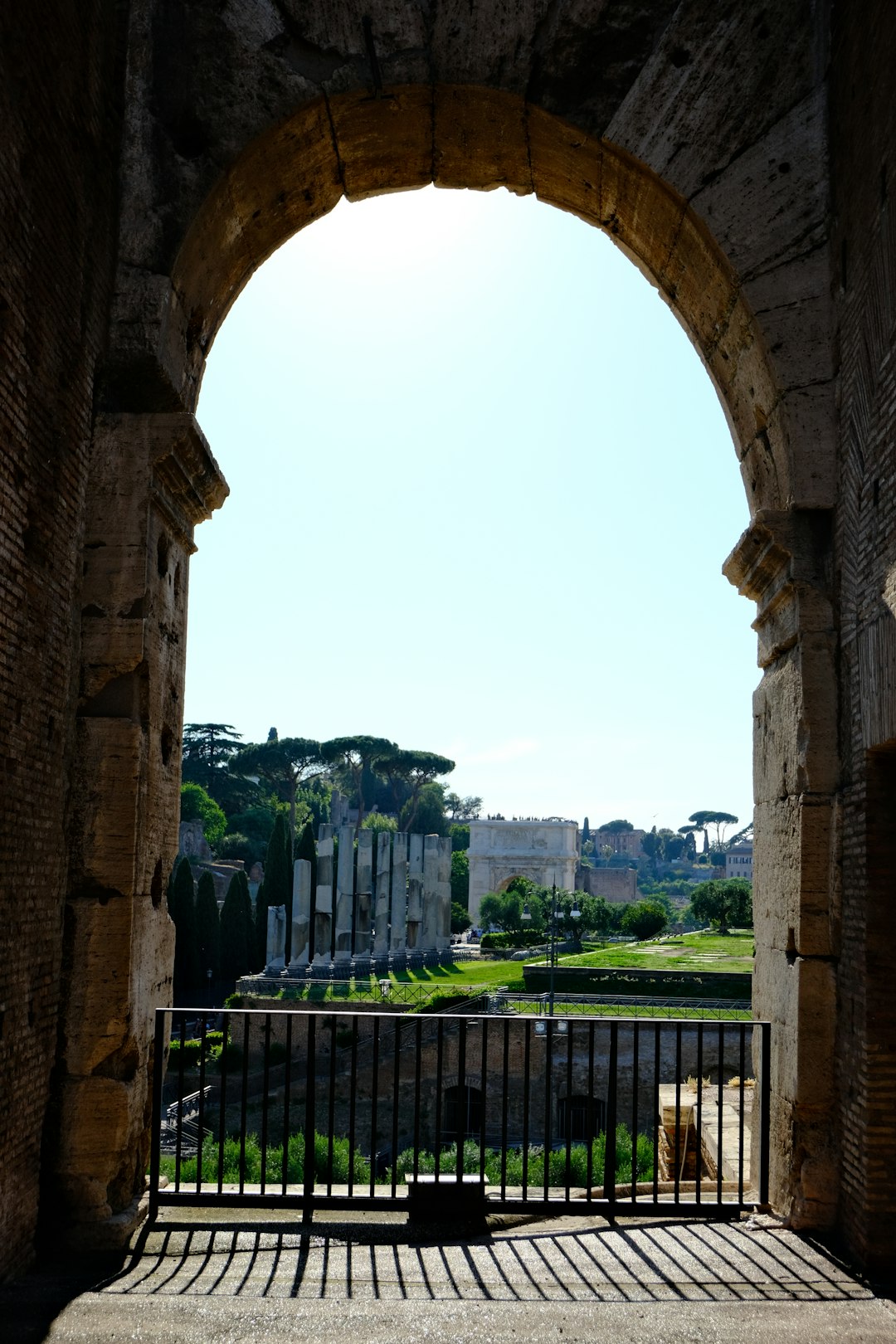
Ostia Antica: Rome’s Forgotten Port
Ostia Antica — the ancient port city of Rome, at the mouth of the Tiber thirty kilometres from the city centre — is the most accessible and undervisited major archaeological site in the Italian capital’s vicinity. Unlike Pompeii, which was buried by volcanic ash and preserved in three dimensions, Ostia declined gradually and was stripped of its valuable materials over centuries before being abandoned; what remains is a city plan of extraordinary completeness, with streets, shops, apartment buildings (insulae), temples, warehouses, and public buildings visible to ground level. The archaeology of Ostia is, for the visitor who takes the time to walk the full site, more revealing of Roman urban life than Pompeii in some respects: it shows the commercial and working city rather than the resort town.
The site is reachable from Rome on the Metro B line to Laurentina, then the Roma-Lido railway to the Ostia Antica station — a total journey of approximately forty-five minutes from central Rome, with a single ticket and no change required. The site entrance is a short walk from the station; the admission price is reasonable, and the crowds, even in high season, are a fraction of what the major Rome sites attract. A morning at Ostia Antica — four to five hours to cover the principal areas — leaves time for lunch at the site café or in the nearby borgo (the medieval village adjacent to the archaeological site) and a return to Rome in the early afternoon.
The Castelli Romani: The Roman Hills
The Castelli Romani — the fourteen hill towns of the Alban Hills southeast of Rome, built on the slopes and rims of the ancient volcanic craters that form the landscape of the area — are the traditional Roman escape from the summer heat of the city. The towns are connected to Rome by the metro and suburban railway from Termini (the Frascati line and the Albano-Velletri line) and by frequent bus services, making them accessible as half-day or full-day trips without a car. The landscape of the Castelli — the volcanic lakes (Lake Nemi, Lake Albano), the chestnut forests of the hillsides, the panoramic views back toward Rome and out toward the Tyrrhenian coast — is genuinely beautiful, and the specific quality of the hill town atmosphere (the narrower streets, the cooler air, the local market that still serves the resident population rather than the tourist) is different from the city in ways that the visitor who has been in Rome for several days will feel immediately.
Frascati is the closest and most visited of the Castelli towns and gives its name to the white wine (Frascati DOC) that is the traditional Roman wine for outdoor dining; the cantinas and wine shops of Frascati sell the wine direct from the producer at prices that the Rome restaurants cannot match. Castel Gandolfo, on the rim of the Albano crater lake, is the location of the papal summer residence and its associated gardens (now open to visitors); the view from the town down to the lake, 400 metres below, is one of the finer panoramas within an hour of Rome. Nemi, a small town on the rim of the Nemi crater, is the centre of the wild strawberry cultivation of the Alban Hills — the fragoline di Nemi are sold at roadside stands throughout the area in May and June and are among the finest small strawberries in Italy.
Tivoli: Villas and Gardens
Tivoli — thirty kilometres east of Rome in the foothills of the Apennines — contains two of the most important historic gardens in Italy: the Villa d’Este, the 16th-century cardinal’s villa with its extraordinary terraced garden of fountains and water features, and Hadrian’s Villa (Villa Adriana), the vast imperial complex that the Emperor Hadrian built as an architectural anthology of the places he had visited in the empire, occupying an area larger than the ancient city of Pompeii. Both are UNESCO World Heritage Sites; neither receives the attention it deserves given their proximity to Rome.
The Villa d’Este’s garden — 500 fountains, a hundred basins, and a series of terraced water features that demonstrate the Renaissance engineering of water management at a scale that no other Italian garden matches — is best visited in the morning, before the tour groups arrive, when the light falls obliquely across the terraces and the sound of the fountains is the dominant sensory element. Hadrian’s Villa requires a full half-day to see adequately: the scale of the complex (18 buildings spread over 120 hectares) and the quality of the individual structures (the Maritime Theatre, the Canopus pool, the Piazza d’Oro, the Terme) repay careful attention, and the experience of walking through the remains of an imperial villa that was essentially a city in itself — with gardens, libraries, theatres, baths, accommodation blocks, and reception halls — provides an understanding of Roman imperial scale that no museum can replicate.
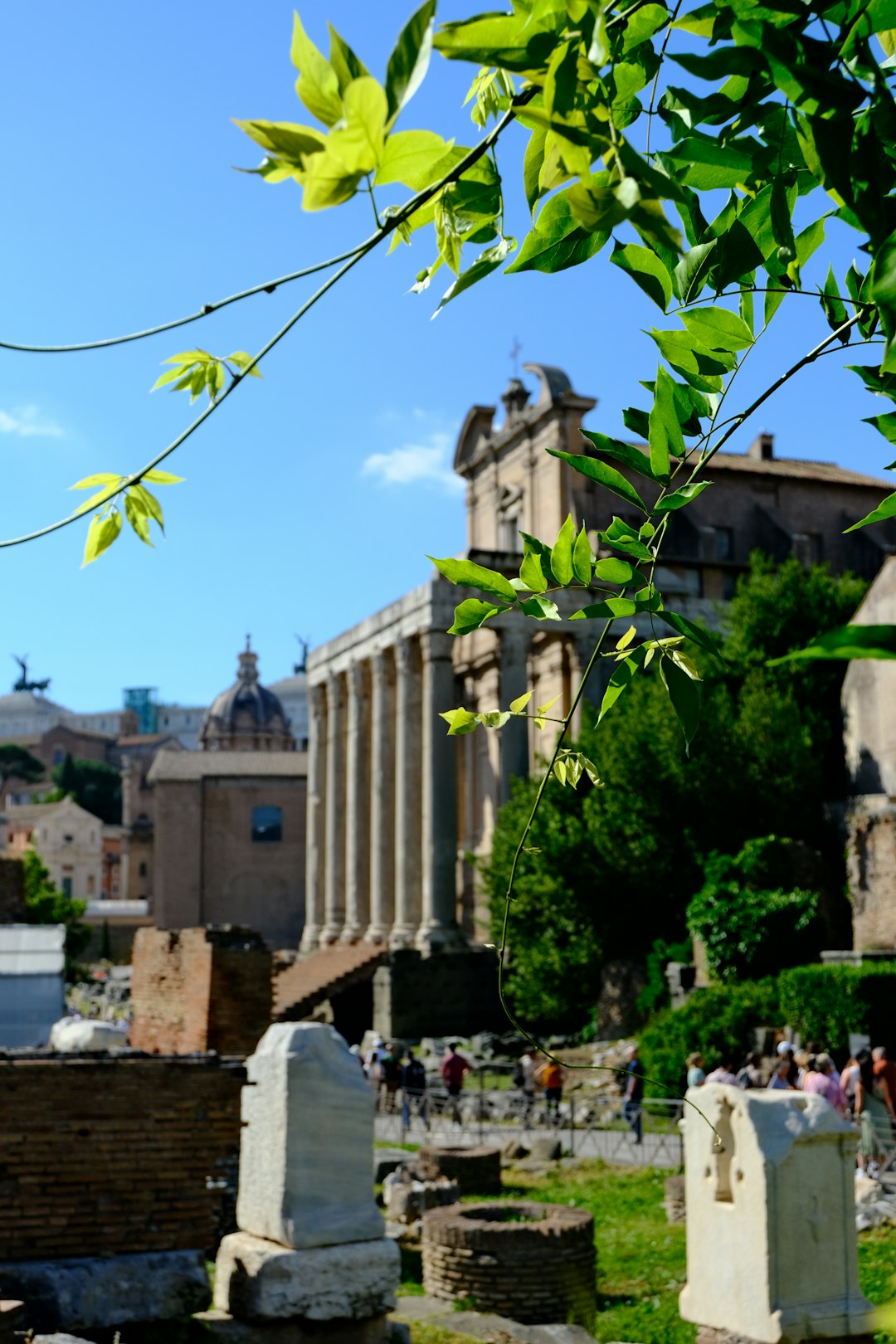
Civitavecchia and the Etruscan Coast
The Etruscan coast north of Rome — the stretch of Lazio coastline between Civitavecchia and the Tuscan border — is the part of central Italy most consistently overlooked by visitors to Rome and the least developed for tourism relative to its actual attractions. The coastal towns of Santa Marinella, Tarquinia Lido, and Montalto di Castro have long stretches of accessible beach and a quality of light and landscape that the Tuscan Maremma coast to the north shares; inland, the Etruscan towns of Tarquinia and Cerveteri contain the most important Etruscan necropolises in Italy.
Tarquinia’s painted tomb chambers — the Tomba dei Leopardi, the Tomba della Caccia e della Pesca, the Tomba dell’Orco — are among the finest examples of Etruscan painting in existence, their vivid imagery of feasting, hunting, music, and the afterlife preserved in the controlled atmosphere of the rock-cut chambers for two and a half millennia. The Tarquinia National Museum, in the 15th-century Palazzo Vitelleschi in the medieval hill town above the necropolis, houses the artifacts from the tombs including the extraordinary Winged Horses terracotta relief that is among the masterpieces of ancient Italian art. Cerveteri’s Necropolis of Banditaccia — a UNESCO site — covers 400 hectares of circular burial mounds (tumuli) and rock-cut tomb chambers that create, in the most celebrated section, a complete underground city of the Etruscan dead. The site is vast and largely un-touristed; arriving with a map and the intention to walk the secondary paths leads to discoveries that the standard tour route does not cover.
Planning the Day Trip from Rome
The practical logistics of the Rome day trip vary by destination. Ostia Antica and the Castelli Romani are reachable by public transport without difficulty; Tivoli is reachable by bus from Tiburtina (a straightforward journey of about an hour); the Etruscan coast and inland sites require either a rental car or a organised tour. The high-speed rail connections from Roma Termini make Florence (ninety minutes), Naples (seventy-five minutes), and Orvieto (forty minutes) viable as day trips in the other direction — destinations that have such density of interest that a day is inadequate but that can be visited for a specific purpose (the Bargello in Florence, the Pompeii excavations from Naples, the orvietan underground caves and the cathedral façade) in the time available.
The day trip from Rome is best planned around a single main attraction and one secondary element, rather than a list of sites to check off. The Ostia Antica visit plus lunch in the Ostia borgo; the Tivoli villa gardens plus a late afternoon coffee in the hill town; the Tarquinia necropolis plus the museum and dinner in the medieval town — these are pairings that give the day a narrative and a rhythm. The list-of-sights approach — five destinations, seven hours, no time to sit down — produces exhaustion rather than experience, and it is the opposite of how the Romans themselves approach the day trip from their own city: with a specific intention, a comfortable pace, and the understanding that one thing seen with attention is worth more than five things glimpsed in passing.